Are You Up To The Task?
If you're a big animal lover, we wouldn't be surprised if you have, or currently are, considering becoming a veterinarian. Do you really know what it takes, though? Being a veterinarian is rewarding, but also challenging and full of surprises. It’s a career that mixes science, empathy, and a fair amount of problem-solving. So if you’ve ever wondered what it takes to be good at the job, here are five key skills every great vet needs.

1. Genuine Love for Animals
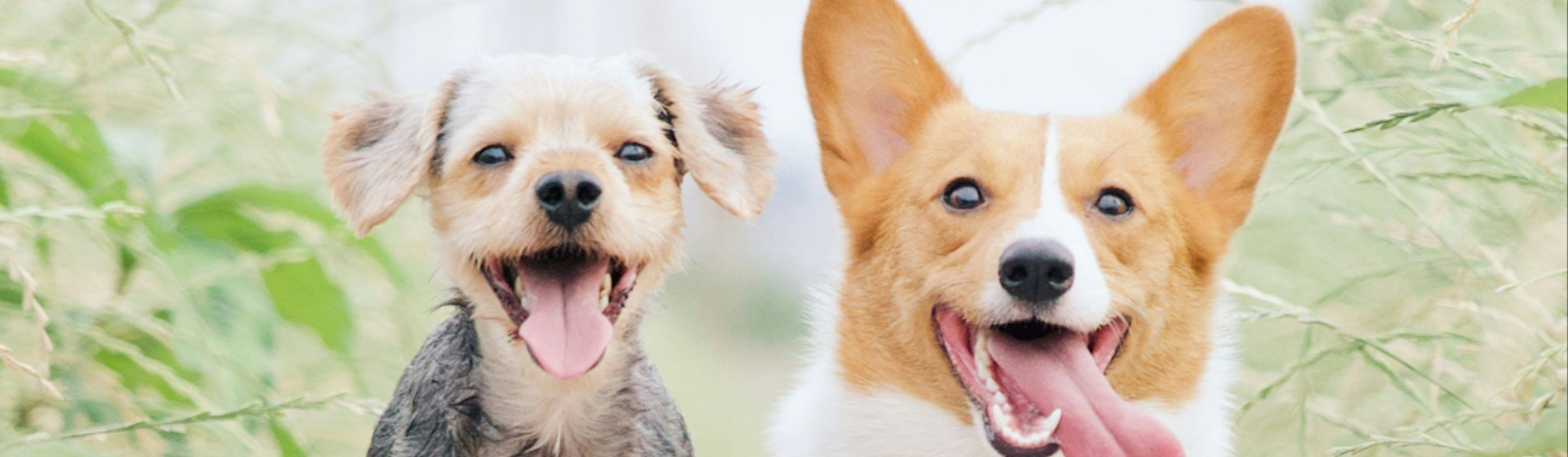
This one may seem obvious, but it matters. In fact, it's what makes the work feel all the more meaningful! Vets work with animals of all sizes, temperaments, and energy levels, which means a real affection for animals helps build trust and makes daily care feel purposeful. If you love what you do, you'll be better at it.
2. Strong Communication Skills
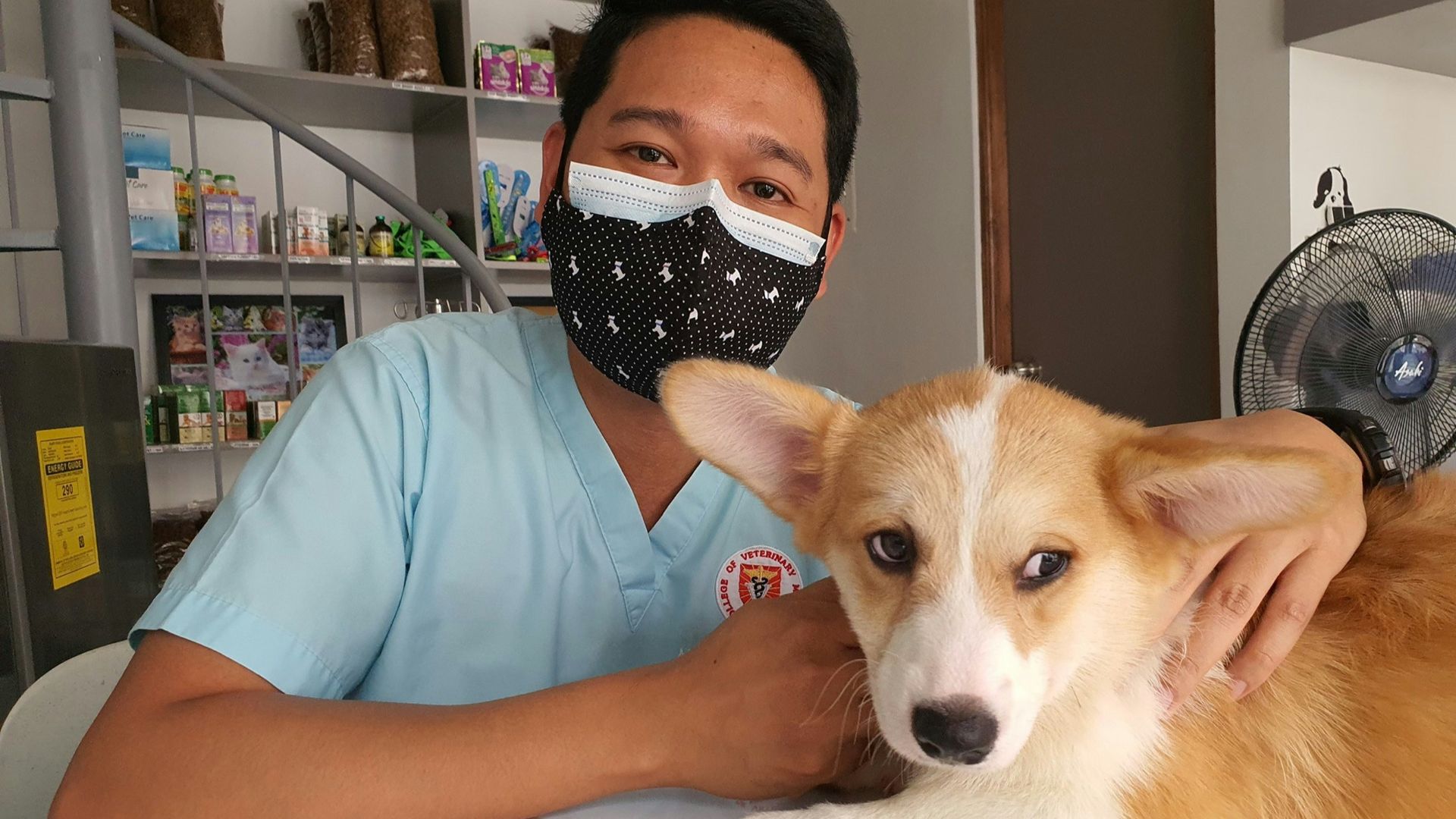
Despite what you think, vets don’t just treat animals, they also work closely with people. Customer service is part of the job! Explaining diagnoses, treatment options, and care instructions clearly and kindly is essential, especially when owners are stressed or worried. Good communication also helps owners feel confident about the decisions they’re making.
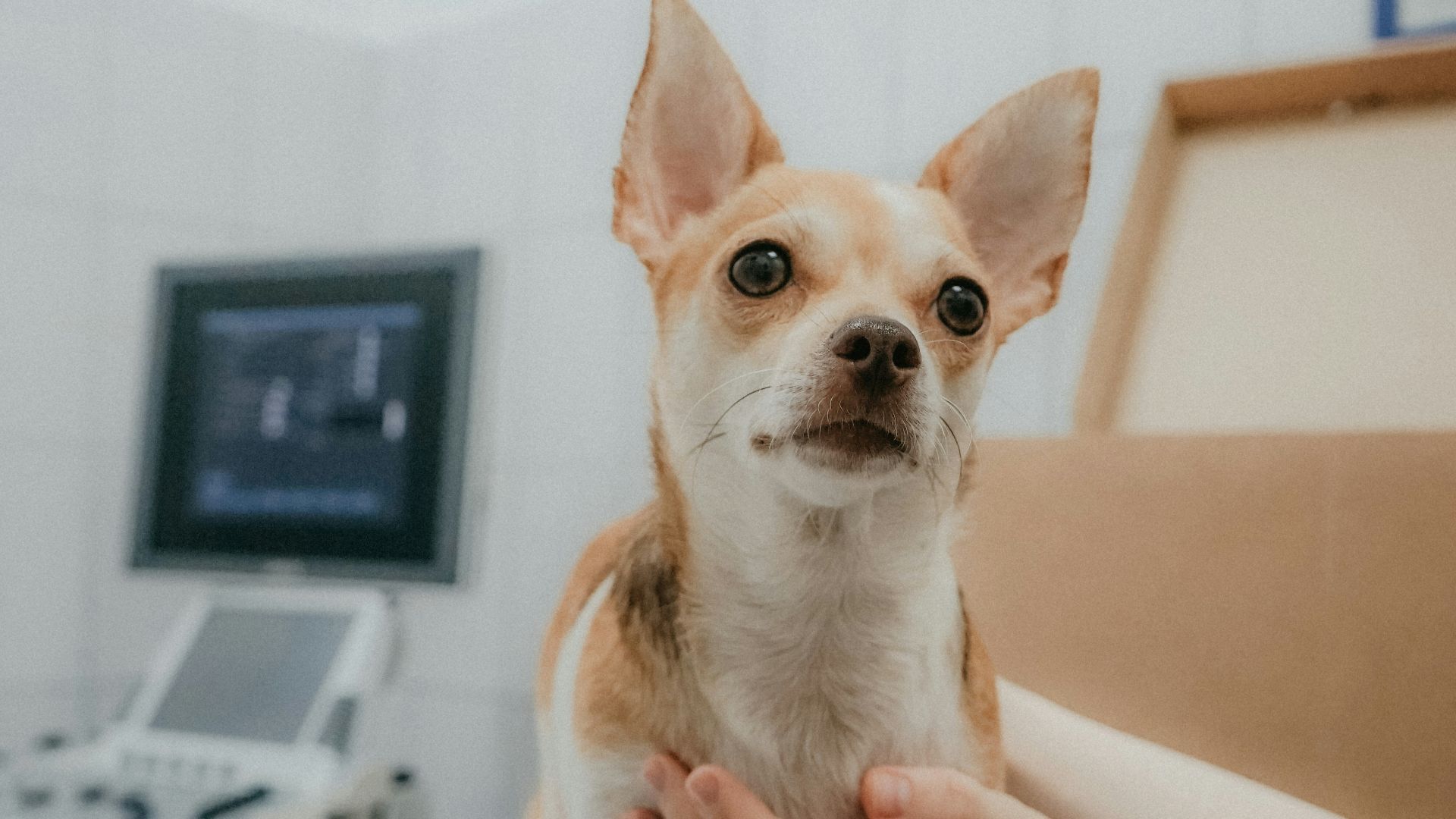
3. Patience Under Pressure
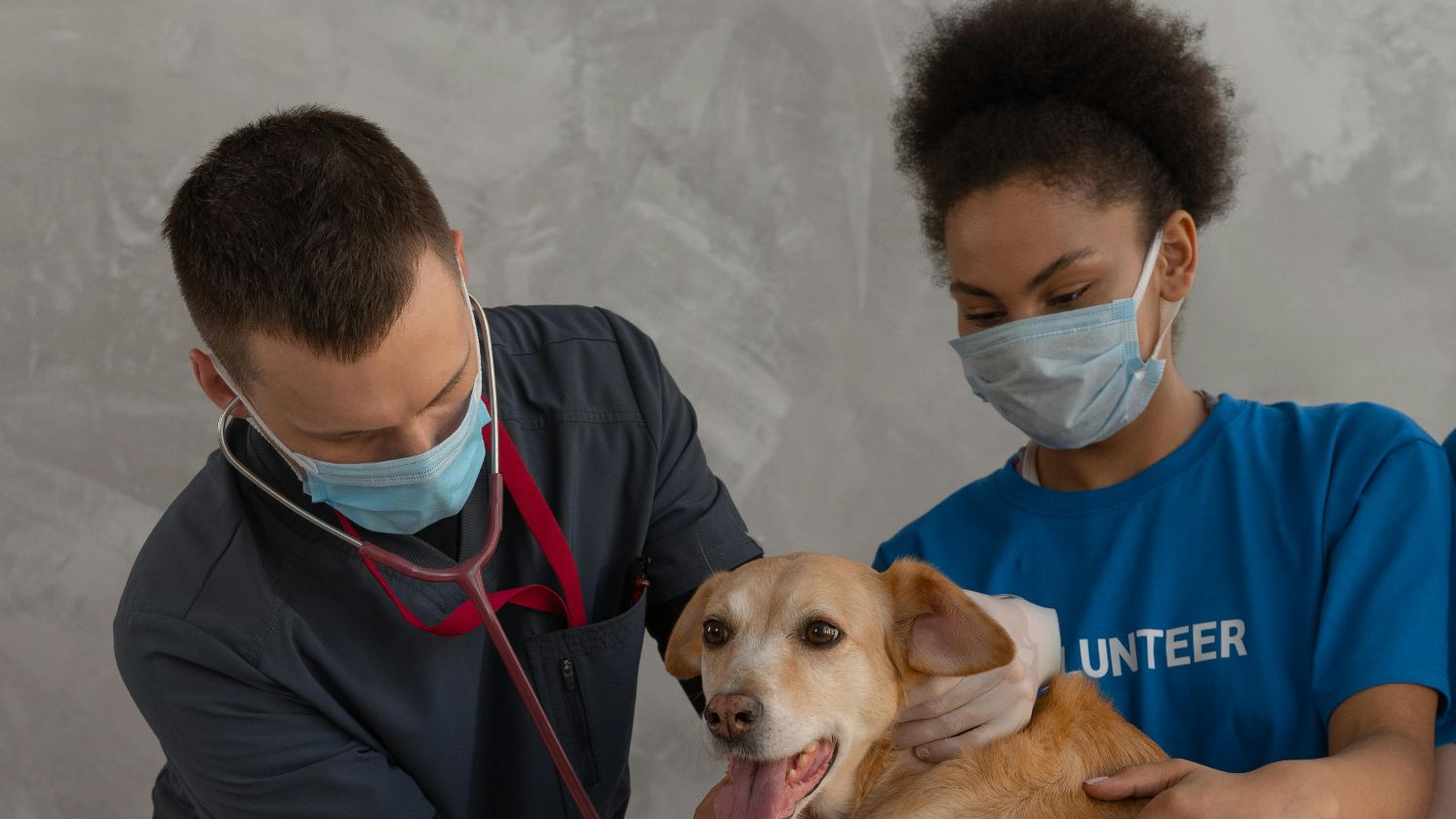
Keep in mind animals can't talk or understand you, which means they don’t always cooperate and emergencies can happen without warning. Staying calm, focused, and patient is what helps vets make good decisions and keep everyone safe in high-pressure situations. You'll see just how valuable this skill is, especially during important, long, or unpredictable workdays.
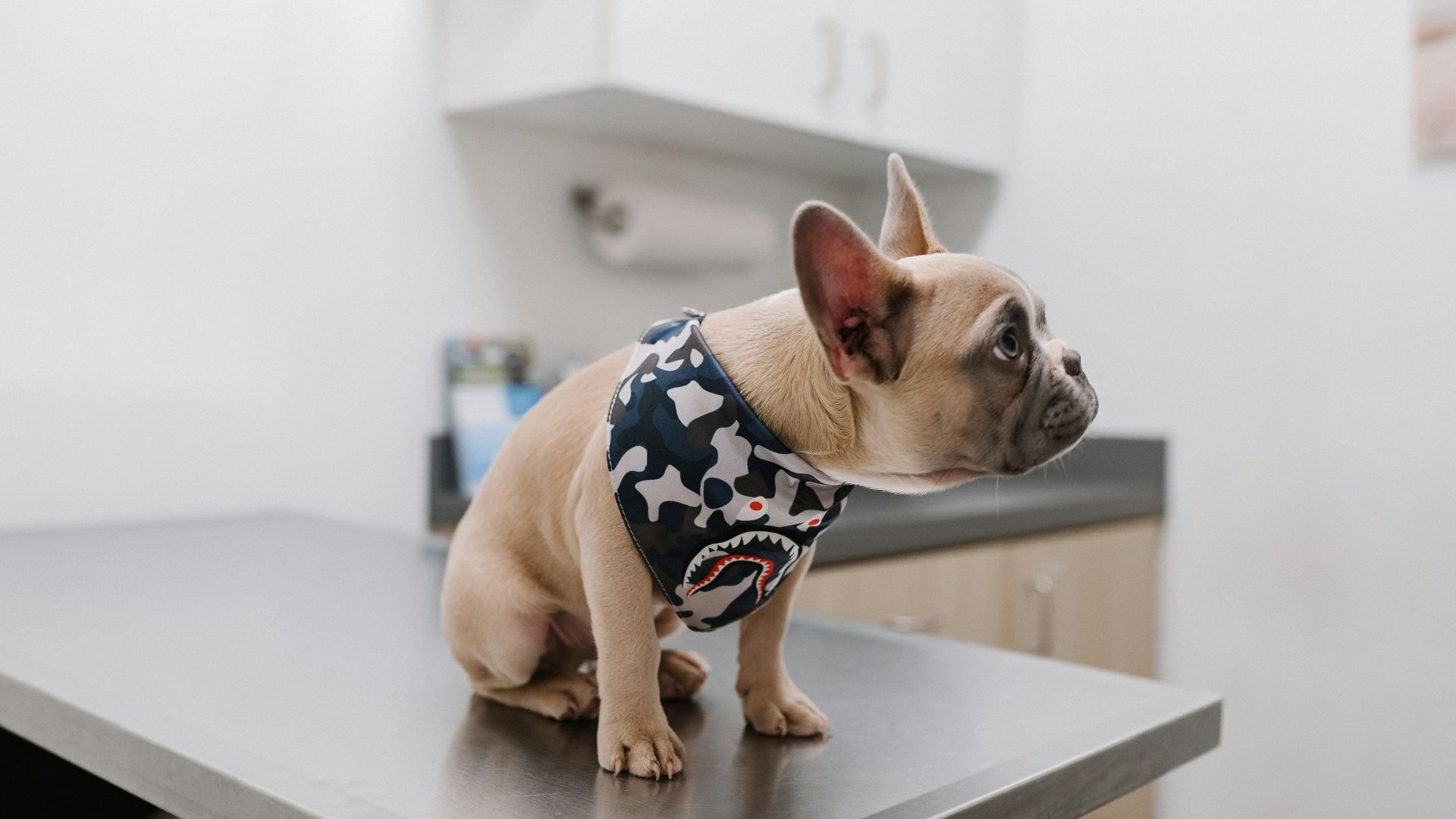
4. Attention to Detail
Being a vet means being able to notice and hone in on the little things. Small changes in behavior, appetite, or physical condition can be important clues. What makes the difference between a good and bad vet is your ability to notice these details, ask the right questions, and avoid rushing through assessments. Catching issues early can make a big difference in treatment outcomes.
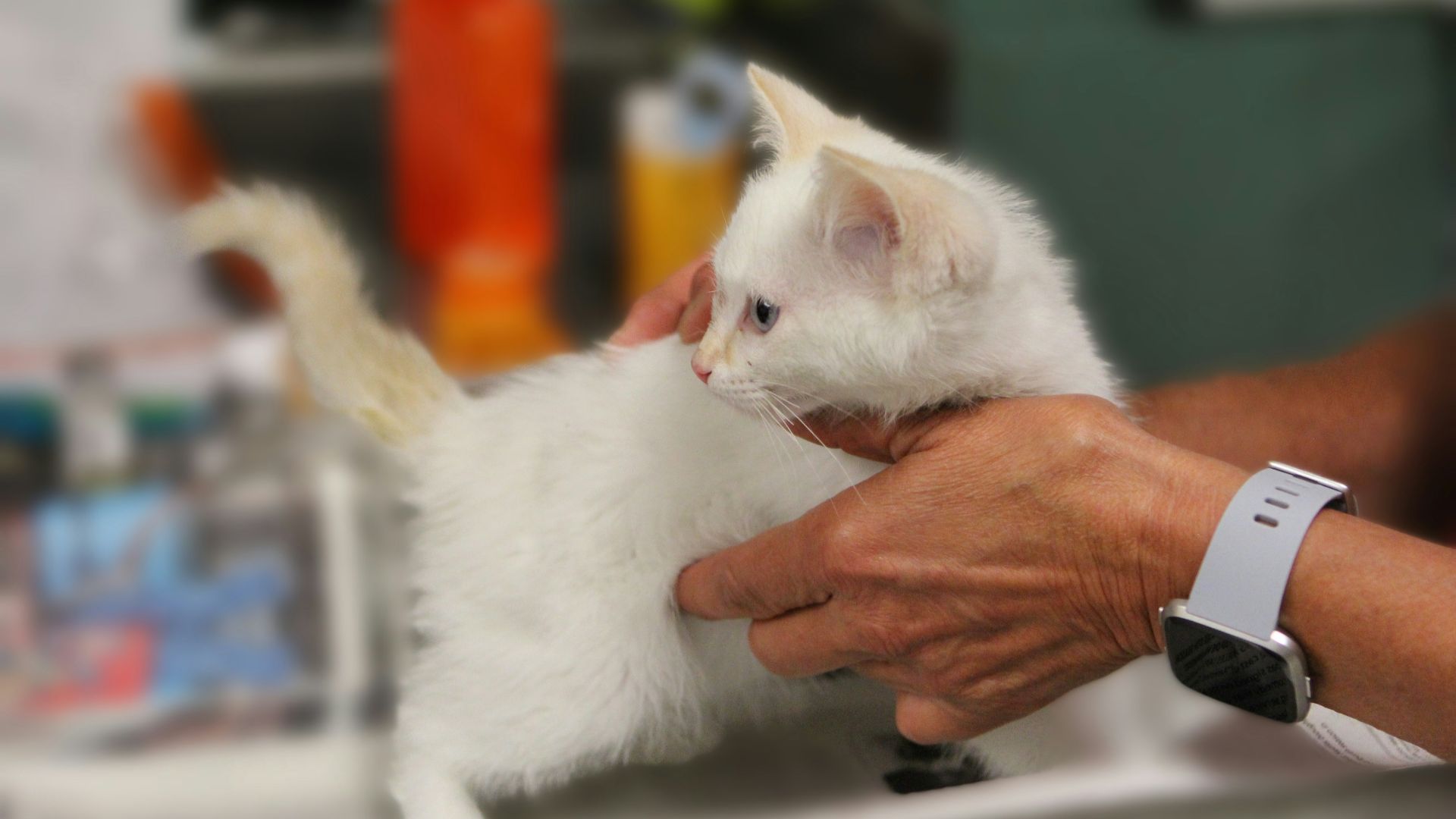
5. Emotional Resilience
Yes, this job has many joyful moments getting to work with animals, but it can also be emotionally demanding. Working as a vet comes with handling difficult outcomes, supporting pet owners, and still showing up with care and professionalism at all times. You'll need emotional resilience if you want to maintain your well-being over the long term.