Understanding These Large Creatures
Even though most humans will never encounter one in real life, hippos are one of the world's most recognizable large mammals. Their impressive size and terrifying teeth give them away pretty quickly! Despite being so familiar to many, most rarely know much about them. Today, we're going to share 5 incredible facts about hippos that'll blow your mind.
1) Built for Life in the Water
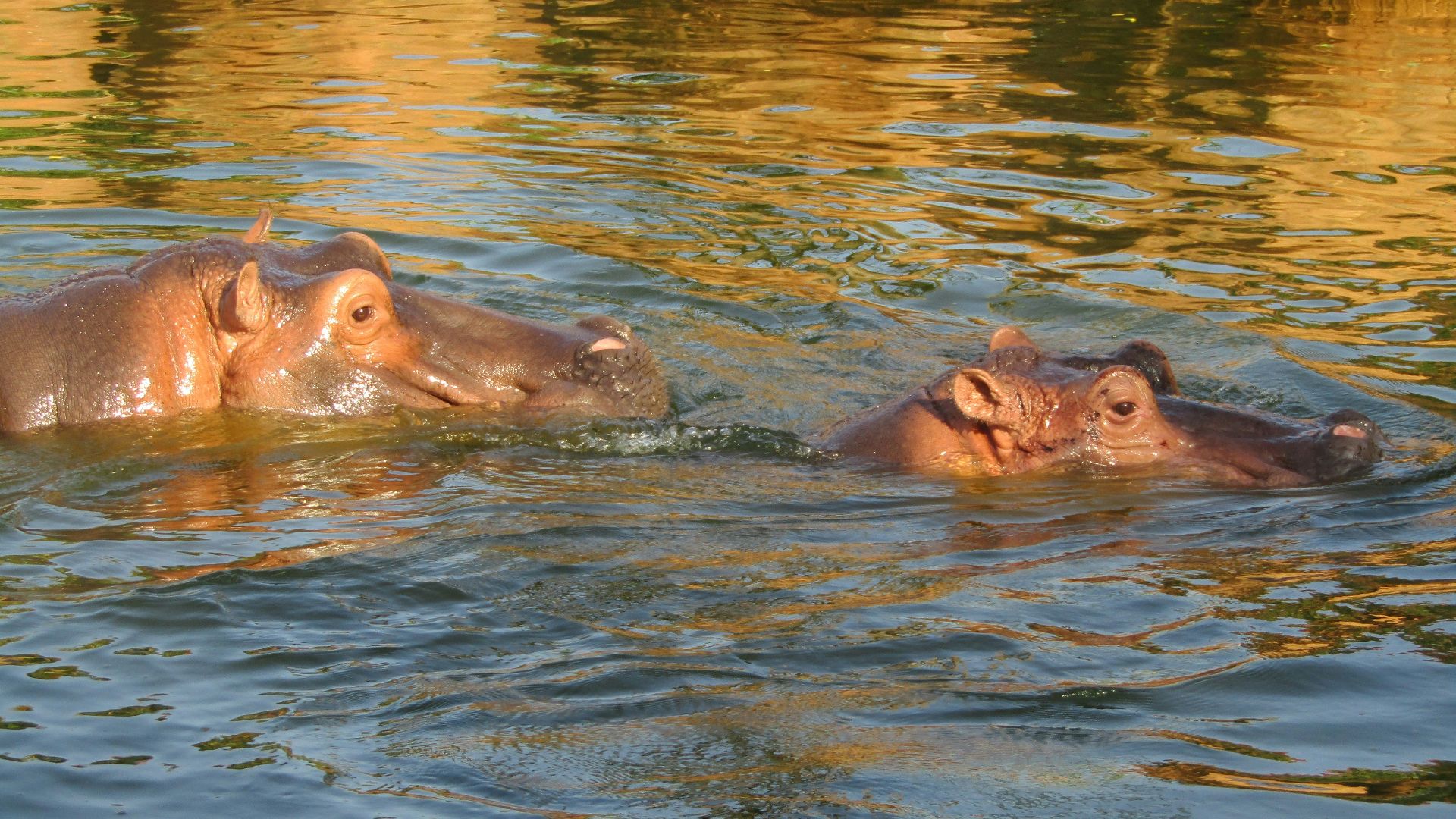
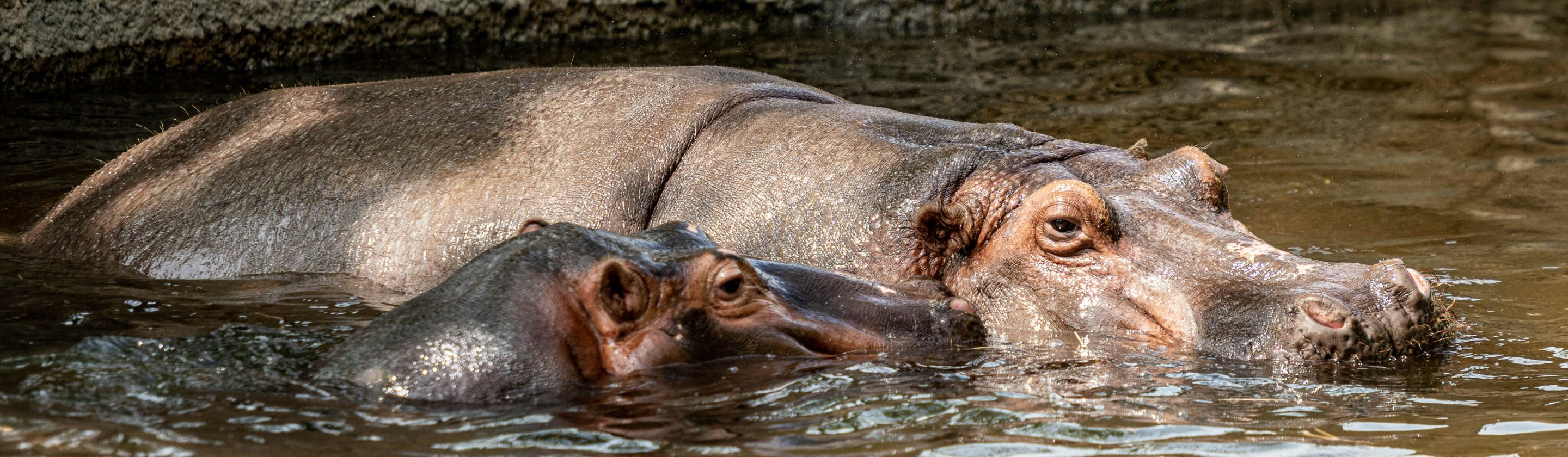
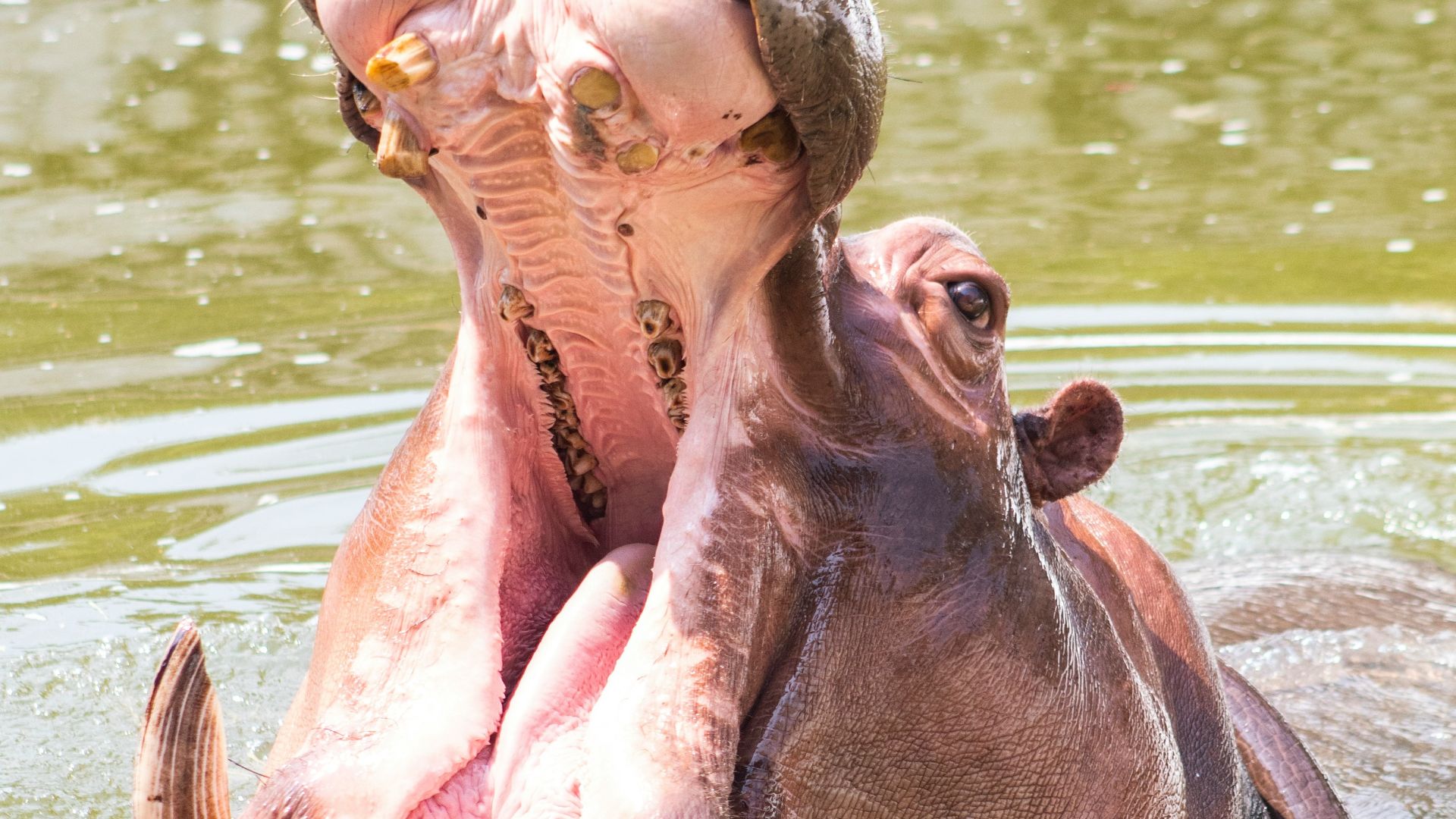
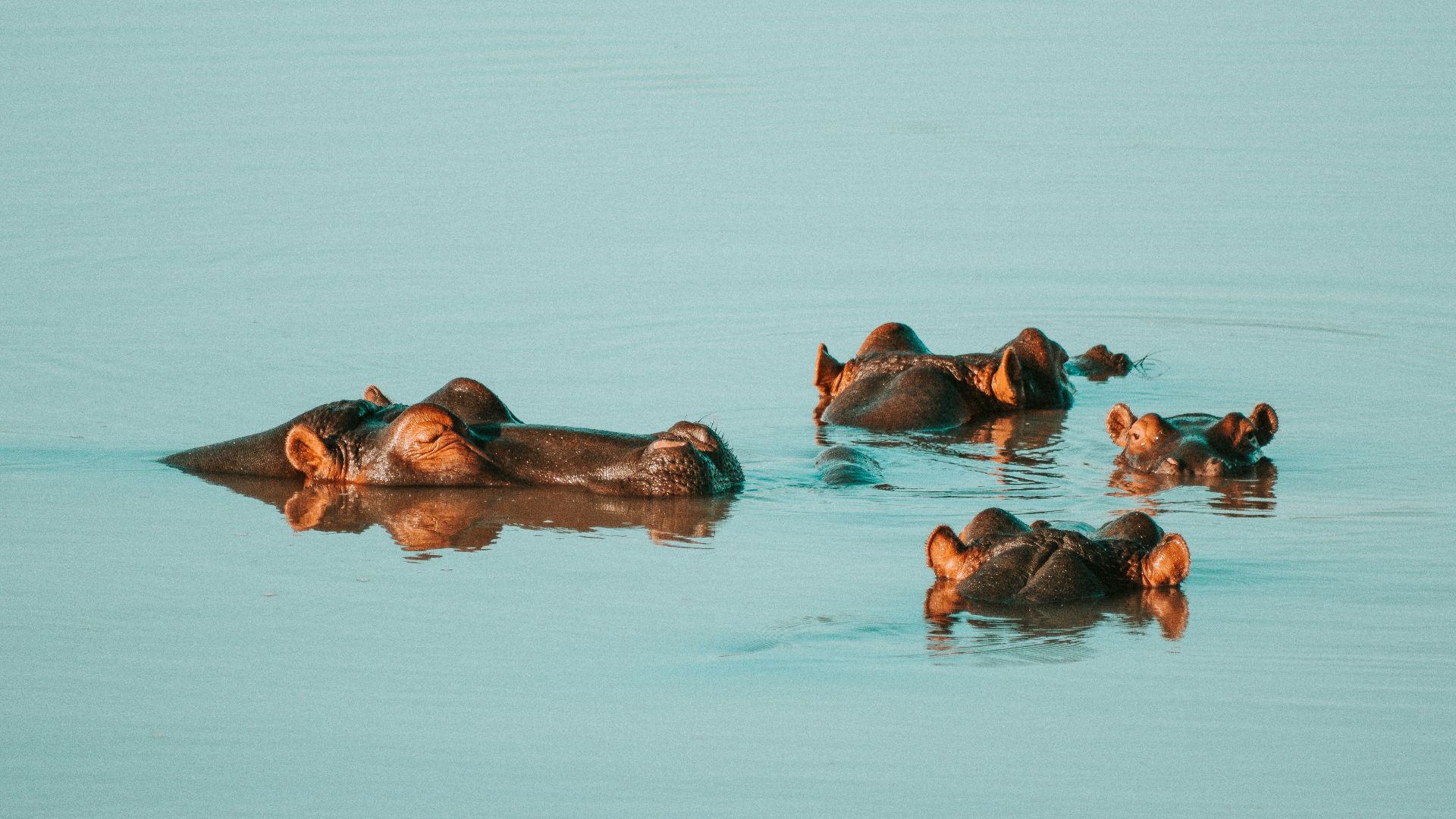
Can you really call hippos land animals if they spend hours staying in the water? These incredible creatures stay submerged for most of the day to keep cool and protect their skin from the sun. Because their eyes, ears, and nostrils sit high on their head, it allows them to see and breathe while mostly being underwater. They can even hold their breath for several minutes!
2) Fast on Land, Too
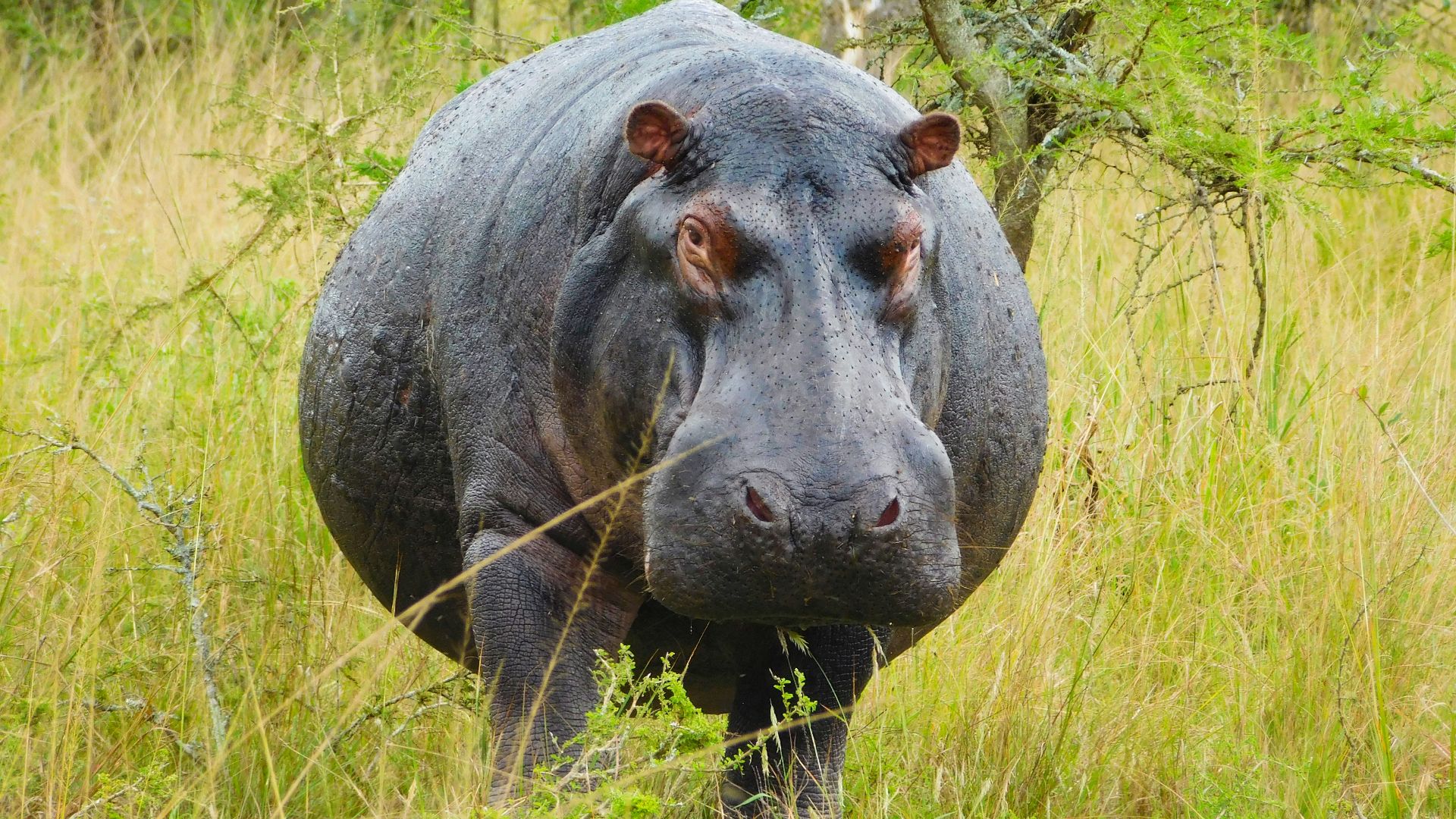
Don't be fooled; although hippos look heavy, these big animals can run pretty quickly over short distances on land. They can reach speeds that would definitely surprise animals and humans alike! Knowing this fact can keep you safe on safari as now you've learned to keep your distance.
3) A Serious Appetite for Grass
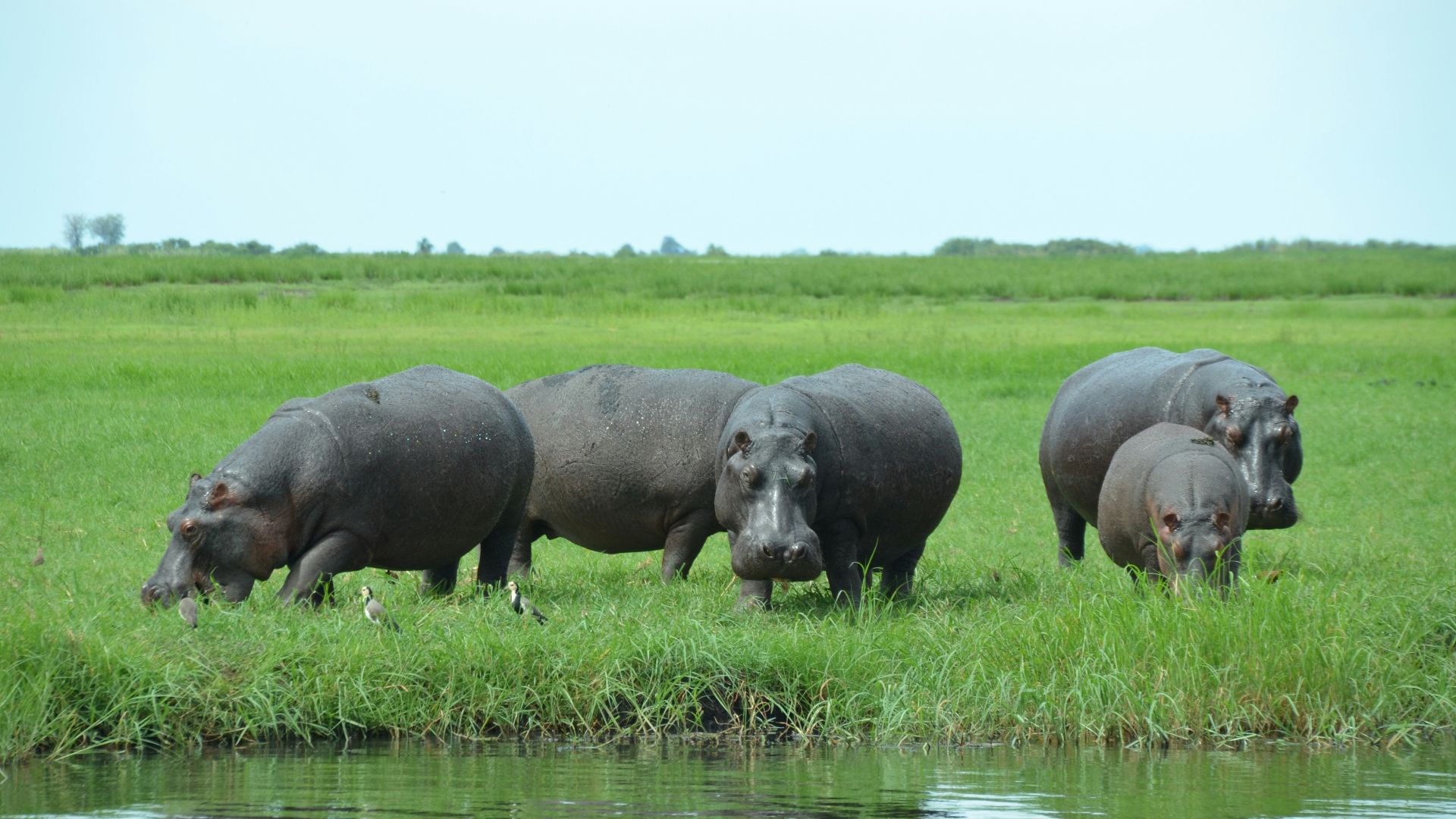
Hippos look scary and aggressive, but they actually feed primarily on grass and graze at night. An adult can consume very large amounts in one evening before they return to the water to relax. Their teeth are famous, but they mainly use them for display and defense rather than chewing food efficiently.
4) Strong Social Rules
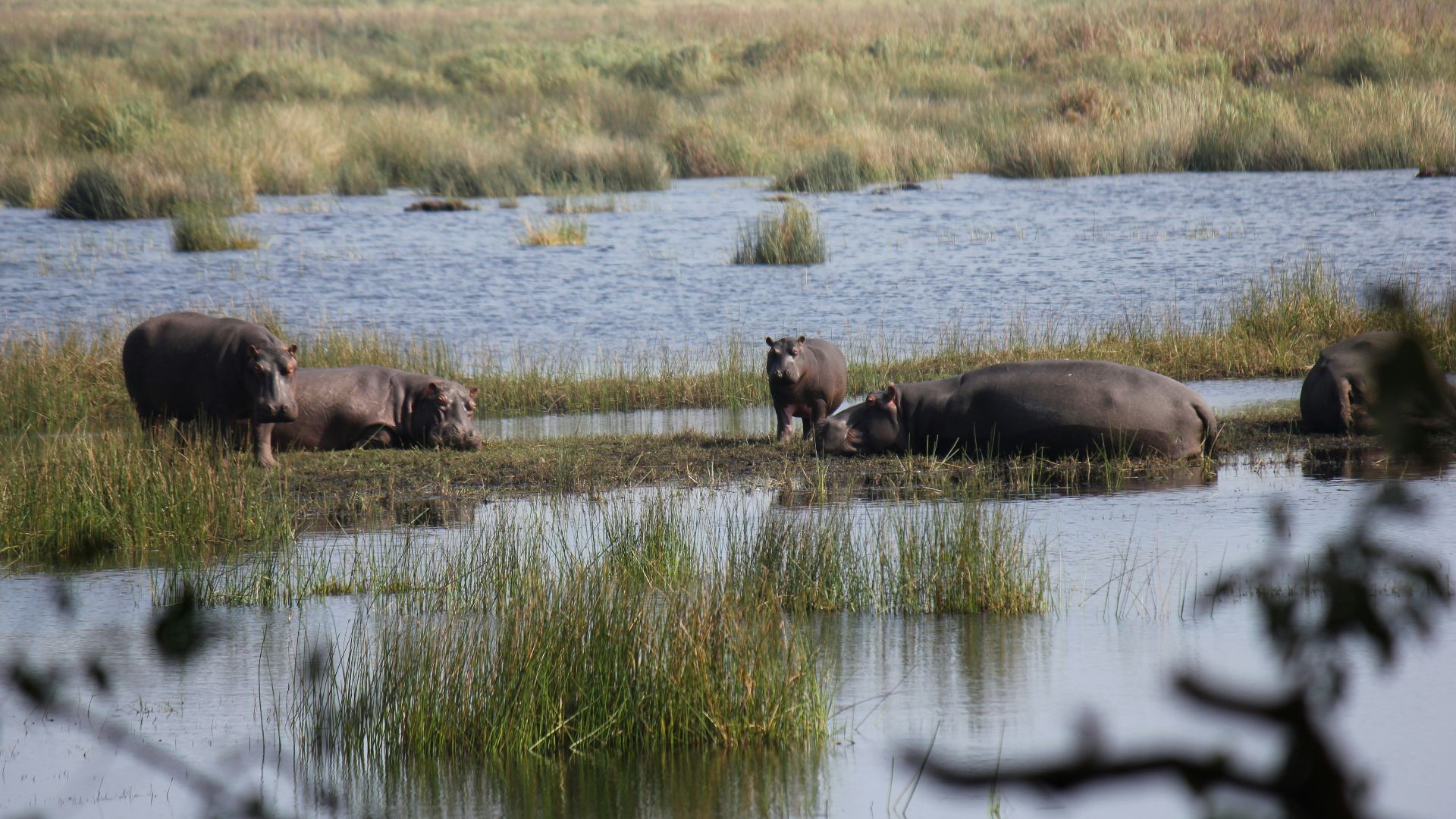
These animals don't know the meaning of being a "lone wolf." Hippos often travel in groups in the water, and social order matters here. Dominant males will try to control shorelines, trying to maintain access to female groups. Group interactions vary too, and can include vocal signals, body postures, and more.
5) Important Environmental Engineers
Hippos influence their habitats through where they travel, rest, and feed. Their repeated paths can shape channels and trails that affect water flow and access for other animals, and their presence also changes nutrient movement between land and water. They have a surprisingly large impact on local ecosystems over time.