Stay Calm and Let The Experts Lead
Finding a washed-up turtle can be unsettling, especially if you’re not sure whether it’s injured, exhausted, or simply resting. We get it—your first instinct may be to step in and help, but actually, the most helpful response is usually a careful one. Let’s dive into a few things you should know before you spring into action.
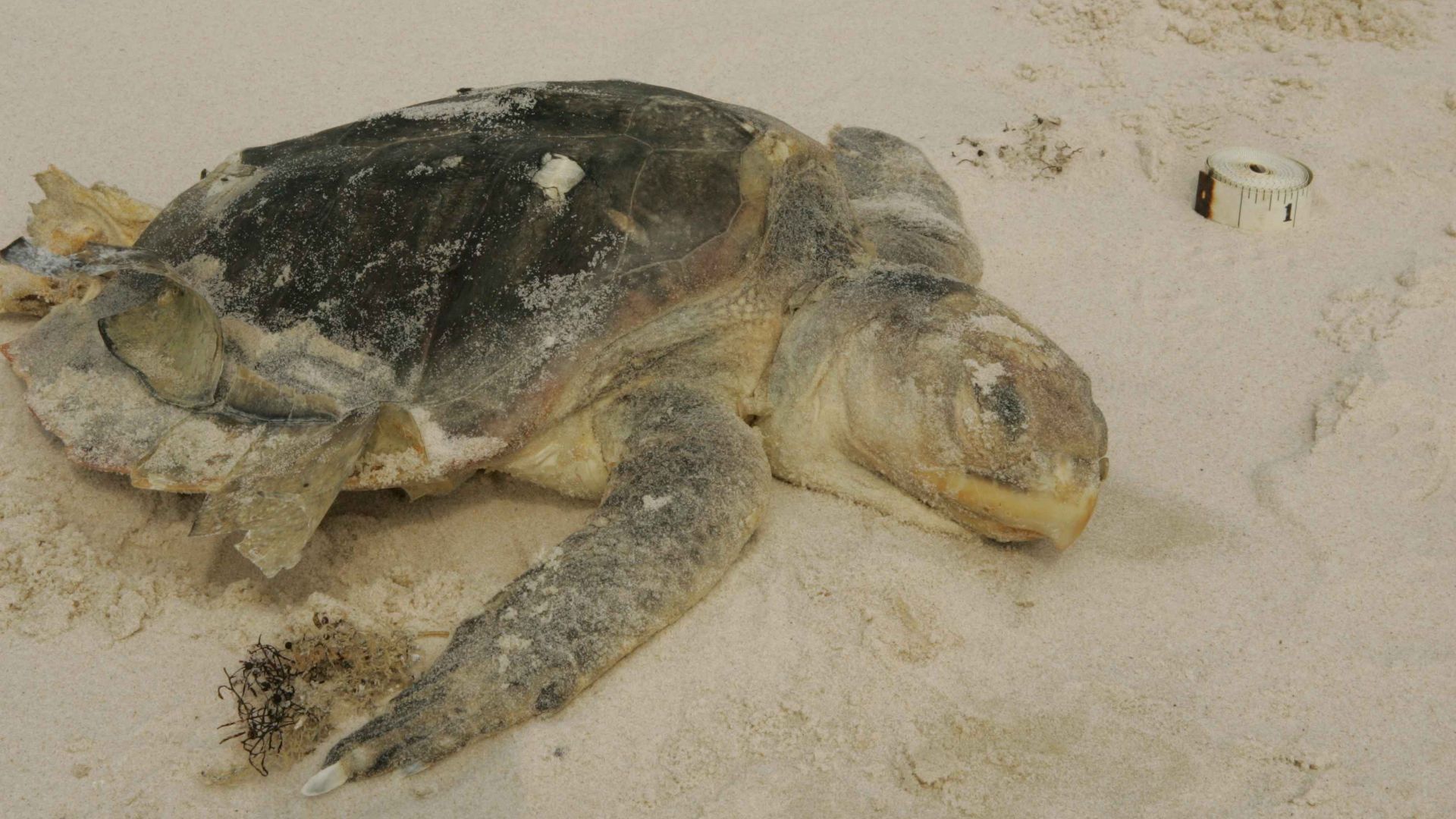 Hillebrand Steve, U.S. Fish and Wildlife Service on Wikimedia
Keep a Respectful Distance
Before you do anything else, give the turtle space. Even a weak animal can become stressed, and close contact may also put you at risk of bites or disease exposure. Staying back also helps you avoid adding pressure to an already difficult situation.
Report It Quickly
Once you hang back, the most important step is to contact wildlife authorities right away. NOAA specifically recommends reporting sick, injured, stranded, or dead sea turtles to the appropriate network so trained teams can respond. Make sure you have all the details handy, too, like the exact location and any clear signs of injury.
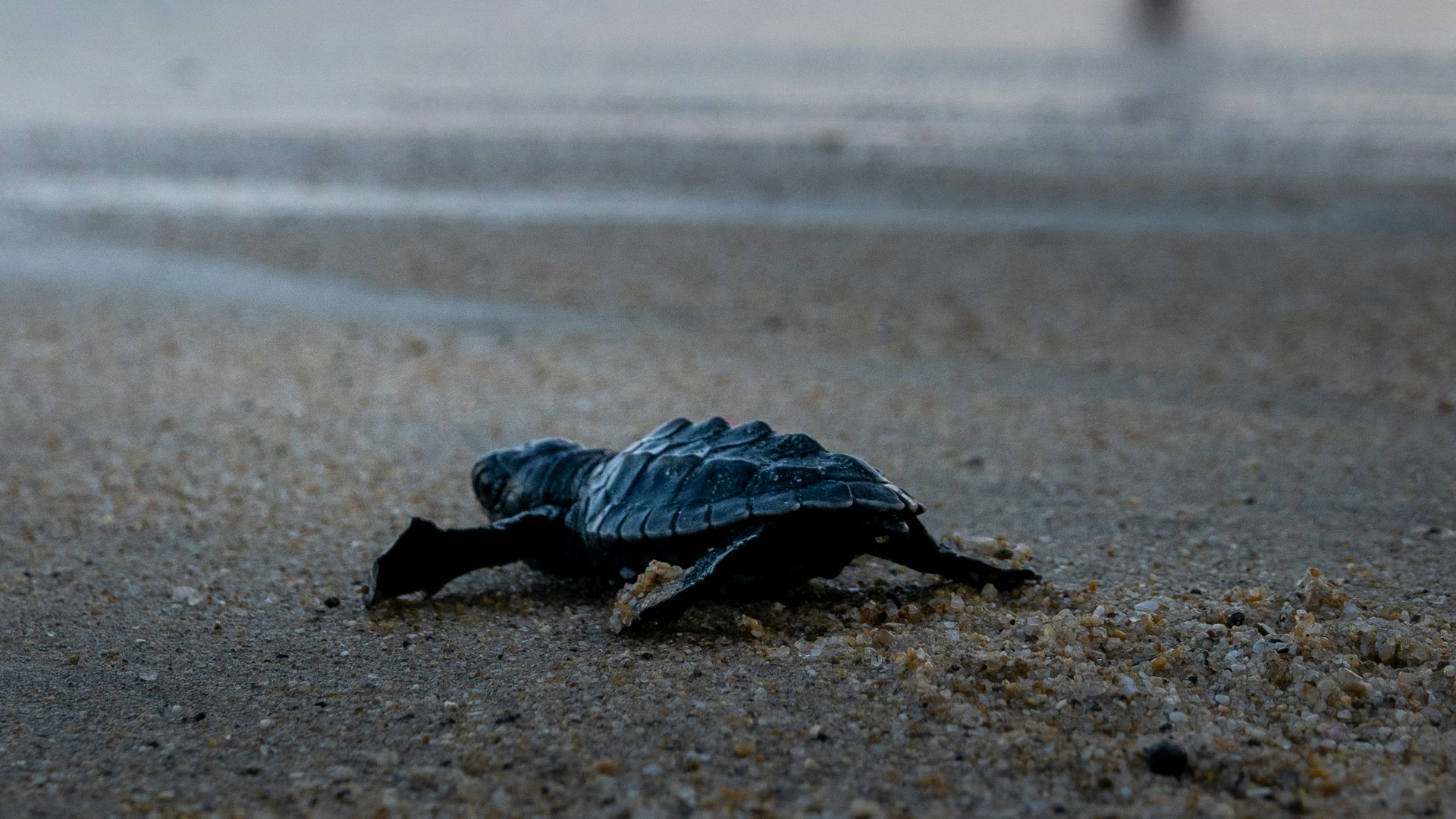
Don’t Push It Back Into The Water
It may seem compassionate, but returning a stranded turtle to the ocean can actually make matters worse. A turtle may be cold-stunned, injured, or too weak to swim, and only trained responders can judge that safely. What looks like a simple rescue from your perspective could actually just place the animal in greater danger.
Note The Details
Useful information always makes a rescue response more effective. You don’t need an elaborate report, but clear details about size, condition, and surroundings are legitimately valuable. Just make sure you gather that information without disturbing the turtle.
Keep Loved Ones Away
Once you’ve reported the turtle, your role is to prevent further disturbance. Ask others to stand back. Keep dogs on a short leash. Crowd control is one of the most practical ways to help until the right people arrive.