
Majestic Underwater Beings
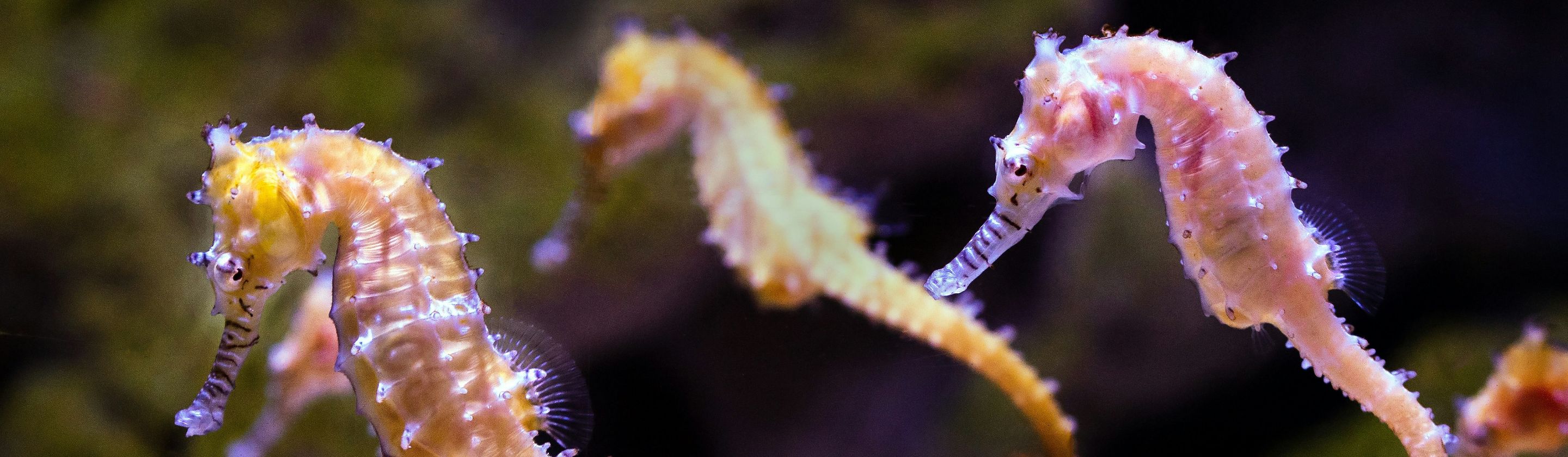
Even if you've never seen one in real life, sea horses are some of the ocean's most distinctive creatures, admired for their unusual shape and gentle movements. We're guessing you know very little about these animals, but they have tons of surprising traits and interesting behaviors that make them worthy of studying! Here are just five.
1. Male Sea Horses Give Birth
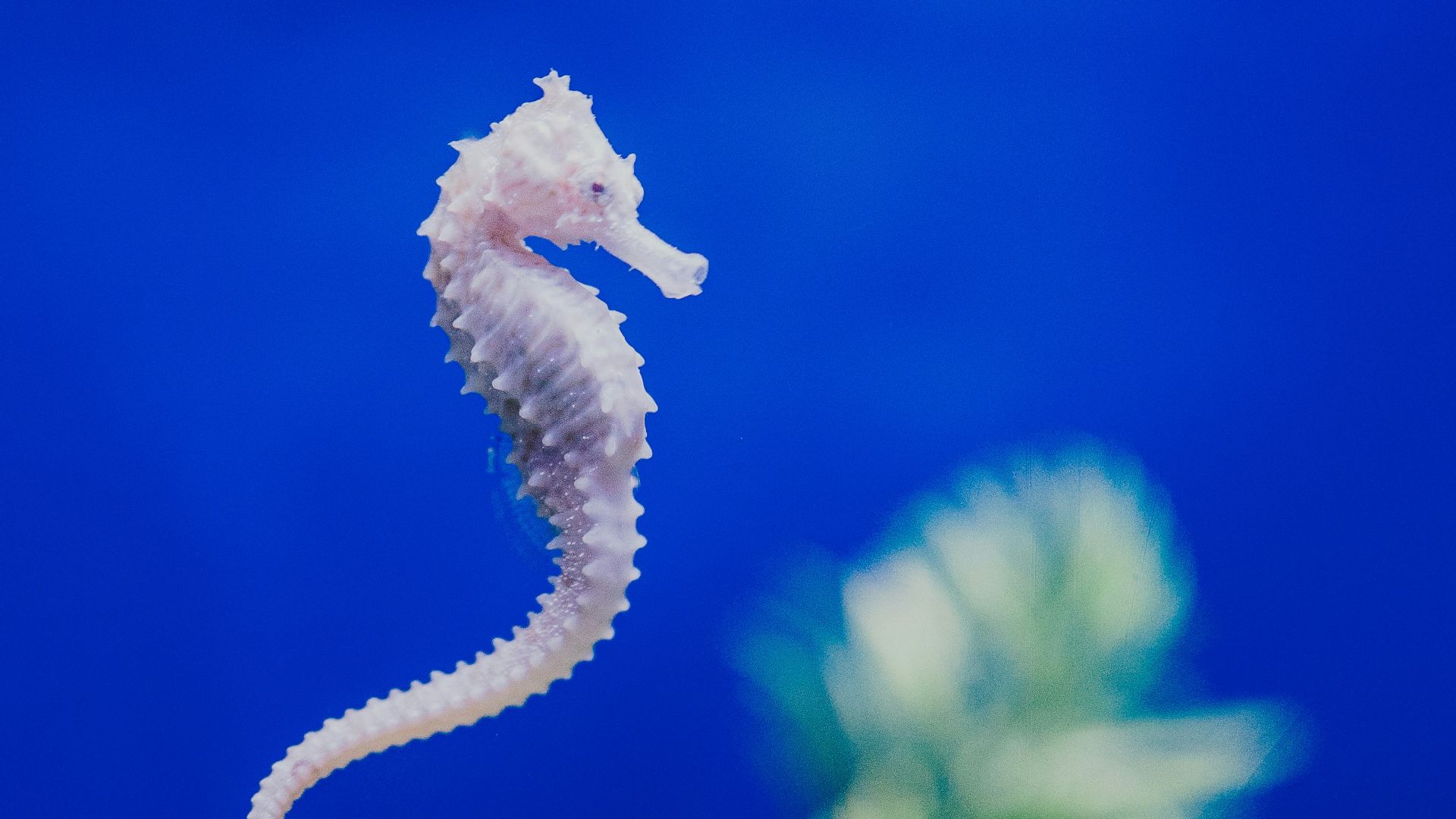
It may be surprising to hear that for sea horses, it's actually the male and not the female that carries the babies. The female places her eggs into a pouch on the male's body, and once ready, the male releases them into the water.
2. They Are Not Strong Swimmers
Despite being marine creatures, sea horses are not the best of swimmers. They move through the water using a small fin on their back, and while this fin works quickly, it doesn't make them especially fast or powerful in the water.
3. Their Tails Are Very Useful
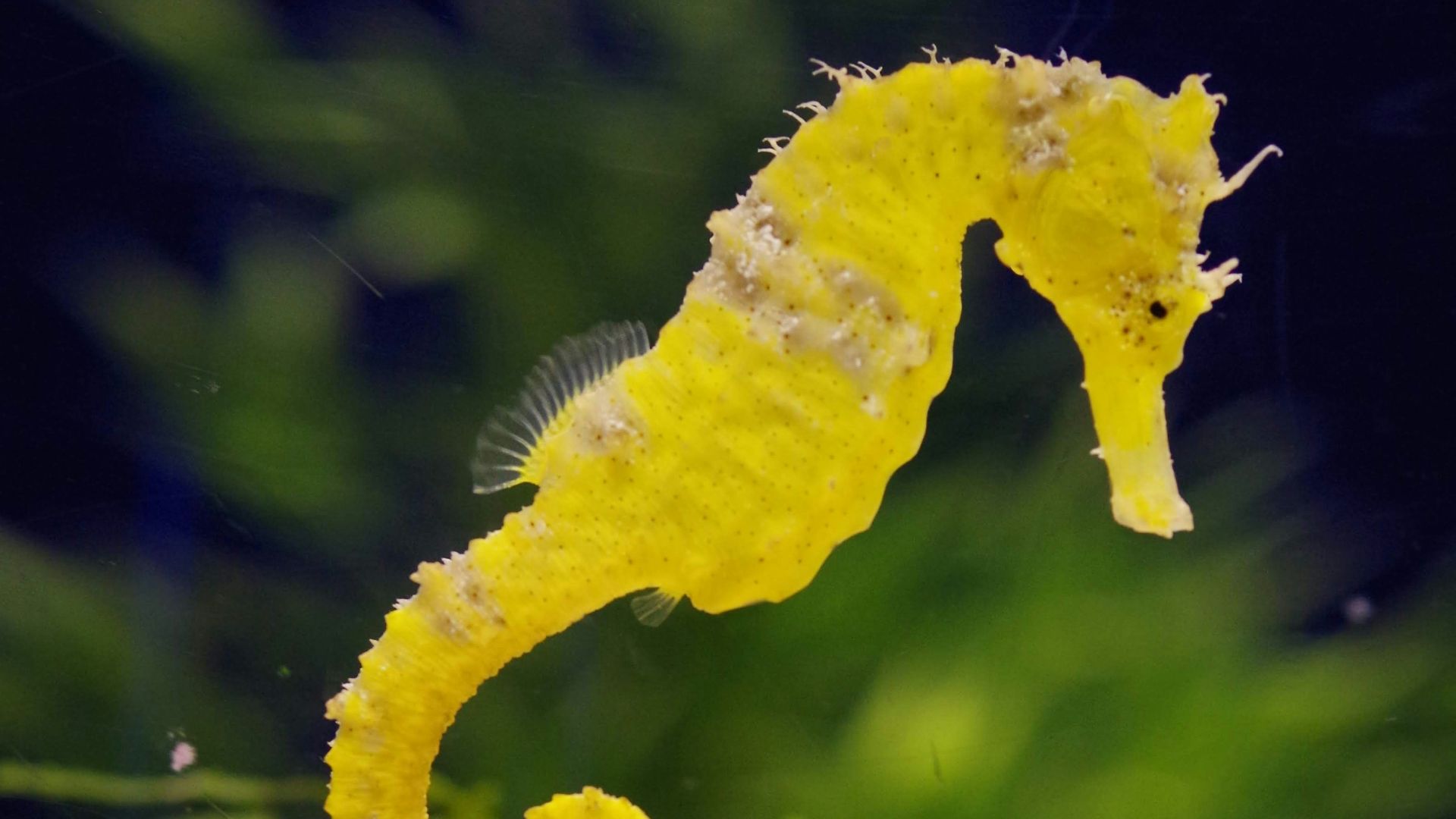
Sea horses have very recognizable tails, and they do more than just look cute! They can curl their tails around objects in their environment which helps them stay in place when currents move through the water. It also allows them to rest safely while they watch for food.
4. They Eat Almost Constantly
Sea horses do not have stomachs, but that doesn't stop them from making food their main priority. Because food passes through their bodies quite quickly, they need to eat often throughout the day. Their diet usually includes tiny crustaceans and other small marine animals.
5. Their Eyes Move Independently
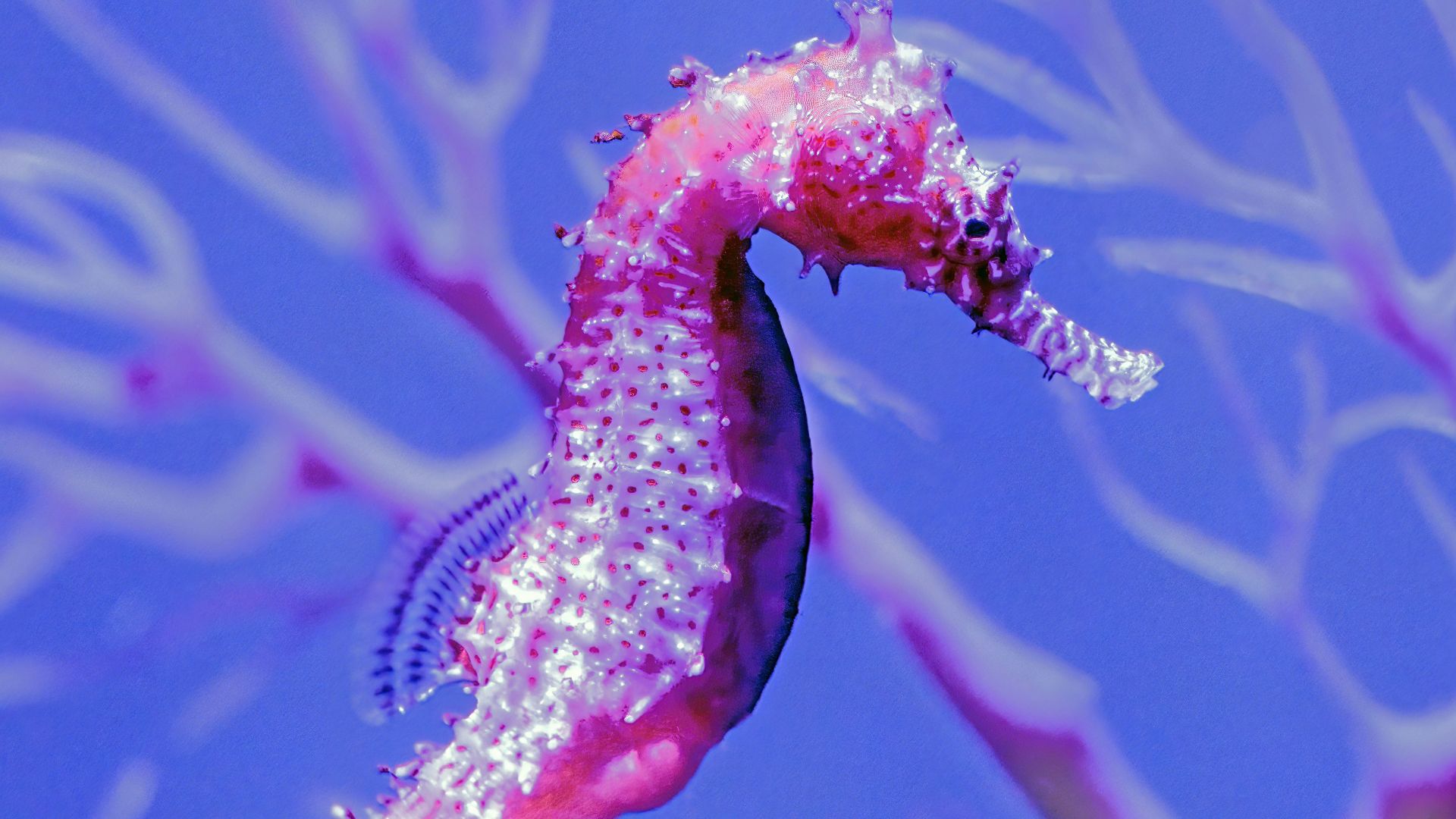
A sea horse can move one eye in a different direction from the other. This helps it look for food while also watching for danger nearby. It may sound funny, but in reality, it's a very practical feature for such a small and careful ocean animal.