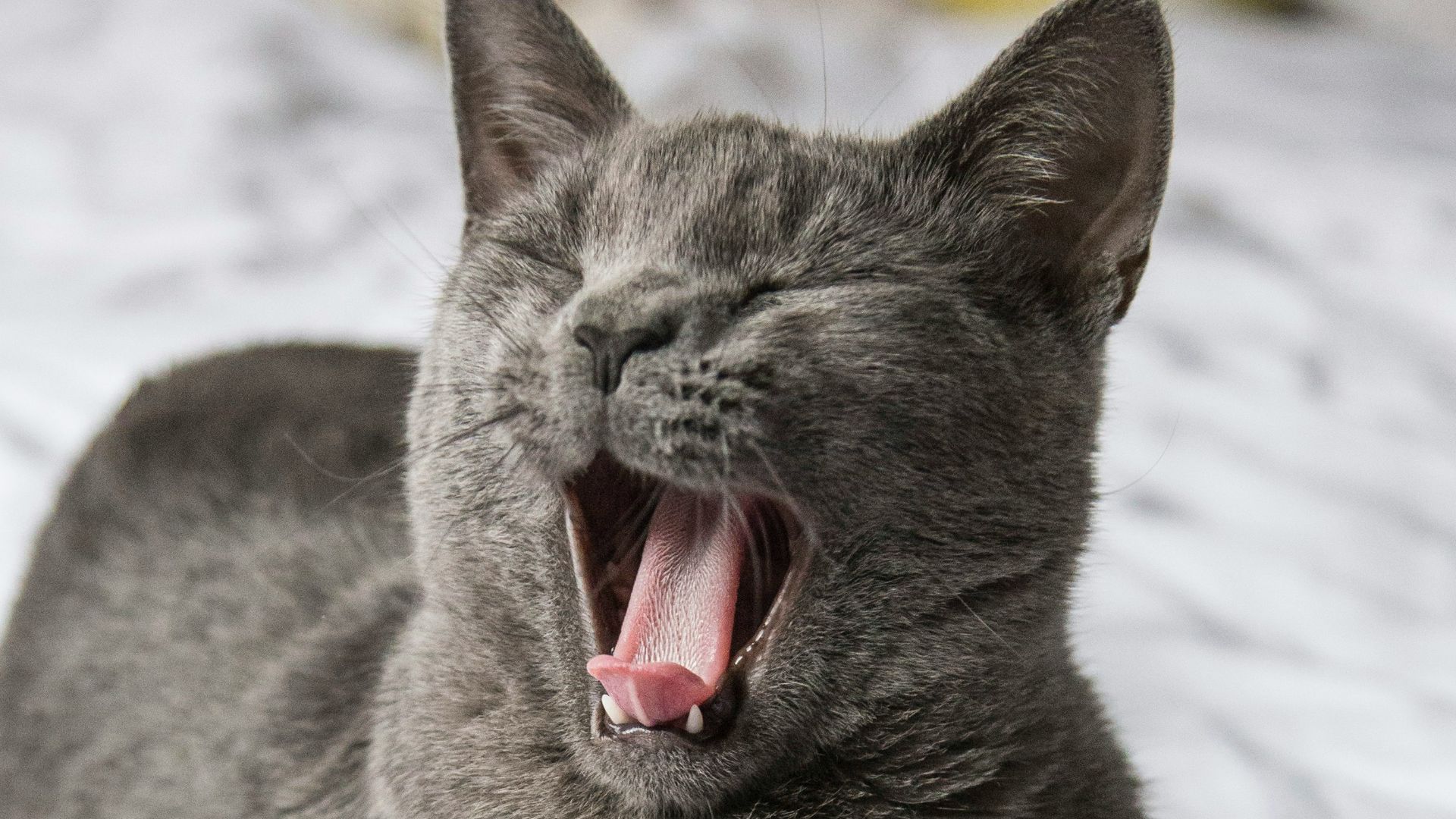

Those Little Teeth Have a Point
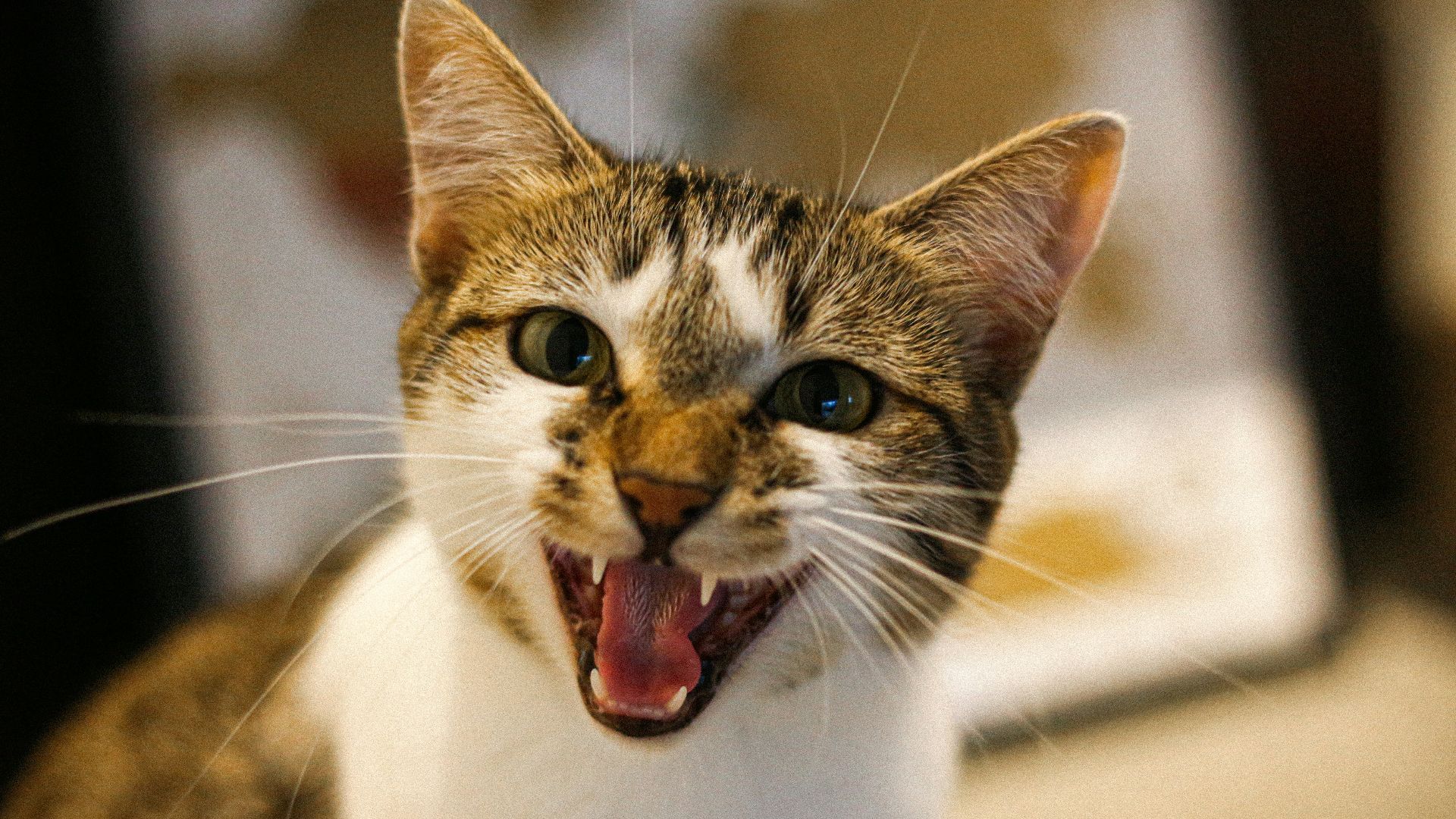
Cats have plenty of ways to communicate, even though they mostly just hang around on scratching posts. But sometimes they choose the least subtle option available: their teeth. While biting can occasionally signal a behavioral issue, many bites are tied to perfectly normal habits, and we’re here to break down what to look out for.

They’re Overstimulated
A cat can enjoy a long petting session right up until the moment it pushes them over the edge. Repeated touching may become overwhelming, especially around sensitive areas such as the belly or lower back. Watch for a twitching tail or rippling skin first; a bite may be your cat’s way of announcing that cuddle time has ended (and they tried to warn you).
Playtime Can Get Too Real
Kittens learn through chasing, pouncing, and biting, and some cats carry that play into adulthood. If you’ve used your hands as toys, your cat may see fingers as fair game, and there’s no real reason they’d suddenly make a distinction!
Sometimes It’s Affection
Not every bite is delivered with bad intentions. Some cats give gentle little nibbles while grooming, cuddling, or relaxing beside someone they trust. Weirdly enough, it’s a behavior often described as a “love bite,” and they lack the force of an aggressive bite.
They Want You to Stop Something
Cats don’t always bother with a lengthy warning when they’re inconvenienced. A defensive nip can arrive after softer signals go unnoticed, so it’s up to you to pay attention to posture, ears, and tail movement.
Pain or Discomfort
In more severe cases, a cat that suddenly starts biting deserves a closer look. It’s even more worrisome if it happens when you pet a certain area. Dental trouble, arthritis, injuries, or other sources of discomfort can make even a normally easygoing cat defensive.