More Than a Seafood Favourite
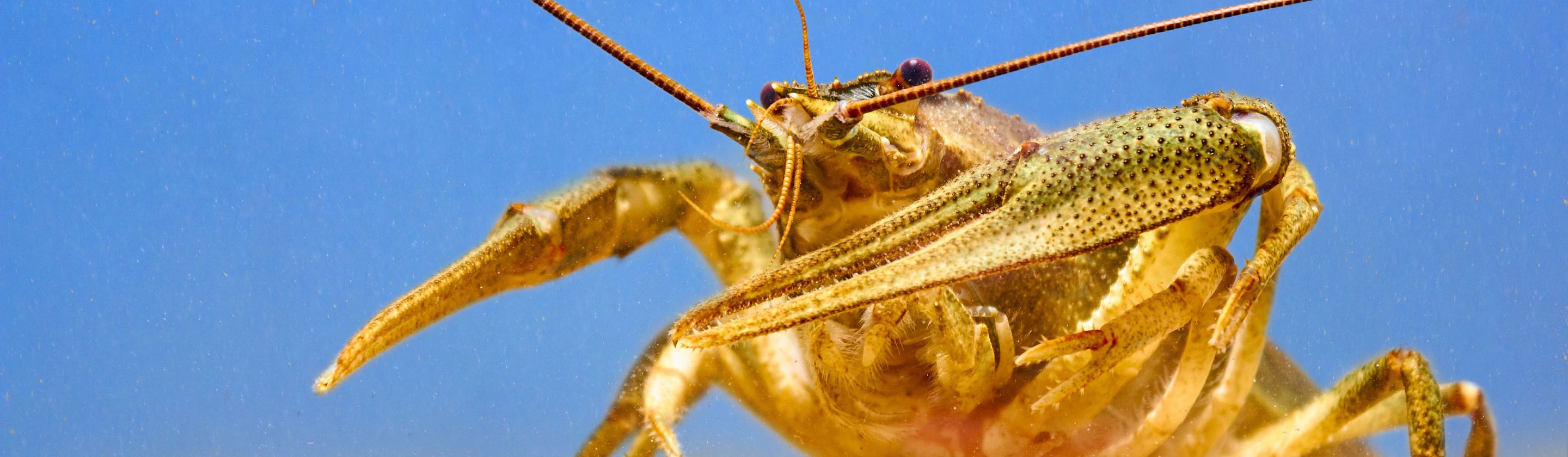
Lobsters are well known for appearing on expensive restaurant menus, but there is much more to these marine crustaceans than their culinary reputation. Here are just five incredibly fascinating facts about these creatures that we know will impress you.
1. Lobsters Taste With Their Legs
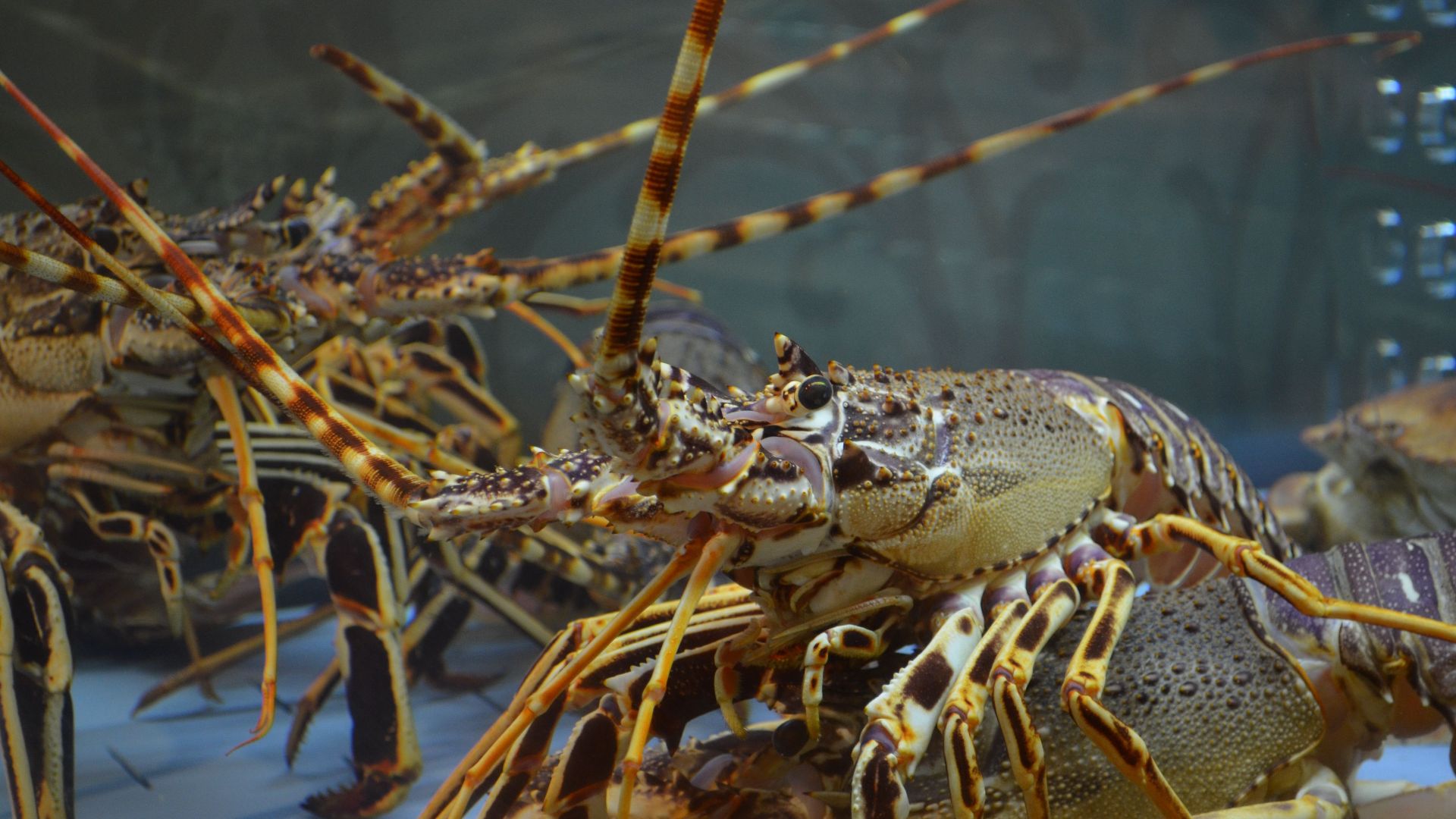
It might be weird to wrap your head around it, but lobsters actually have special sensory hairs on their legs and feet that allow them to detect chemicals in the water. These receptors help them identify food and gather information about their surroundings, meaning they play a crucial role in their survival.
2. Their Teeth Are in Their Stomachs
Not just taste receptors on their legs, but turns out lobsters don't chew their food with teeth inside their mouth. Instead, it has a structure called a gastric mill in its stomach, which contains hard parts that grind food into smaller pieces.
3. Lobsters Can Regrow Lost Limbs
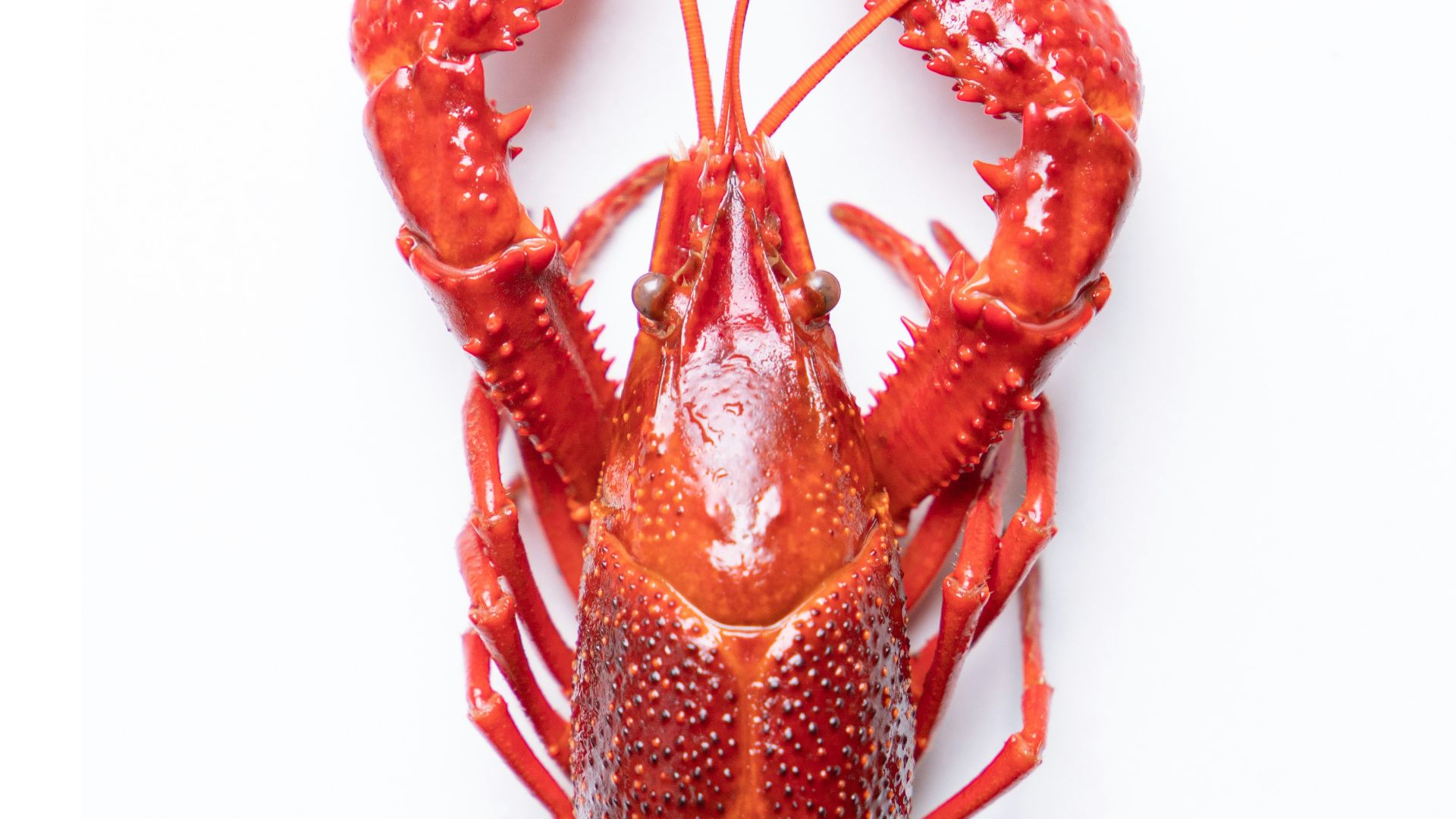
If a lobster loses a claw or leg, it's not the end of the world for them; it can gradually grow a replacement! The new limb usually develops over several moulting cycles and may initially be smaller than the original, but still, this ability is certainly useful.
4. They Have Blue Blood
Another biological difference from humans, lobster blood is usually colourless inside the body but can appear blue when exposed to oxygen. This is because it contains hemocyanin, a copper-based protein that transports oxygen through the body.
5. Lobsters Continue Growing Throughout Their Lives
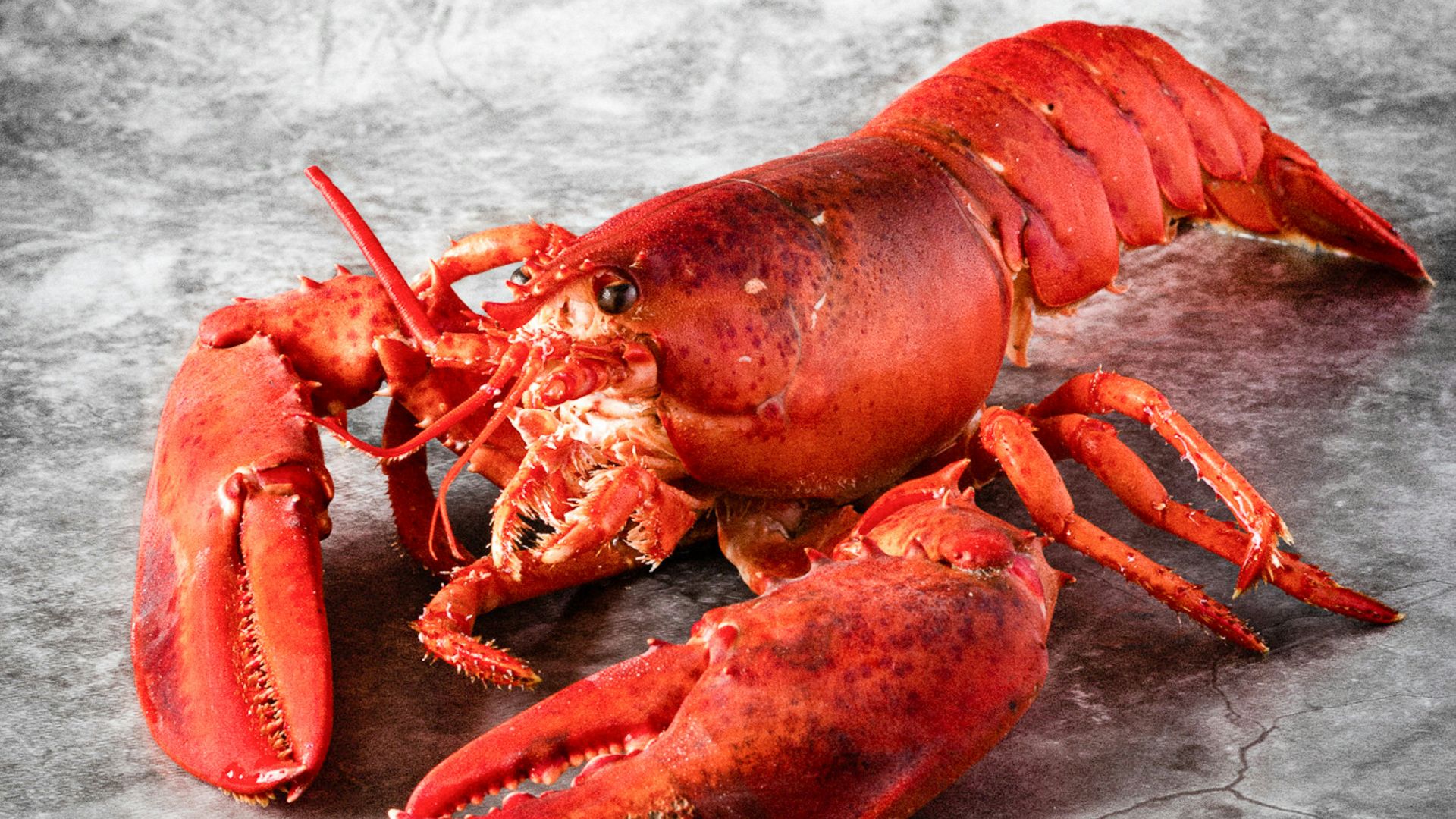
Lobsters do not stop growing when they reach adulthood. They actually increase in size by shedding their hard outer shell in a process known as moulting and forming a larger one. Older lobsters moult less frequently, but they can continue growing for many years.