

Small Dogs, Big Problems
Some people love small dogs for their charming size, cute affection, and adorable appearance. And while they're certainly cute and cuddly, that doesn't mean they don't come without problems. In fact, it's their compact size that brings about a few practical challenges! Here are five problems that'll come your way if you choose to own a small dog breed.
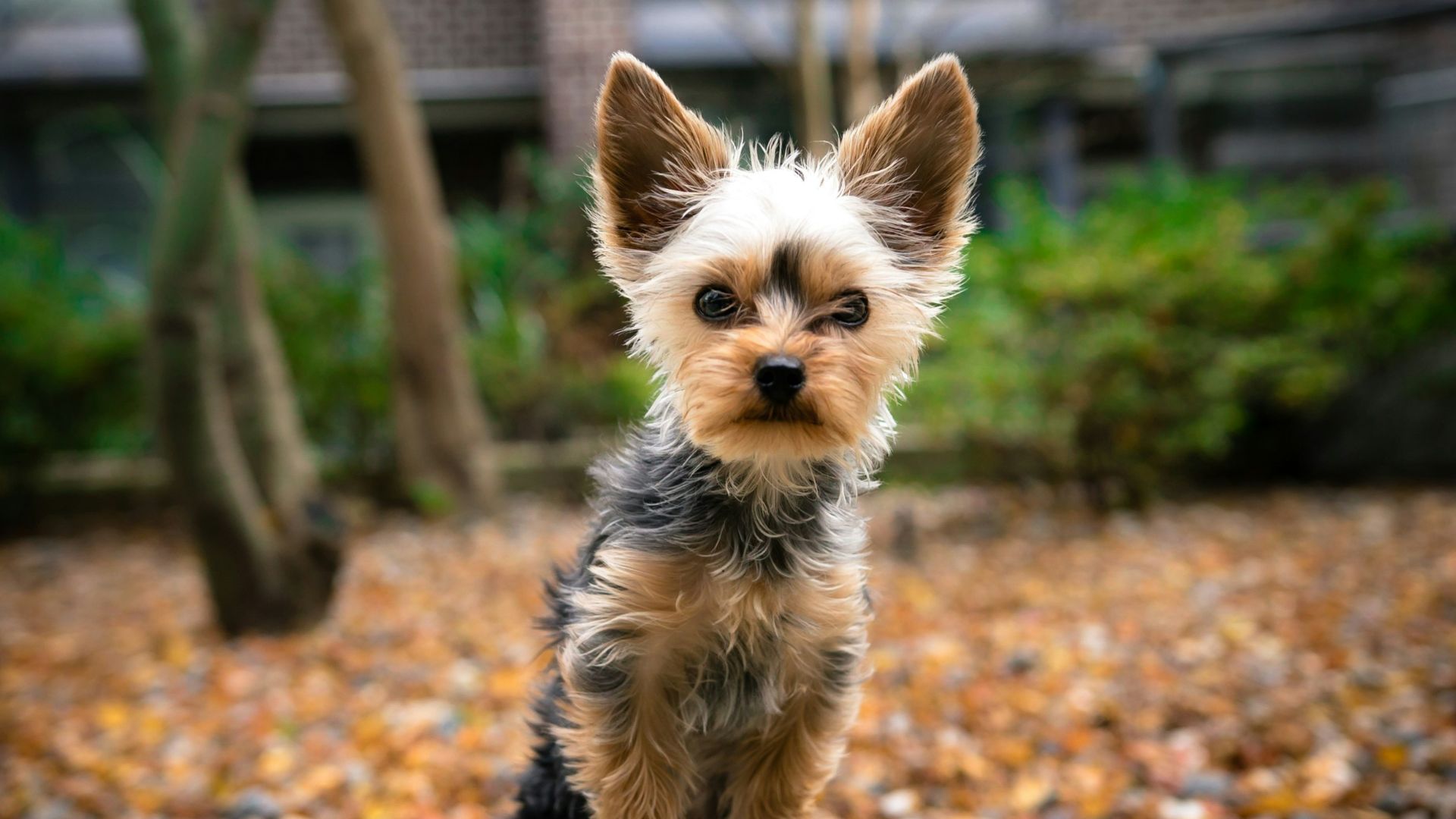
1. Fragility Requires Extra Care
Given their size, small dogs are far more delicate than most owners expect. You need to handle them with consistent caution because a small fall, an awkward jump, or rough play can lead to injuries more easily than with larger dogs.
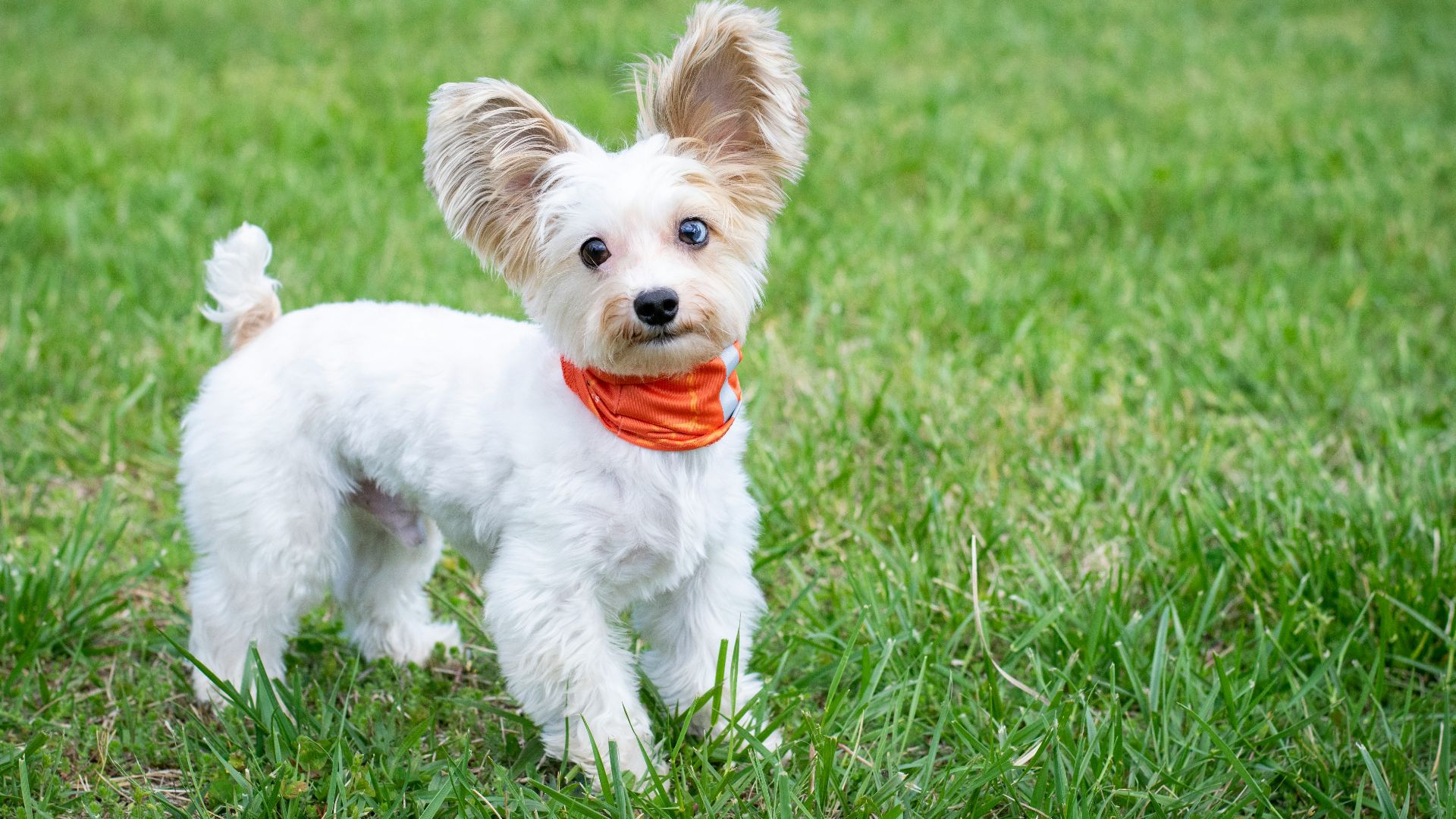
2. Training Is Often Underestimated
Sometimes, owners are unknowingly less strict with smaller dogs because of how cute and cuddly they look. Unfortunately, if this passiveness carries over during training in the early stages, you may be left with a small dog that barks, has stubborn habits, and has poor manners.
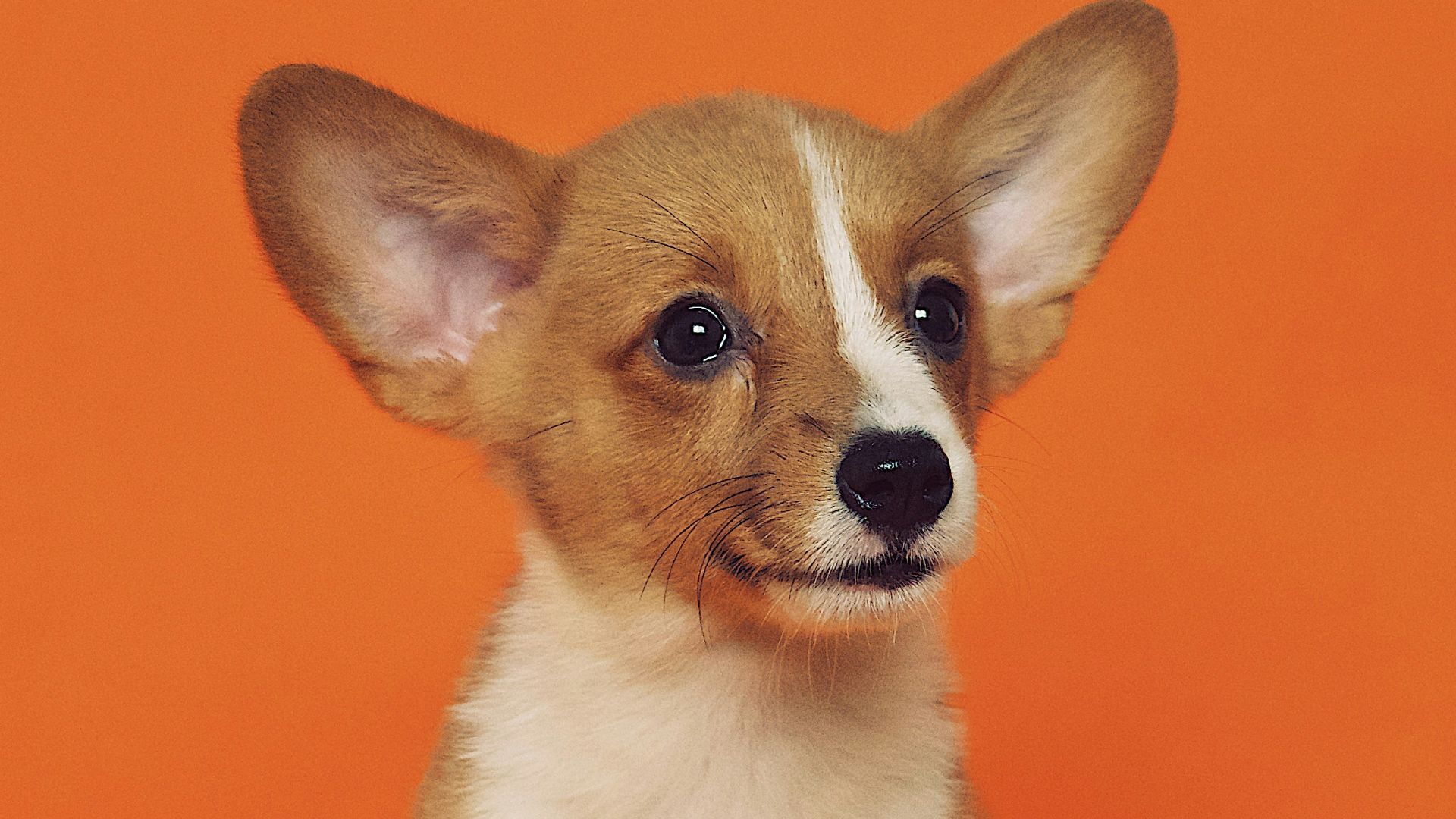
3. They Can Be Surprisingly Noisy
They might be small, but don't let that fool you; their size has nothing to do with how loud that can be! Many small dog breeds are naturally alert and quick to react to movement, sounds, and visitors. As a result, barking can become a frequent feature of the household if not managed properly.
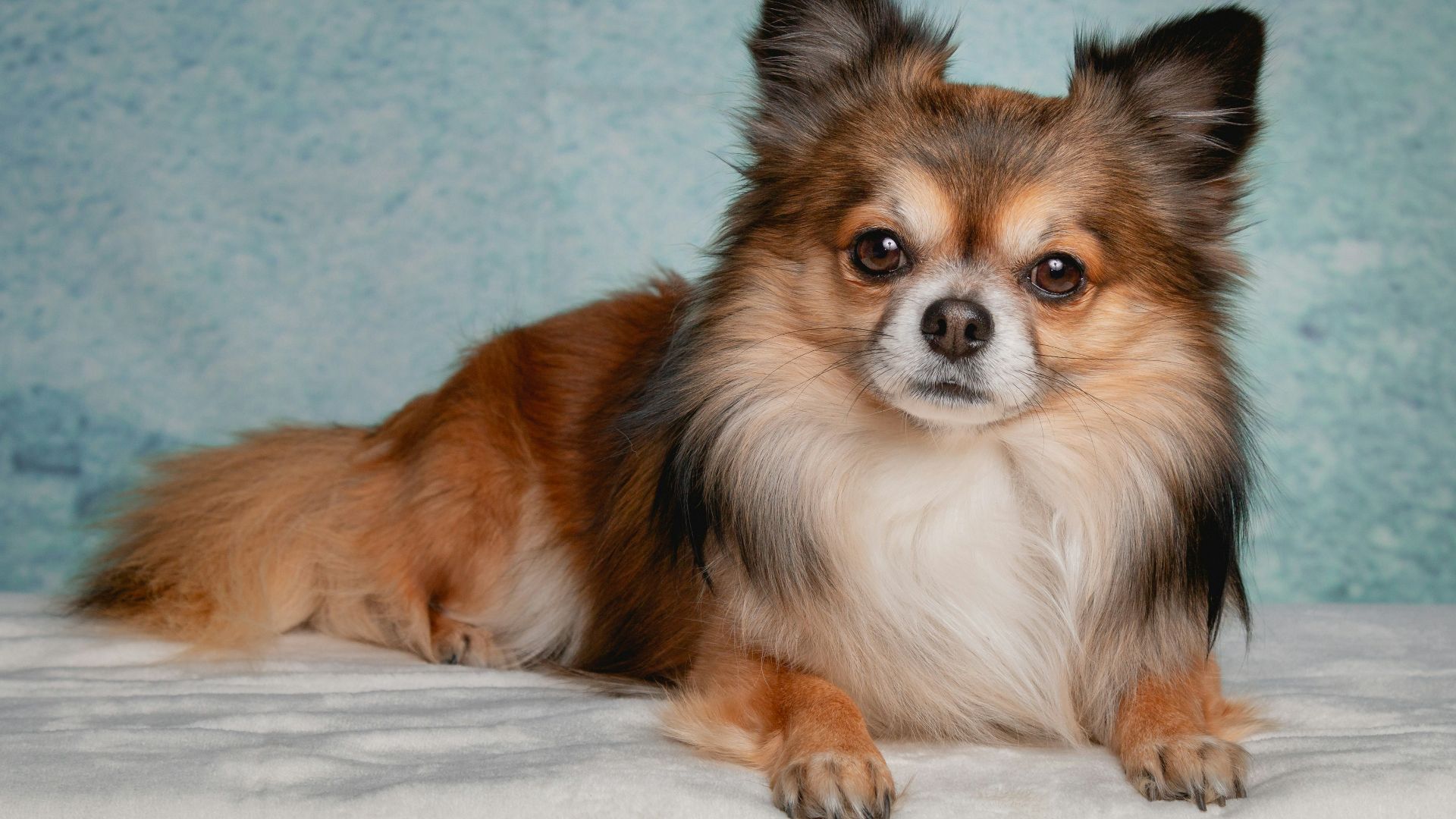
4. House Training May Take Longer
House training a small dog can sometimes be more difficult than people assume. Size doesn't correlate to ease of training after all! Their small bladders mean they often need more frequent bathroom breaks, especially when young. This can make accidents in the home more common during the training period.
5. Health Costs Can Add Up
Small dogs might eat less, but that doesn't mean they're inexpensive. These pups tend to be more prone to dental issues, joint concerns, and breed-specific health conditions that require regular attention. As a result, vet bills, grooming, and preventive care can quickly add up.