
Create Calm, Not Chaos
It’s never a good feeling when a pet and a child don’t immediately click. The awkwardness can not only make things more uncomfortable, but downright dangerous if things aren’t corrected. Animals and children both have strong boundaries, curious habits, and a talent for misunderstanding one another, but the good news is that with a bit of diplomacy, you can improve the relationship without turning your living room into a peace summit.
Create Space for Everyone
Make sure your pet has a safe place to retreat. Whether it’s a bed in a quiet room or a tucked-away corner, that space should be off-limits to children. Pets get irritable when they’re overstimulated, so giving them an escape route can really reduce the tension quickly.
Teach Your Kids How to Approach Properly
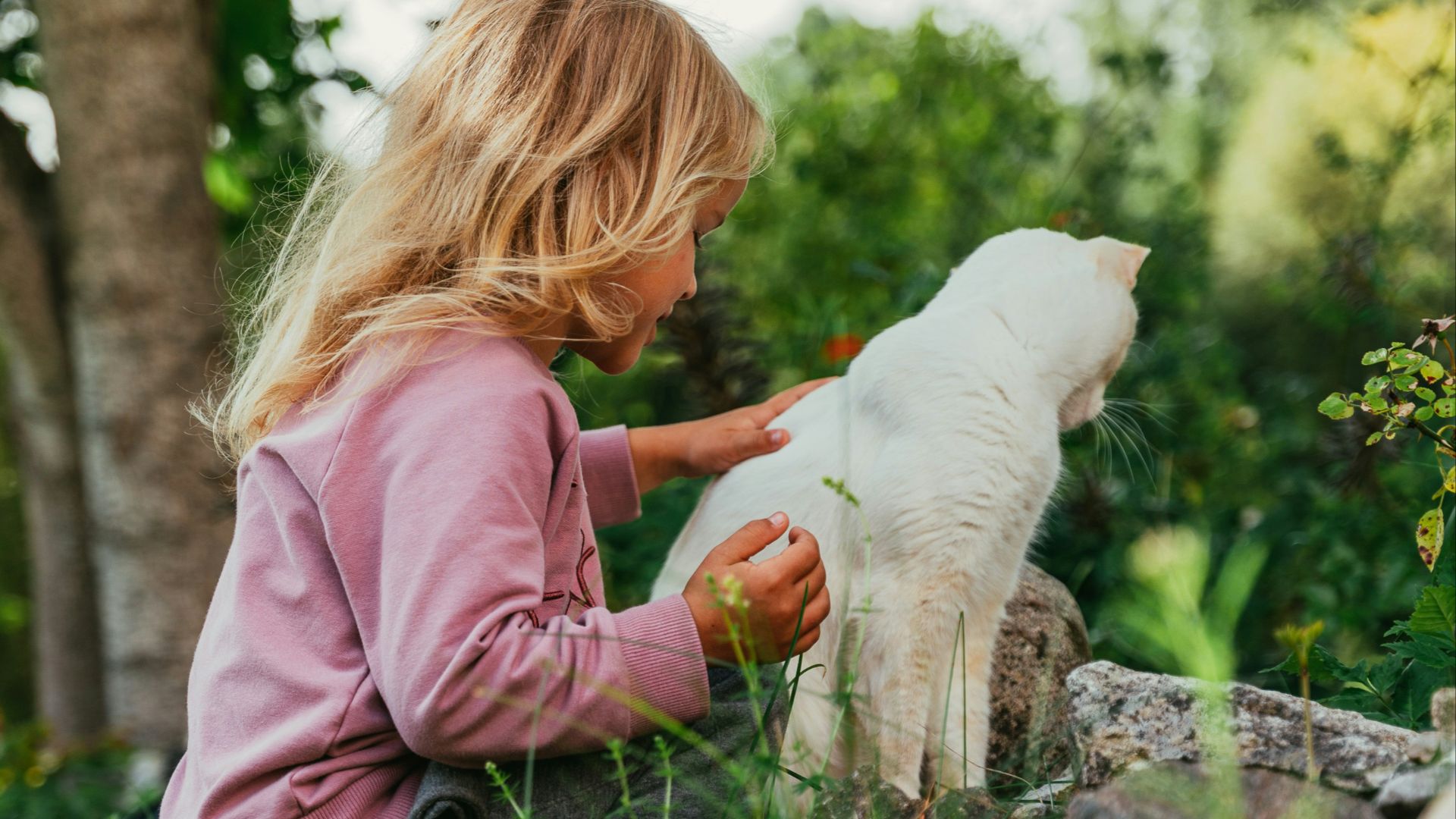
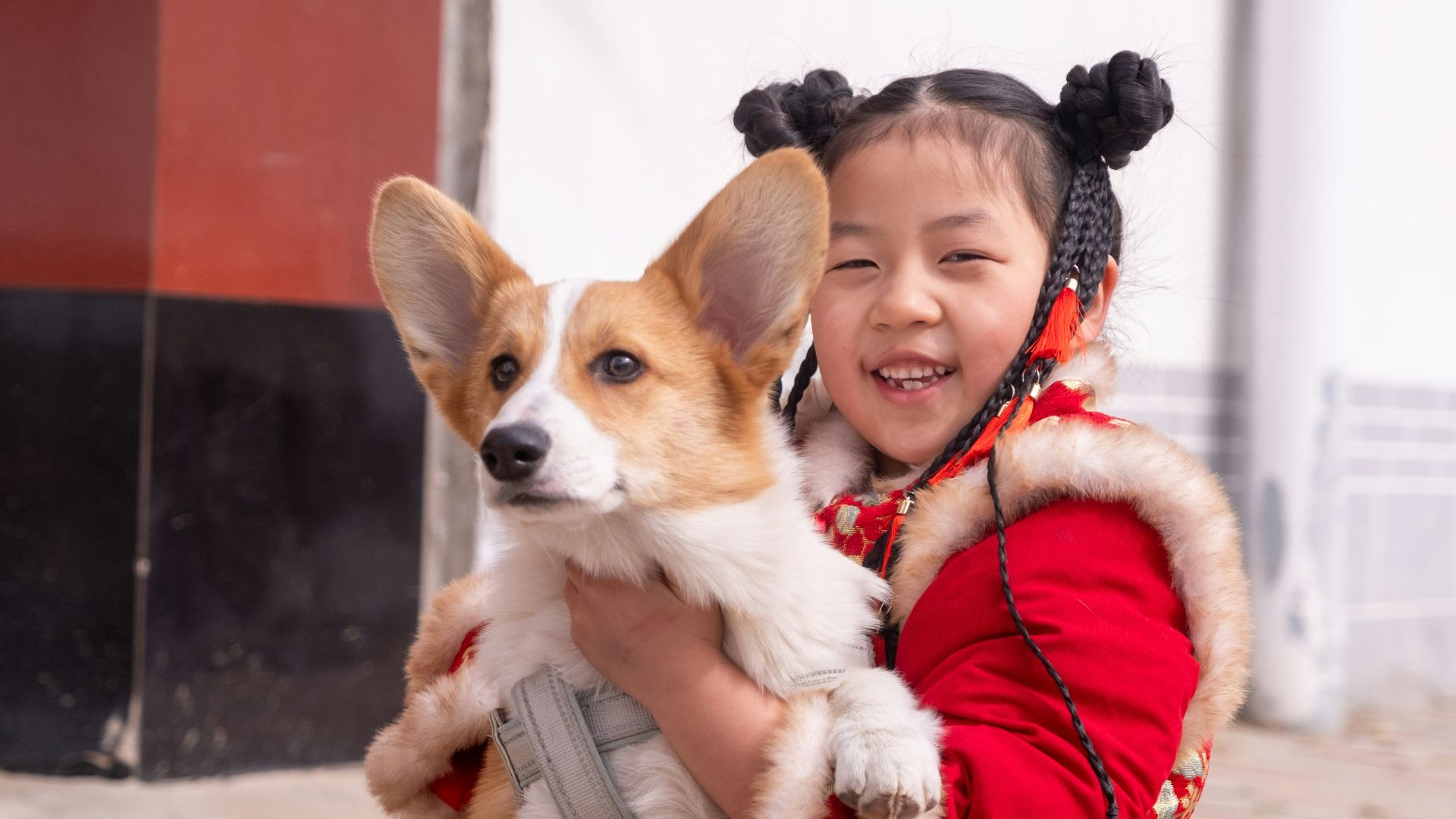
Children don’t always realize that what feels playful to them can feel like cornering for an animal. As the parent, you need to show them how to pet gently, speak softly, and avoid grabbing sensitive areas, like tails, ears, or paws.
Watch for Stress Signals
Pets usually give warnings before they act defensively, but they can actually be easy to miss if you’re distracted. Keep an eye out for common warnings, like a tucked tail, flattened ears, growling, or sudden withdrawal.
Build Positive Moments
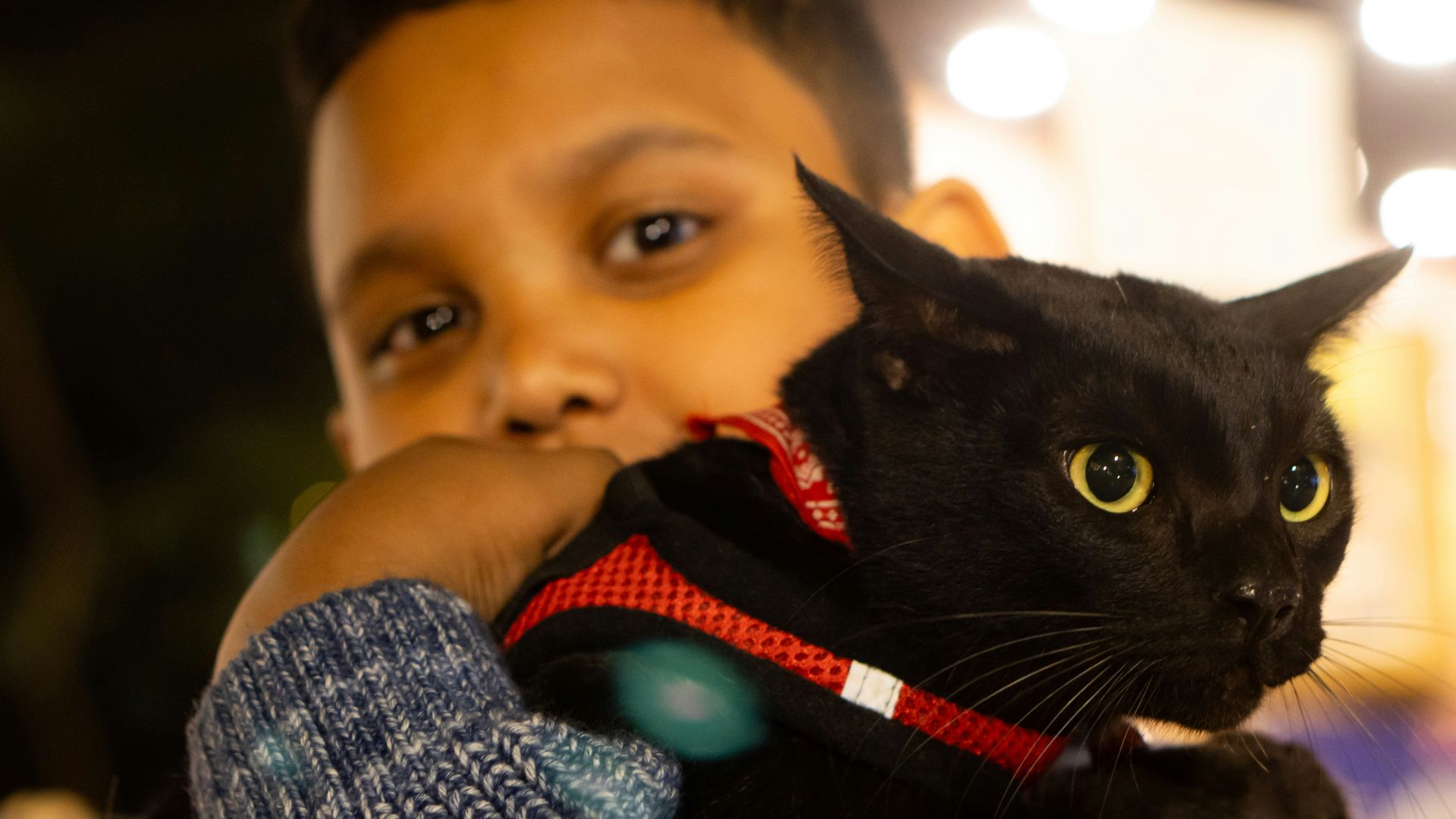
It’s better to encourage short, successful interactions than force long bonding sessions that both parties hate. Let your child toss treats. Allow them to help with feeding. Encourage them to sit nearby during calm moments. That way, your pet associates them with good things.
Ask for Professional Help
If the tension continues, and especially if it escalates, there’s no shame in recruiting a veterinarian or qualified animal behaviorist. There may be deeper behavioral issues affecting your pet, so getting expert advice is sensible. Sometimes the smartest thing you can do for family harmony is let a professional handle the situation.