When Feathers Feel Unsettling
Most birds are easy to appreciate because they’re colorful, musical, or simply pleasant to watch. Every so often, though, you run into a species that looks like it was designed to make you take a step back, even if it’s perfectly harmless. If you enjoy wildlife with a side of unease, these are five kinds of birds that can feel downright creepy!
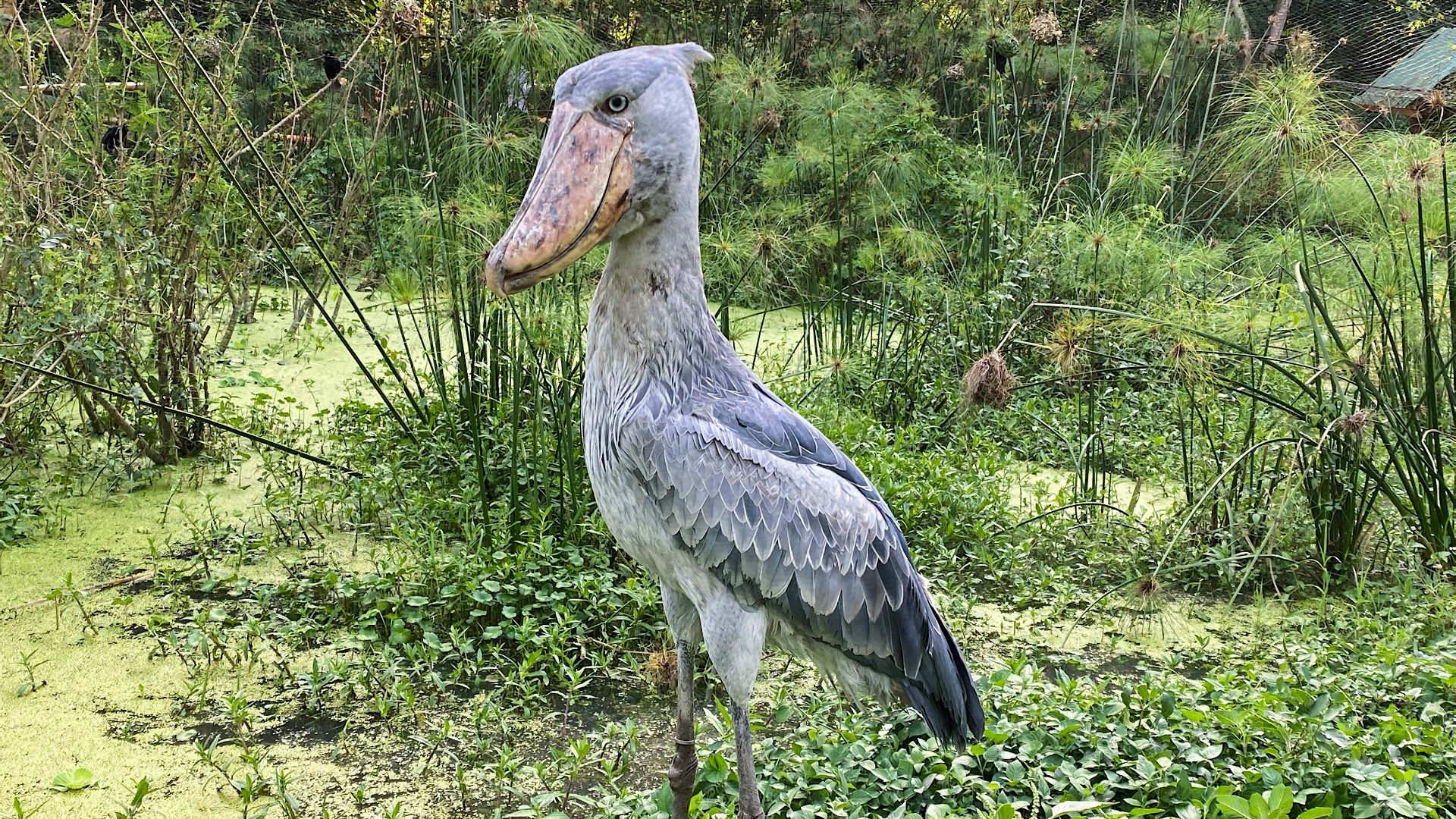
Shoebill Stork
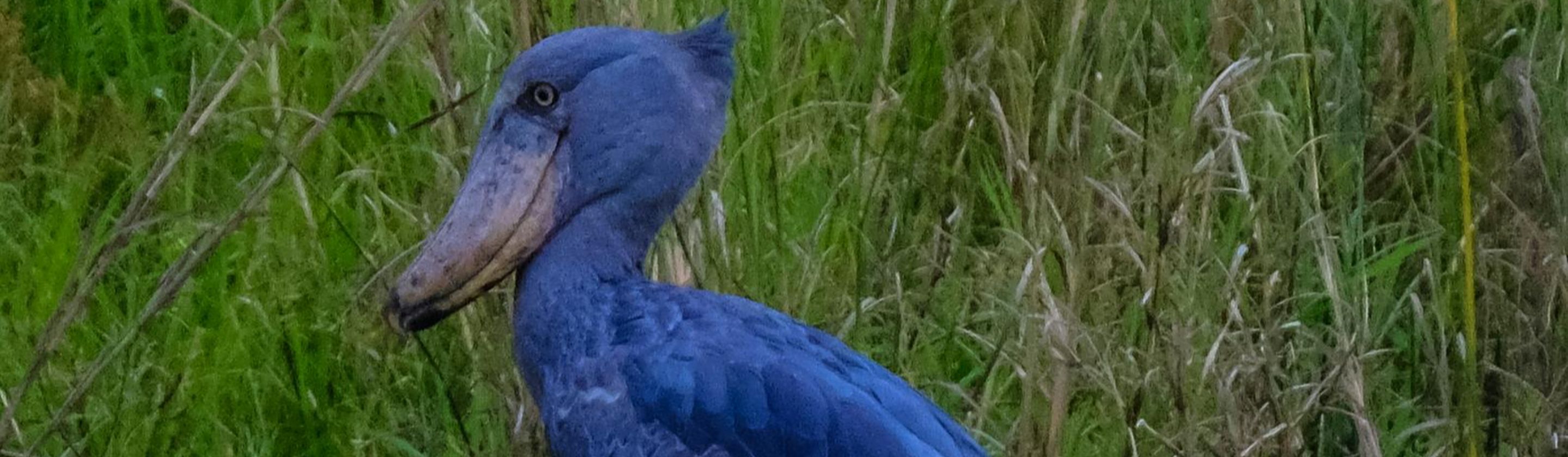
The shoebill’s towering height and oversized bill give it a prehistoric vibe that’s hard to shake once you’ve seen it. It also has a habit of standing motionless for long stretches, which makes it even weirder. When it finally moves, the suddenness can be startling, especially if you weren’t expecting such a powerful lunge.
Oilbird
Oilbirds live in caves, navigate in darkness, and communicate with harsh, echoing calls that sound more haunting than melodic. Should you hear them without context, you might assume you’ve wandered into a place you shouldn’t be. And who could blame you?
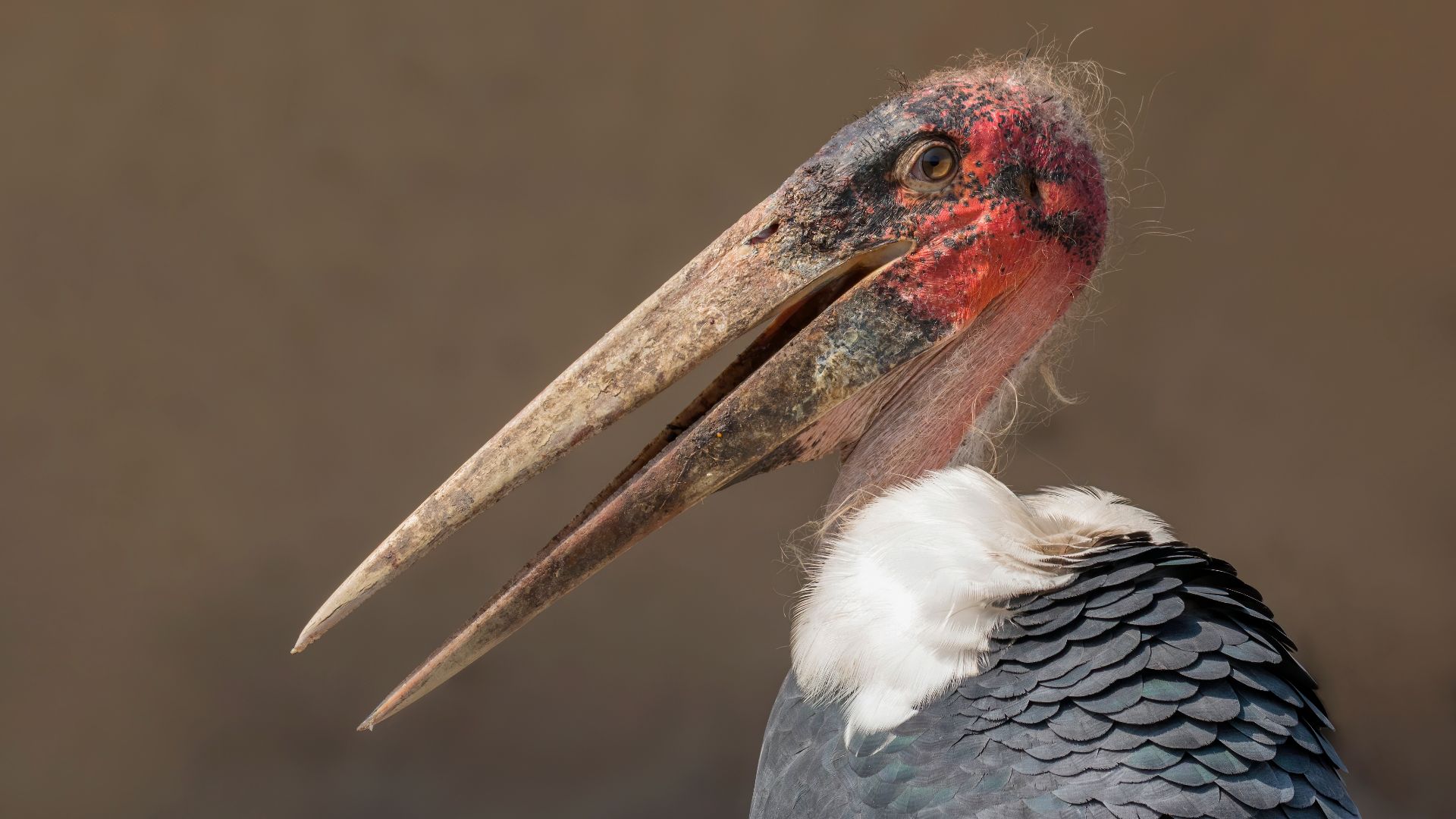
Marabou Stork
With its bald head, heavy build, and unapologetically scavenging lifestyle, the marabou stork doesn’t try to be charming. It often shows up where there’s mess to clean up, and it looks entirely comfortable doing it.
Tawny Frogmouth
This one’s wide mouth and intense camouflage can make it look oddly unnatural when you finally notice it. It prefers to freeze in place and rely on stillness, so you might stare right at it and miss it until it blinks. Sure enough, that delayed realization tends to give you a quick jolt.
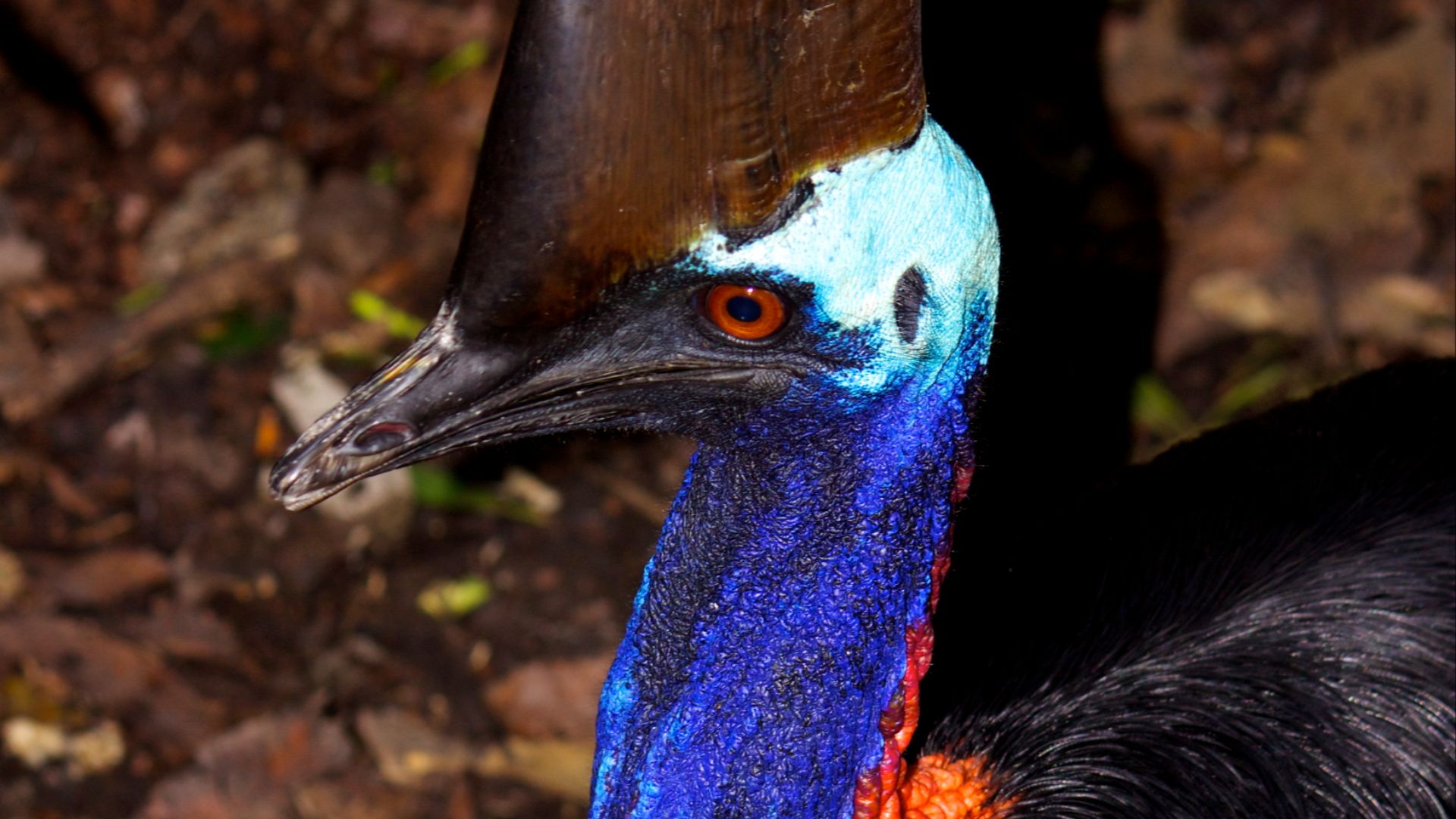
Southern Cassowary
Cassowaries look dramatic in a way that’s both fascinating and slightly alarming, thanks to their helmet-like casque and piercing presence. They’re also famously defensive when threatened, so you can’t treat them like a casual photo opportunity. If you ever meet one in the wild, you’ll understand immediately why people respect them from a distance.