I Watched My Grandkids Every Saturday While My Son 'Fixed' His Marriage—Then His Therapist Called
I Watched My Grandkids Every Saturday While My Son 'Fixed' His Marriage—Then His Therapist Called
The Kitchen Table Conversation
They came on a Tuesday evening, which should have told me something — Michael never dropped by on weeknights without calling first. He and Jenna sat across from me at the kitchen table, hands wrapped around mugs of coffee they barely touched, and I could see right away that something had been wearing on them for a while. Michael's knuckles were white against the ceramic. Jenna sat with her back very straight, the way she does when she's holding herself together by sheer will. They told me they'd been drifting — that the stress of work and the kids and just the daily grind of everything had pulled them apart in ways they hadn't noticed until it was almost too late. They'd found a counselor, they said, someone highly recommended who ran intensive Saturday morning sessions. What they needed from me was simple: could I take Sophie and Ben every Saturday morning while they went? I didn't hesitate for a single second. Of course I would. These were my son and my daughter-in-law sitting in front of me, asking for help saving their marriage, and there was nothing in the world I wouldn't do for that. After they left, I sat at the table a long time, the weight of how much they were carrying settling quietly into my chest.
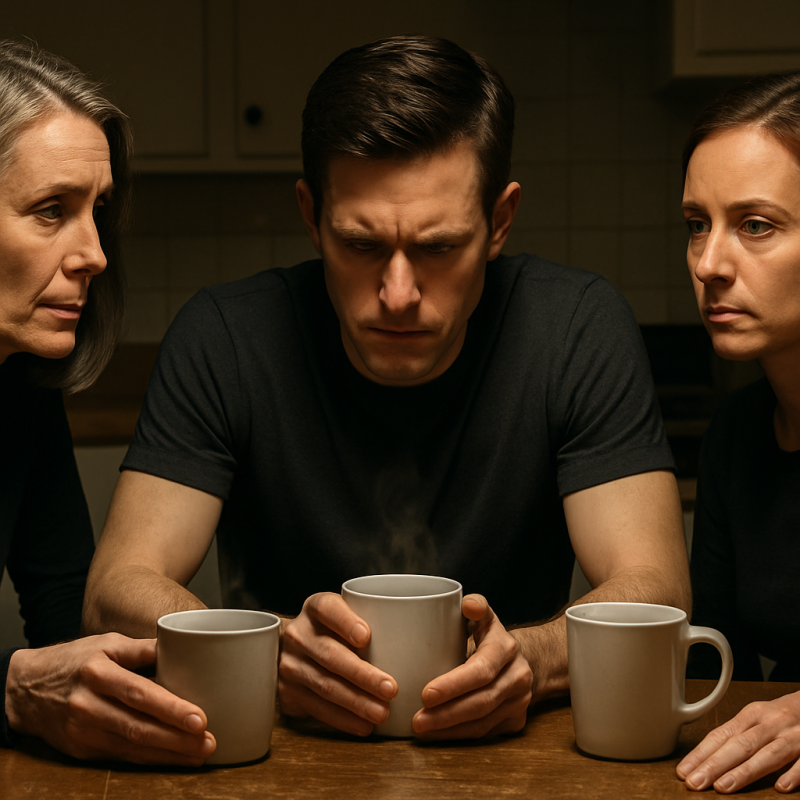 Image by RM AI
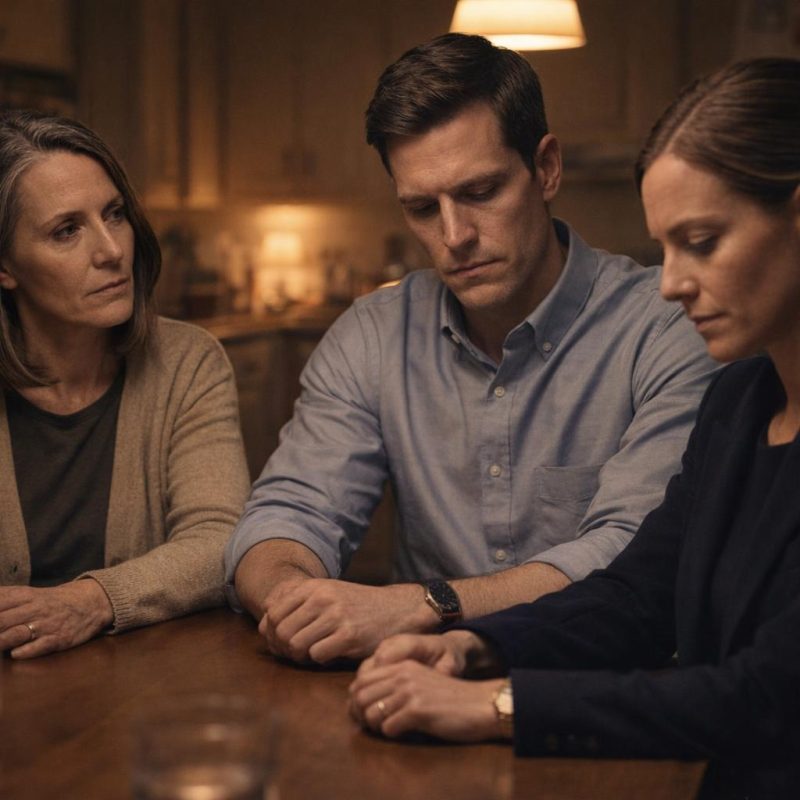 Image by RM AI
The Promise
The next morning I stood in the kitchen with my planner open and started crossing things out. A standing lunch with Carol on the second Saturday of the month — I called her and explained, and she understood immediately, the way good friends do. A garden club meeting I'd been looking forward to. A few other small commitments that suddenly seemed very small indeed. I restocked the pantry with the things I knew the children loved — the little fish-shaped crackers Ben couldn't get enough of, the specific brand of apple juice Sophie always asked for, the good cocoa for cold mornings. I pulled the old craft bin out of the hall closet and set it on the low shelf in the living room where Sophie could reach it easily. I found a basket for Ben's toy cars and put it near the couch. I moved the coffee table so there was more floor space for playing. Every small adjustment felt like something I was building — a place where those two children could land softly every Saturday while their parents did the hard work of finding their way back to each other. When I finally sat down that evening, I opened the kitchen calendar to the coming Saturday and drew a small star in the corner of the square.
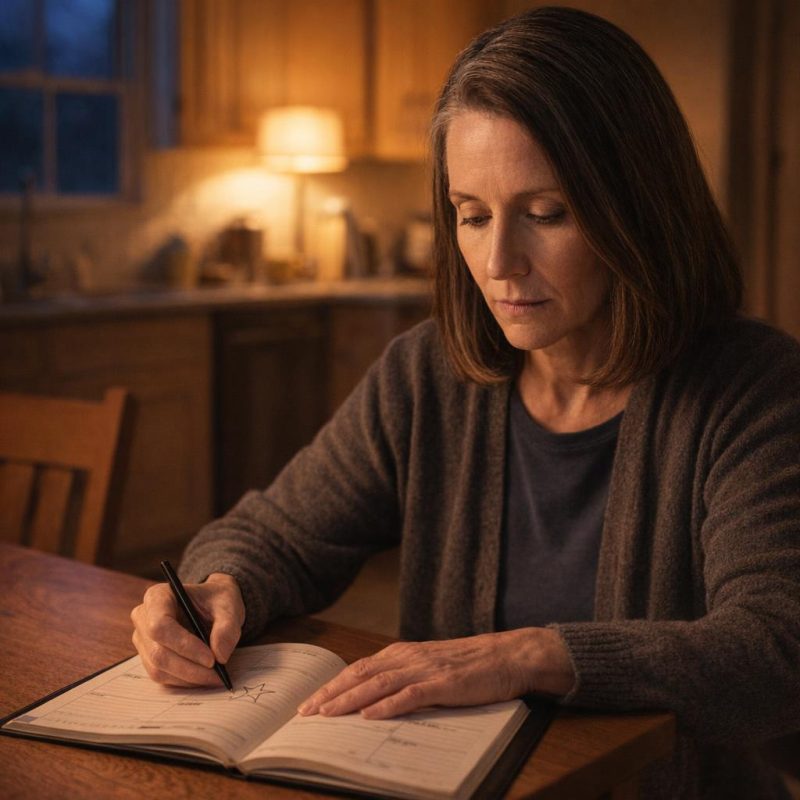 Image by RM AI
First Saturday
They arrived just after eight, the car pulling into the driveway while the morning was still cool and gray at the edges. Michael looked like he hadn't slept well — the shadows under his eyes were deeper than I'd seen in a while, and he moved with that careful, contained energy of someone trying not to show how tired he was. Jenna was brisk and efficient, unbuckling Ben from his car seat with practiced speed, handing me his little backpack without quite meeting my eyes. Sophie came through the front door first, already talking, her stuffed rabbit tucked under one arm and her weekend bag bumping against her hip. Ben followed, round-cheeked and quiet, clutching a toy truck he refused to put down even to take off his jacket. I had the kitchen table set up with crayons and a big sheet of paper, and Sophie went straight to it like she'd been coming here every Saturday her whole life. I got Ben settled on the couch with his blanket and the truck and a cartoon he liked, and by the time I looked up, Michael and Jenna were already at the door, saying quick goodbyes, their voices soft and careful. The door clicked shut behind them. The house settled into its new Saturday quiet, and it felt, in that moment, exactly like something beginning.
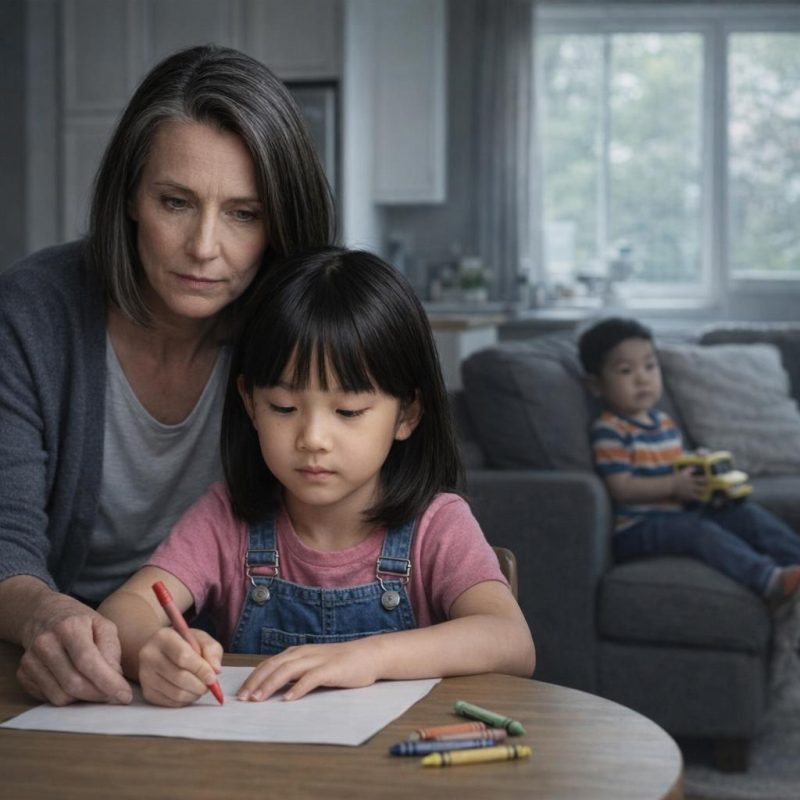 Image by RM AI
The Passenger Door
I wasn't going to watch them leave — I had Ben's juice to pour and Sophie was already asking me something about her drawing — but something made me cross to the front window anyway. They were walking across the driveway side by side, not holding hands, a few inches of space between them that felt deliberate in the way that distance between two people who know each other very well can feel deliberate. Then Michael went around to the passenger side first and opened the door for Jenna before walking to his own side. It was such a small thing. Such an ordinary thing, really. But I stood there at the window and felt something loosen in my chest, because I couldn't remember the last time I'd seen him do that. It was the kind of gesture that doesn't come from habit — it comes from trying. From deciding, consciously, to be the person you want to be for someone. The car backed out slowly and turned onto the street, and I watched until it disappeared around the corner. They had sat close enough in the front seat that I could see their silhouettes through the rear window — side by side, not quite touching, but there, together, moving in the same direction. I went back to the children feeling something I hadn't felt in months when I thought about my son's marriage: a quiet, careful hope.
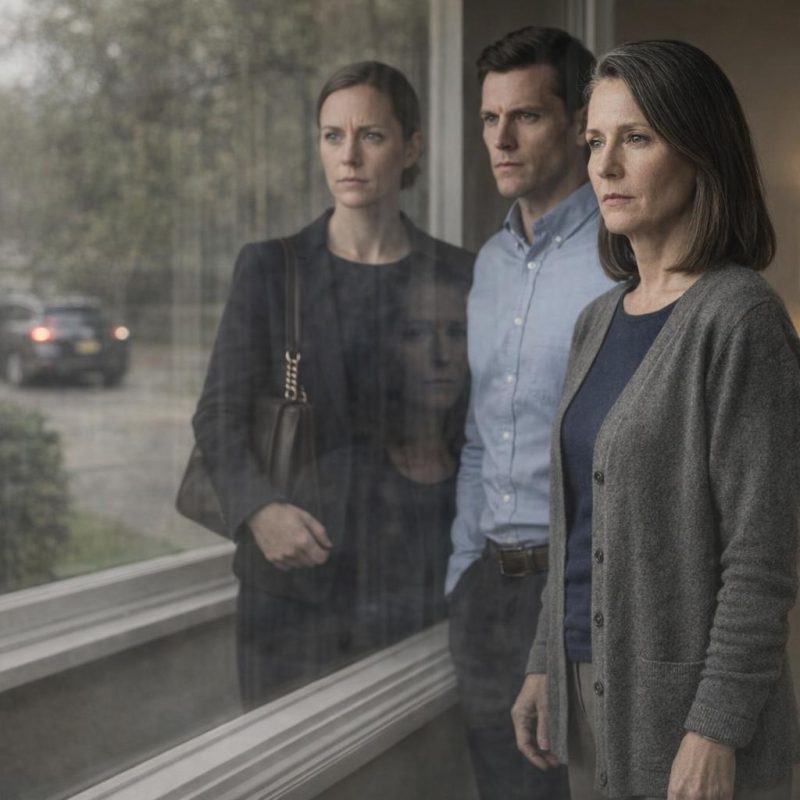 Image by RM AI
The Morning Rhythm
By the second Saturday I had it figured out. Sophie liked her eggs scrambled soft, not dry, with a little cheese melted in at the end — she'd told me this with great seriousness the first week and I'd made a mental note I intended to keep. Ben would watch exactly one episode of his cartoon before losing interest and migrating to the floor with his cars, at which point the television could be turned off entirely and he wouldn't notice. I learned that Sophie liked to narrate whatever she was drawing, a running commentary that required only occasional responses from me, and that Ben was happiest when I sat nearby without hovering, close enough that he could look up and find me there. We fell into a rhythm that felt, after only a couple of weeks, like something we'd always done. I was proud of that — proud of how quickly I'd learned what they needed, proud that the mornings ran smoothly and the children seemed genuinely content. I was washing up the egg pan one morning, half-listening to Sophie's monologue about her drawing, when she went quiet for a moment and then asked, in the same easy, conversational tone she used for everything, when Mommy and Daddy would be done talking to the lady.
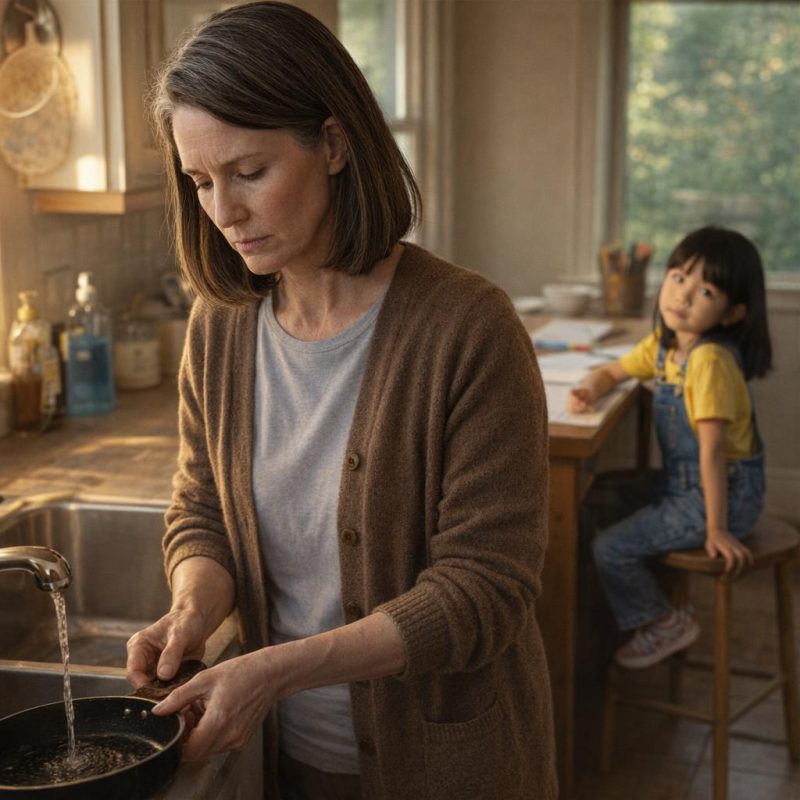 Image by RM AI
Third Saturday
By the third Saturday, I barely had to think about any of it. The fish crackers were already in a bowl on the low table before they arrived. The cartoon was queued up. The craft bin was open. When the car pulled into the driveway that morning, Sophie was out before Michael had fully stopped, her backpack bouncing, already calling out to me from the front walk. Ben came next, truck in hand as always, and he walked straight to the couch and climbed up like it was his own living room — because, I suppose, by then it was. There were no tears. No clinging to Michael's leg, no anxious looks at the door after Jenna left. Michael and Jenna said their goodbyes quickly, the way people do when they trust that everything is in good hands, and then they were gone. I stood in the hallway for a moment after the door closed, listening to Sophie already explaining something to Ben in the living room, her voice bright and certain. What struck me, standing there, was how completely the children had accepted this as simply the way Saturdays were now — no adjustment, no resistance, just easy, unquestioning comfort, as though this had always been the shape of their week.
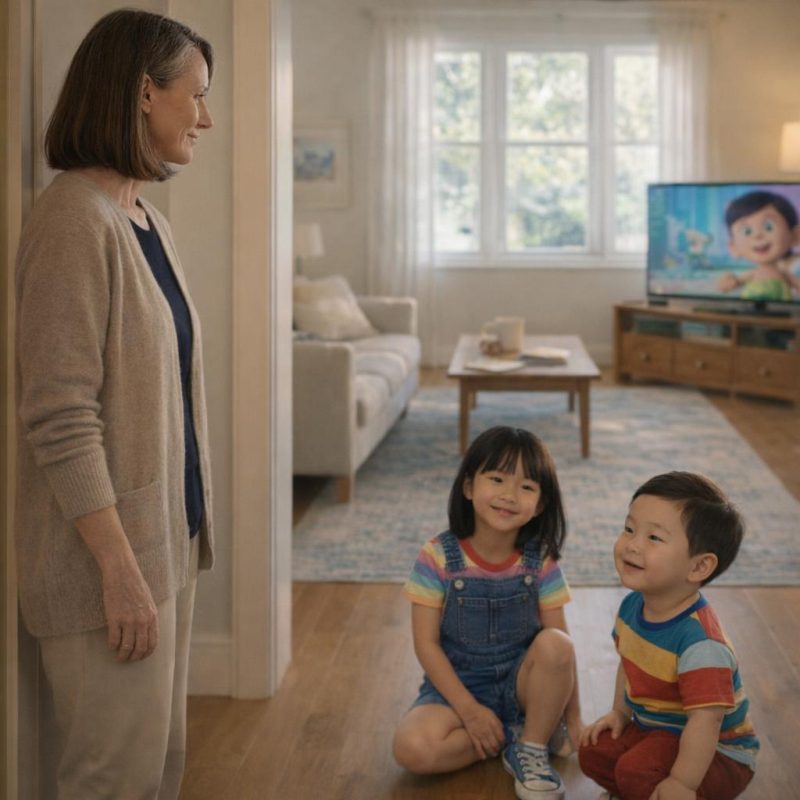 Image by RM AI
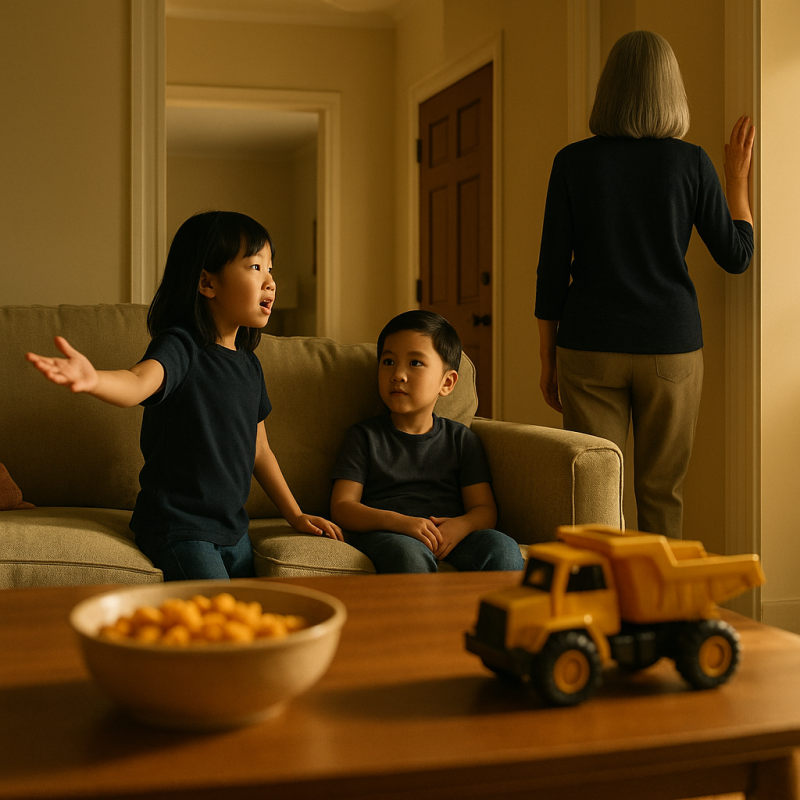 Image by RM AI
Noon Return
They came back right around noon, as they always did, and I could see from the front door that the morning had taken something out of them. Michael looked hollowed out in a way that went beyond tired — the kind of spent that comes from being asked to look at hard things for several hours straight. Jenna was quieter than usual, her movements slower, the brisk efficiency of the morning drop-off replaced by something heavier. I didn't ask. I'd made that decision early on — that whatever happened in those sessions was theirs, and my job was simply to make sure the children were fed and happy and ready to go home. I told Michael the kids had been wonderful, which was true, and he gave me a thank-you that came out a little rough around the edges, like he didn't quite have the energy to smooth it. Jenna managed a small smile. I helped gather the backpacks and the stuffed rabbit and Ben's truck, and I walked them out to the front step. The afternoon light was flat and pale. I stood in the doorway and watched them move toward the car — Michael opening the back door for Sophie, Jenna lifting Ben to his car seat — and when they finally got in themselves, neither of them looked at the other.
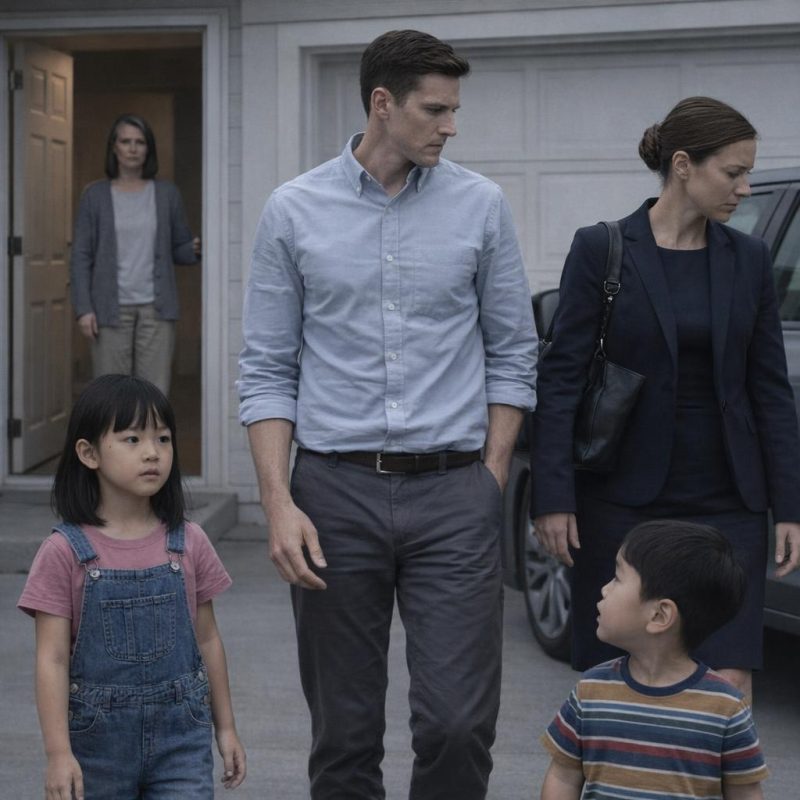 Image by RM AI
Respecting Boundaries
I thought about it sometimes, standing at the sink after they'd gone — whether I should ask how things were going, whether a gentle question would be welcome or intrusive. Every time, I came back to the same answer. Therapy was private. What Michael and Jenna were working through belonged to them, and the most respectful thing I could do was hold the space they needed without filling it with my own curiosity. My mother had been a woman who asked too many questions at the wrong moments, and I had spent enough of my own life wishing for room to breathe that I knew, in my bones, what it felt like to need that room. So I didn't ask. I washed the breakfast dishes, dried them, put them away. I wiped down the kitchen table where Sophie had left a faint smear of crayon wax. I straightened the craft bin and tucked Ben's blanket back over the arm of the couch. And then the house was quiet — genuinely, completely quiet — in the way it only gets after children have been in it and then gone. It was a good quiet. The kind that felt like something earned, something given freely and without condition, and I stood in it for a moment before going about the rest of my day.
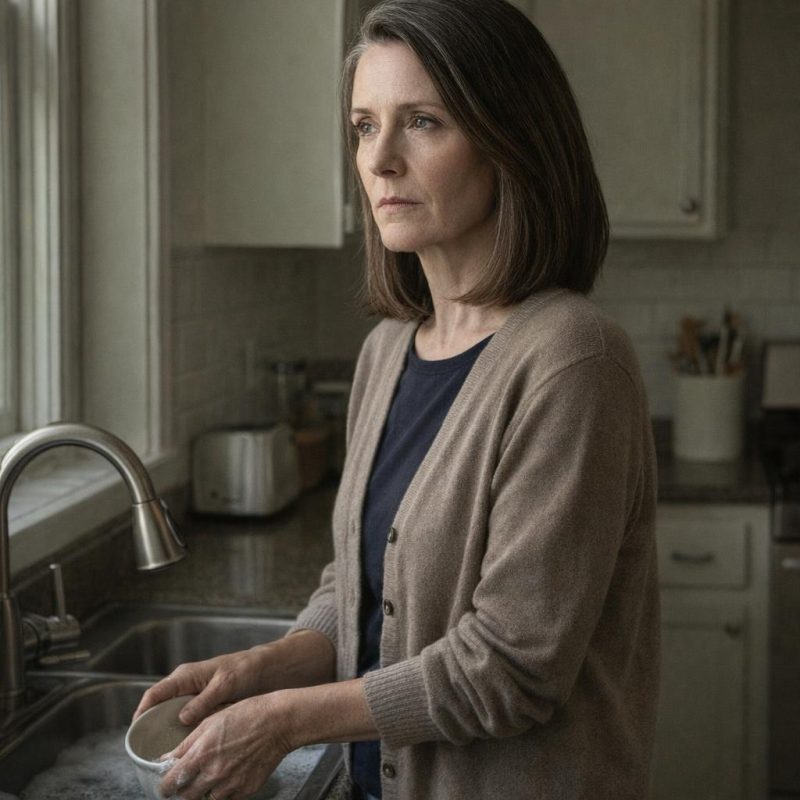 Image by RM AI
The Calendar Stars
I'm not sure exactly when I started doing it, but somewhere around the third or fourth Saturday, I picked up the pen sitting beside the kitchen calendar and drew a small star in the corner of the date. It wasn't a grand gesture. Just a little five-pointed mark, the kind you'd make without thinking. But when I stepped back and looked at it, something settled in my chest in a way I hadn't expected. The following Saturday, I drew another one. And then another. By the end of the first month, there was a small cluster of them running across the page, and I found myself pausing each Sunday morning to look at them before I put the kettle on. They were mine, in a way — a quiet record of something I was doing that no one had asked me to track or celebrate. I didn't need anyone to notice. That was the thing about this kind of help: it didn't come with applause. It came with early mornings and craft supplies and the particular exhaustion of keeping two small children happily occupied for hours at a stretch. The stars just made it visible to me, in the privacy of my own kitchen. I would stand there with my tea going warm in my hands, looking at that small, growing constellation, and feel something I could only call right.
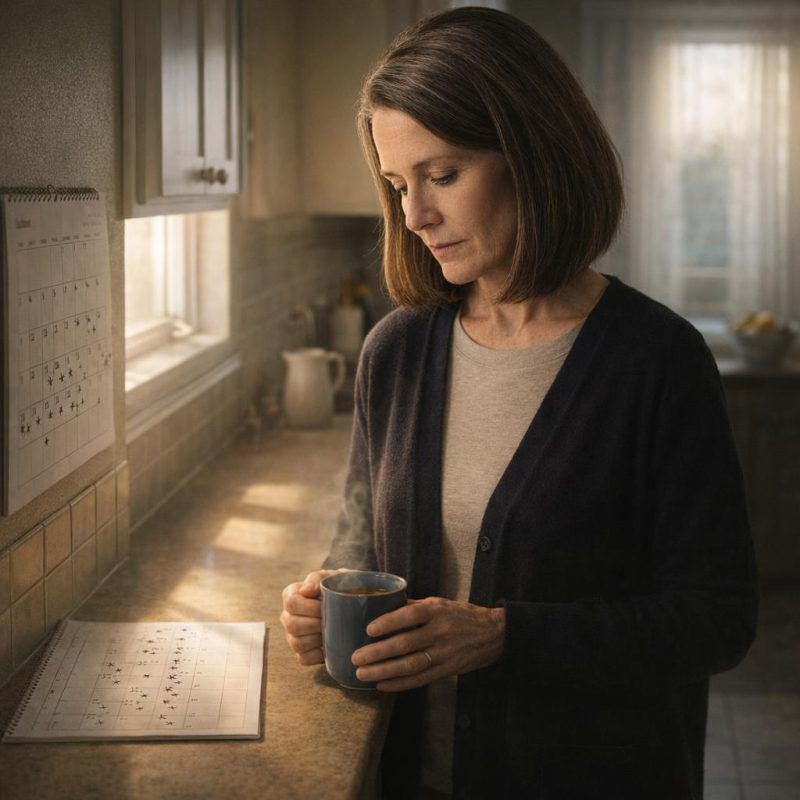 Image by RM AI
Four Months
I flipped back through the calendar one evening in late autumn, running my finger across the pages, counting. Sixteen stars. Four months of Saturdays, give or take the one weekend Michael and Jenna had taken the children to visit her parents and I'd had the day unexpectedly to myself. I'd barely known what to do with it. Sixteen Saturdays felt like something worth noting. I knew couples who had tried counseling once or twice, decided it was too uncomfortable or too expensive or simply too much work, and quietly let the whole effort dissolve. I'd watched it happen with neighbors, with friends of friends, with people who had every reason to keep trying and simply couldn't sustain the effort past the first few difficult sessions. Michael and Jenna hadn't done that. Week after week, they had shown up. Whatever they were working through in that room, they were still working through it, still choosing to go back, still treating their marriage as something worth the trouble of repair. I thought about that as I closed the calendar and set it back on the counter. Most people, when things got hard enough, eventually stopped showing up. My son and my daughter-in-law hadn't stopped.
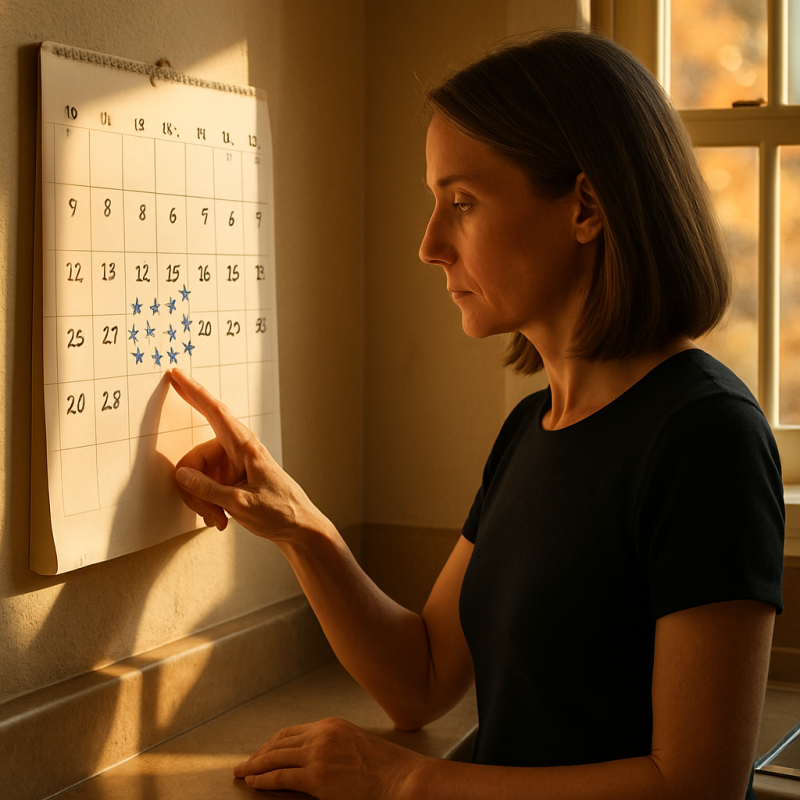 Image by RM AI
Less Guarded
I noticed it first in the way Michael held his shoulders when he came to collect the children. For months, there had been a particular set to them — a careful, braced quality, like a man carrying something he didn't want to spill. That evening in early November, it was different. He came through the door and crouched down to catch Ben, who had toddled toward him at full speed, and when he straightened up there was an ease to it that I hadn't seen in a long time. His voice was warmer too, less clipped at the edges. He asked Sophie about the painting she'd made that afternoon and actually listened to her answer instead of nodding through it. Jenna was waiting by the car, and I watched him help Ben with his jacket without the tight-jawed efficiency that had become so familiar. I didn't say anything about it. It wasn't my place to comment on a man's posture or the quality of his attention. But I felt it, the way you feel a change in weather before you can name it. When he turned to go, he paused at the door and said, quietly, that he didn't know what he'd do without me. The softness in his expression when he said it stayed with me long after the car had pulled away.
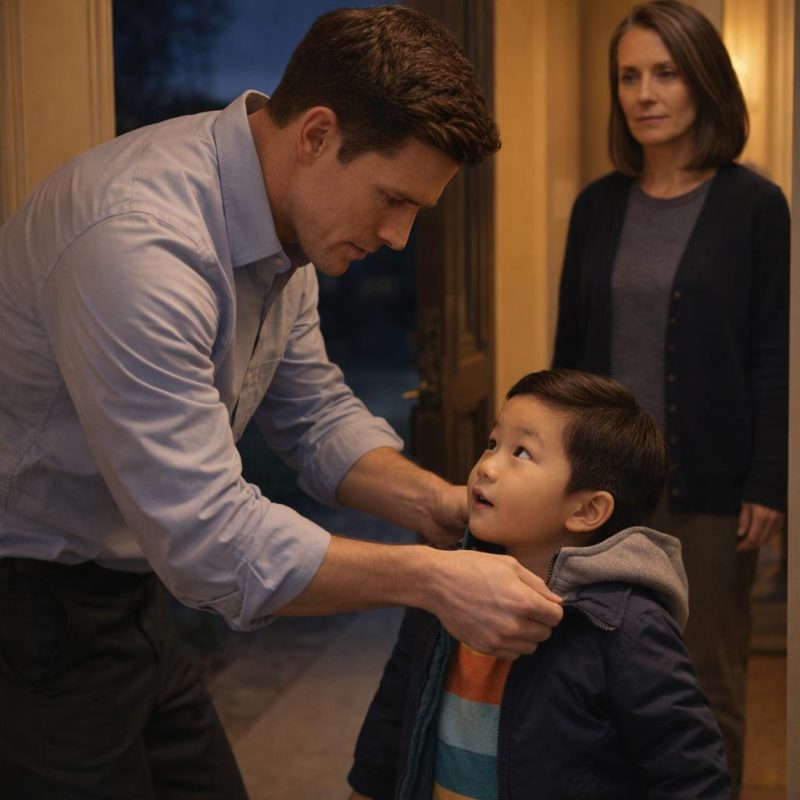 Image by RM AI
Jenna's Laughter
It was Sophie who started it, the way Sophie usually started things — with a story that had no particular beginning and required no particular audience. She was telling us about a bird she'd seen on the walk from the car, a fat gray one that had looked at her, she said, like it knew her personally. Jenna laughed. Not a polite laugh, not the careful, managed kind I'd grown used to hearing from her over the past year — a real one, sudden and unguarded, the kind that catches in the throat a little before it comes out. I hadn't heard that laugh in a long time. I stood there holding Ben's jacket and felt something loosen in my chest that I hadn't realized was still pulled tight. It was such a small thing, a laugh at a bird story, but it landed on me like news. Jenna looked younger when she laughed like that. She looked like the woman who had sat across from me at their kitchen table years ago and told me, with that same unguarded brightness, that she and Michael had gotten engaged. I was still holding that feeling when I glanced over and caught Michael and Jenna exchanging a brief look — quick, private, gone almost before I registered it.
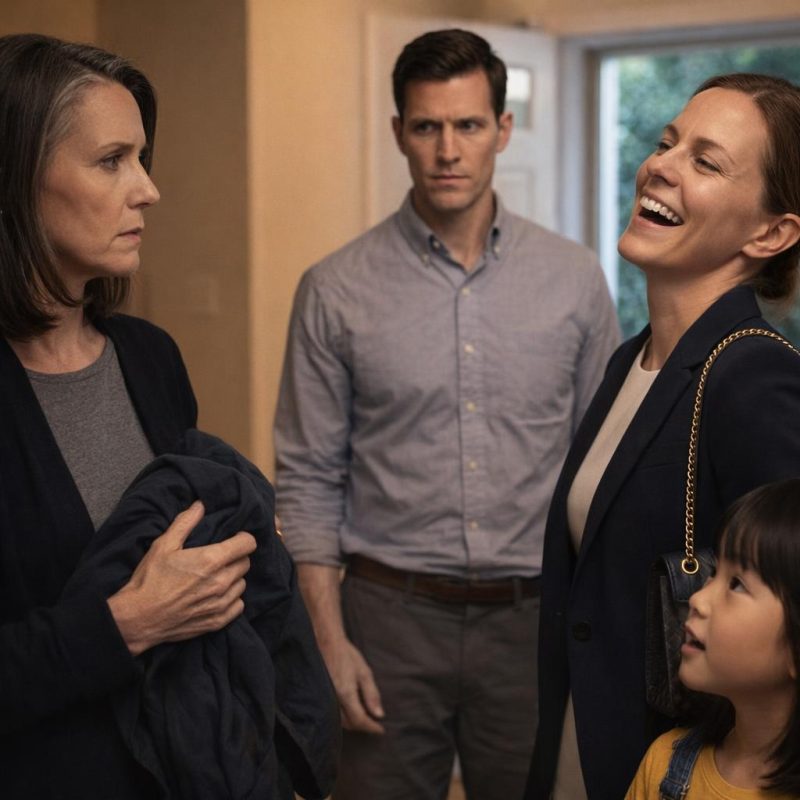 Image by RM AI
Communication Exercises
It came up almost by accident, the way these things sometimes do. Michael had come in to help carry Ben's bag, and Jenna was saying something about the week ahead, and somehow the conversation turned, briefly, to how things were going. I hadn't asked directly — I never did — but Michael mentioned, in an offhand way, that they'd been working on communication exercises. Jenna added that they were learning to hear each other differently, which was how she put it exactly: hear each other differently. I turned that phrase over in my mind and found it satisfying in a way I couldn't entirely explain. It sounded like real work. It sounded like the kind of language that comes from sitting across from a professional who knows how to name things you've been feeling but couldn't articulate. I didn't ask what the exercises involved. That would have been prying, and besides, I didn't need the specifics to feel reassured. The fact that they had language for it — that they could stand in my hallway and describe their progress in terms that meant something — was enough. I nodded and said that sounded like good, hard work, and Michael agreed that it was. After they left, I stood in the hallway for a moment, turning over the quiet, careful way they'd described what they were doing together.
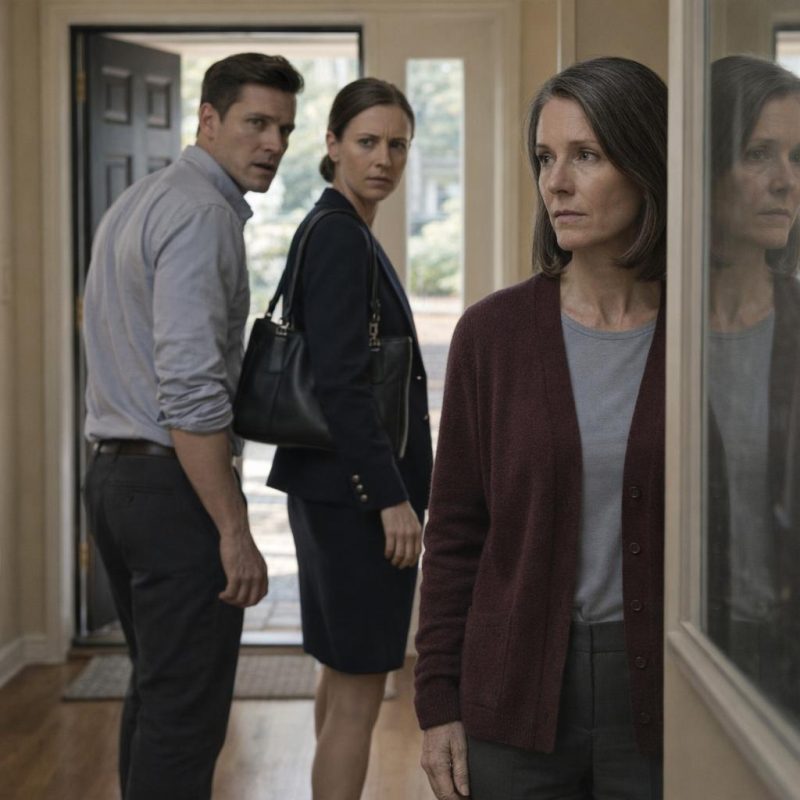 Image by RM AI
Sophie's Report
Sophie was at the kitchen table working on a drawing of what she informed me was a horse, though it bore a closer resemblance to a very confident rectangle with legs. Ben was on the living room rug with his blocks. It was an ordinary Saturday morning, unhurried and warm, and Sophie was narrating her drawing the way she narrated most things — a steady, cheerful stream of commentary that required very little response from me beyond the occasional sound of agreement. Then, without any particular preamble, she mentioned that her mom and dad talked more at dinner now. She said it the way she might say the sky was blue or that she preferred strawberry to grape — as simple fact, requiring no elaboration. I kept my hands busy with the biscuit dough I was rolling out and didn't ask her anything further. I didn't want to put questions in her mouth or make her feel she'd said something significant. But I held the words quietly as I worked. More talking at dinner. It was such a small, ordinary thing, and yet it was exactly the kind of small ordinary thing that meant the larger work was taking hold. I pressed the cutter into the dough and thought about how children report the world without knowing what they're reporting, and how much truth fits inside the innocent way Sophie had said it.
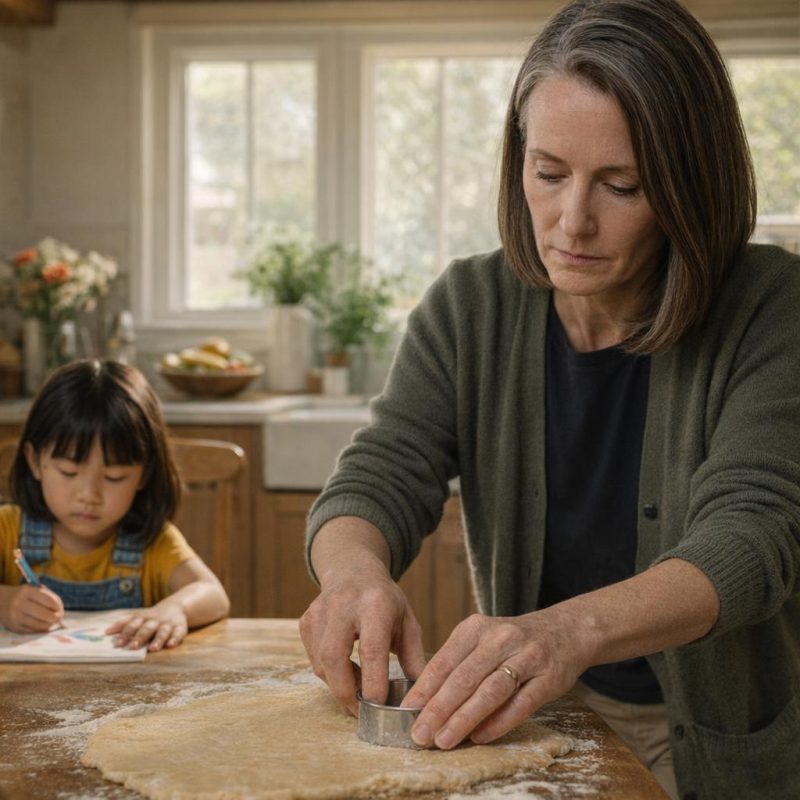 Image by RM AI
Six Months
I counted them on a Thursday evening, standing at the counter with my reading glasses on. Twenty-four stars. Six months of Saturdays, nearly unbroken, stretching back across the calendar pages in a trail that surprised me a little when I saw it laid out like that. I turned the pages slowly, month by month, and felt a quiet pride that had nothing to do with my own contribution and everything to do with theirs. Six months was not a small thing. Six months meant they had chosen, over and over again, to keep going. I thought about what that kind of sustained effort required — the scheduling, the willingness to sit in a room and be honest, the courage to come back the following week and do it again. I had enormous respect for it. I set the calendar down and made myself a cup of tea, and my mind drifted, the way it does in quiet evenings, to small and idle things. I found myself wondering, for just a moment, about the counselor — what kind of woman she was, what her office looked like, whether she had a calm voice or a brisk one. I wondered, briefly, what she looked like.
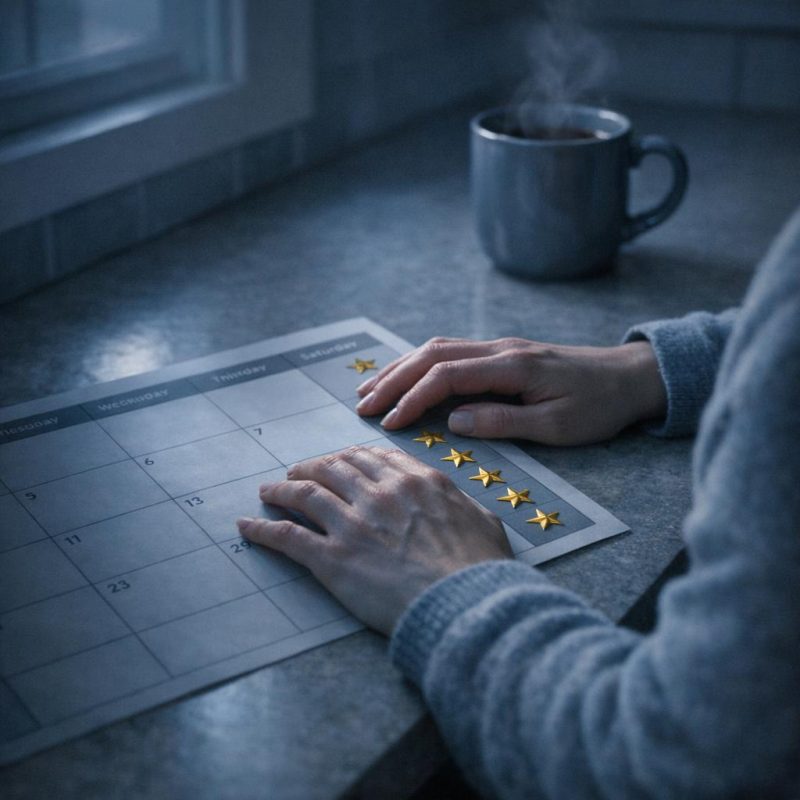 Image by RM AI
Sacrifices Made
The hair appointment had been on the books for six weeks. I'd made it in September, when the Saturdays still felt new enough that I'd forgotten to check the calendar before I called. When I finally looked and saw the conflict, I didn't hesitate. I called the salon, apologized to the woman who answered, and rescheduled for a Tuesday. It was only afterward, putting the phone down, that I paused and thought about how many times I'd done something like that. The garden club luncheon in October — I'd sent my regrets. Carol's invitation to a matinee in November — I'd told her I had a prior commitment, which was true, even if it wasn't the kind of commitment most people would have recognized as one. The follow-up appointment with my doctor that I'd been meaning to reschedule since August was still sitting on a notepad by the phone, unmoved. I pulled out the notepad and looked at it. Below the doctor's number, in my own handwriting, were two other things I'd been meaning to get to: the garden club's spring planning meeting and a dinner invitation from an old colleague. Each one had a small notation beside it — Saturday, check — and each one had been quietly set aside.
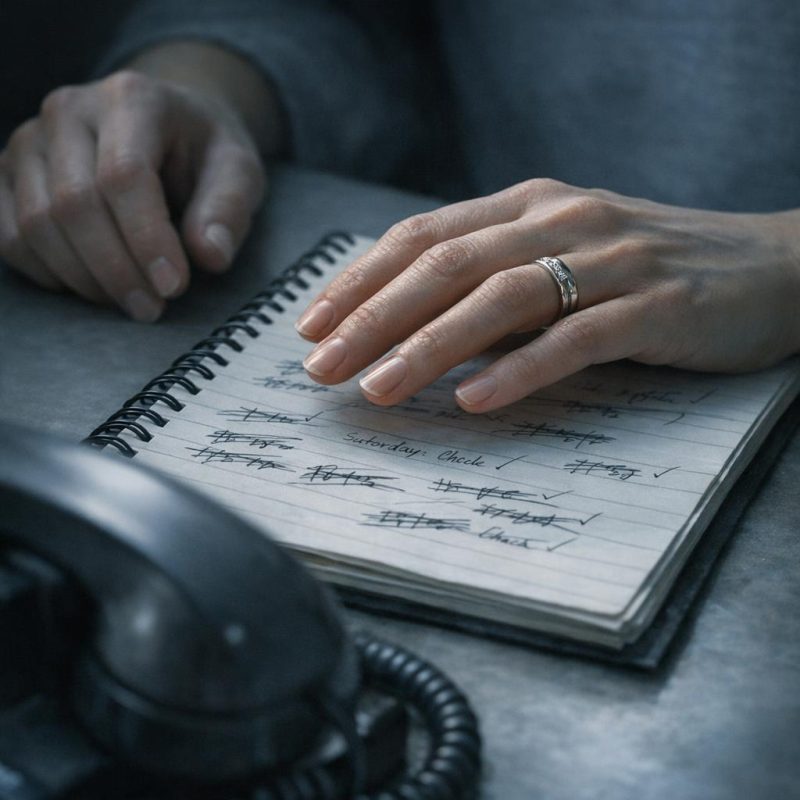 Image by RM AI
The Peaceful House
Michael and Jenna arrived at half past noon, right on schedule. I heard the car in the driveway before I saw it, and Sophie was already pulling on her jacket before I'd finished folding the last coloring page. Ben toddled toward the door with his arms out, and Michael scooped him up in one motion, easy and practiced. There were the usual exchanges — did they eat, yes, did Ben nap, a little, did Sophie give you any trouble, never — and then they were gone, the door clicking shut behind them, the house going quiet all at once. I stood in the front room for a moment and just let it settle. The coloring pages were still spread across the coffee table, Sophie's careful crayon work on one, Ben's enthusiastic scribbling on another. A stuffed rabbit sat sideways against the couch cushion where Ben had left it. I gathered a few things slowly, not in any hurry. This was the part of Saturday I had come to love almost as much as the morning itself — the particular quiet that followed, the kind that meant something had happened here, that the rooms had been used and filled and now were resting. I carried a few toys back to the basket by the bookshelf. Then I turned around, and there were the two juice cups still sitting on the table where the children had left them.
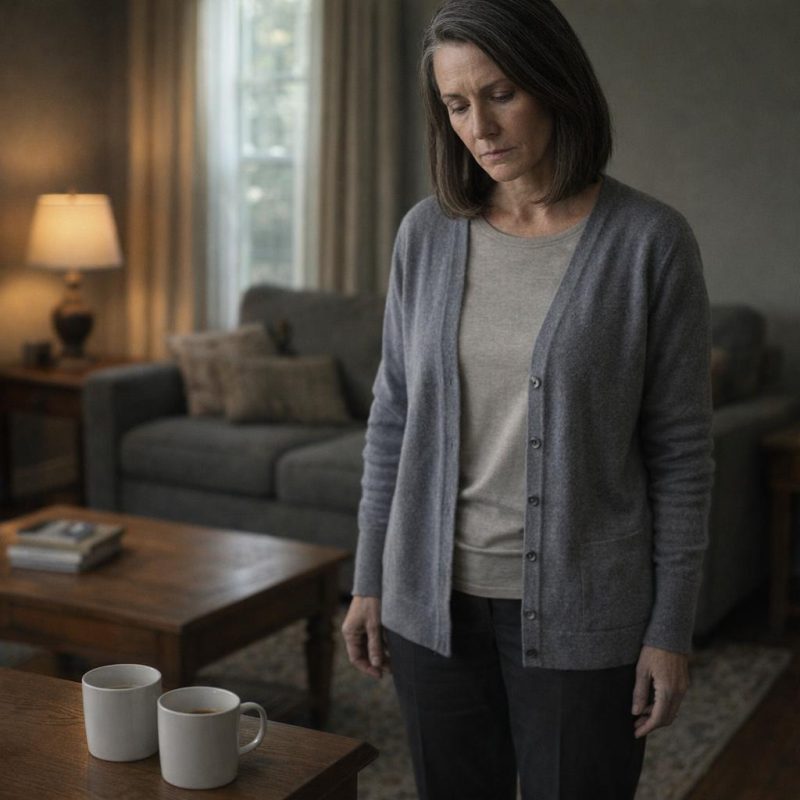 Image by RM AI
Eight Months
Somewhere around the middle of October, I counted the stars on my calendar and came up with thirty-four. Thirty-four Saturdays since that first one in February, when Sophie had stood in my kitchen doorway asking if I had the kind of crackers with the fish on them. I hadn't kept the calendar as a record exactly — it had started as a simple way to track the commitment, to make sure I didn't accidentally double-book myself. But somewhere along the way the little gold stars had become something else. A measure, maybe. A quiet accounting of what I'd given and what I'd shown up for. I knew that serious marital work took time. I'd read enough and lived enough to understand that the kind of damage that builds up over years doesn't dissolve in a few sessions. Eight months felt right, actually. It felt proportionate to the seriousness with which Michael and Jenna seemed to be approaching things. I thought about that sometimes — how they never missed a Saturday, how they always arrived on time to collect the children, how there was a steadiness to the arrangement that spoke of genuine effort. I set the calendar back on the counter and stood at the kitchen window for a while. Outside, the oak tree had gone fully gold. The weight of nearly a year's commitment had settled somewhere deep, and I carried it without minding.
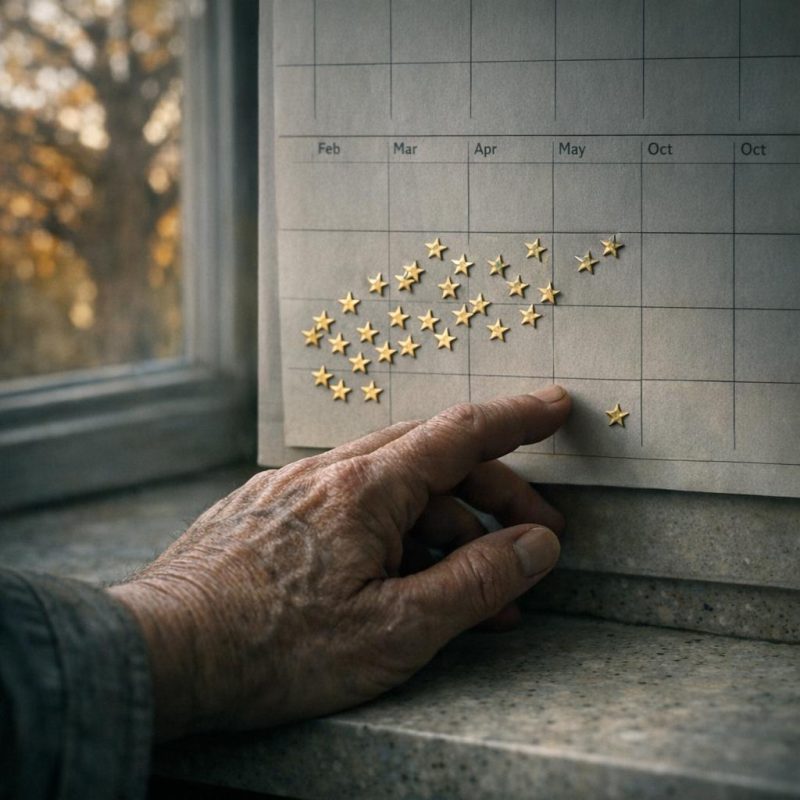 Image by RM AI
Vague Language
I was washing the breakfast dishes one morning when I found myself trying to remember exactly how Michael and Jenna described the sessions. They talked about them, certainly — mentioned progress, spoke of goals, used words like communication and trust and working through things. But when I tried to recall anything more specific, I kept coming up empty. They never said what a particular session had focused on. They never mentioned an exercise or a homework assignment the way I'd heard other people describe therapy. And the counselor — I stood there with my hands in the warm water and tried to pull up a name. I was almost certain they'd referred to her as a woman, early on. But a name? I turned it over carefully. In eight months of Saturday conversations, I didn't think I'd ever heard them say her name. I dried my hands on the dish towel and thought about that. It made sense, in a way. Therapy was private. What happened in those rooms was between a couple and their counselor, and there was something respectful, even appropriate, about not broadcasting the details. Michael and Jenna were private people. Of course they would keep it close. I folded the dish towel and set it on the counter. The thought didn't alarm me. It just sat there quietly, the way small unfinished things sometimes do.
 Image by RM AI
Michael's Hand
They came up the porch steps together that Saturday, which wasn't always how it happened. Sometimes Michael was a few steps ahead, sometimes Jenna hung back to check her phone. But that afternoon they came up side by side, and I noticed Michael's hand at the small of Jenna's back — not a guiding gesture exactly, just a resting one, easy and unhurried. It was such a small thing. I almost didn't register it. But I did register it, and I felt something loosen in my chest that I hadn't realized was still held tight. Sophie burst through the door ahead of them and announced that she'd drawn seventeen horses that morning, a claim I could neither confirm nor deny. Ben came next, carried by Michael, still warm from his nap. There was the usual cheerful chaos of gathering jackets and the stuffed rabbit and Sophie's folder of drawings. Jenna thanked me the way she always did — briefly, sincerely, without lingering. And then they were moving back down the porch steps toward the car, the children ahead of them, and I stood in the doorway watching. I told myself I should go back inside. But then I saw them pause beside the car, the children already buckled in, Michael and Jenna standing close together in the late afternoon light, their heads tilted toward each other.
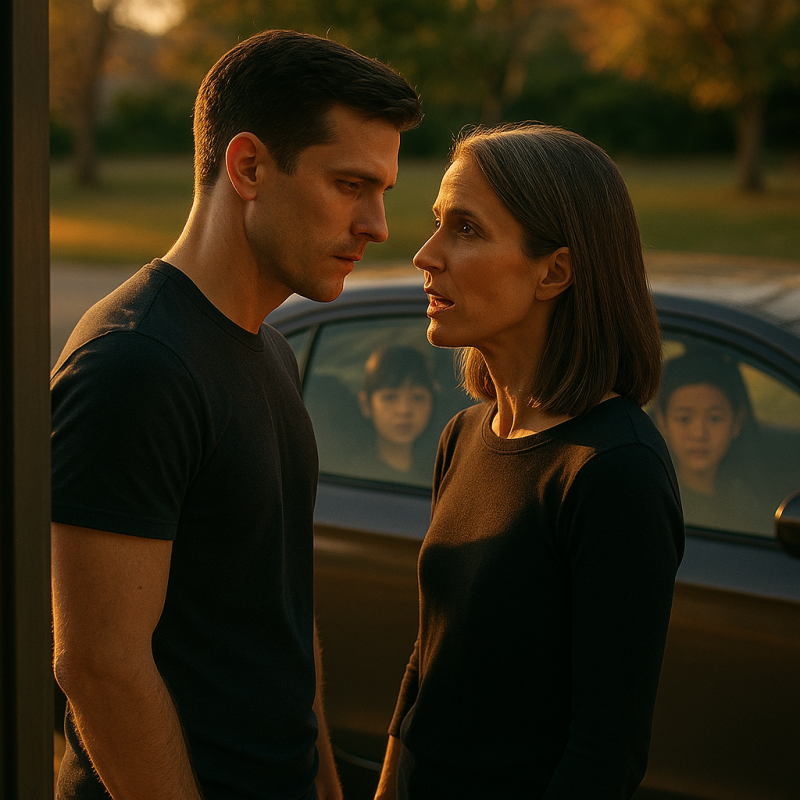 Image by RM AI
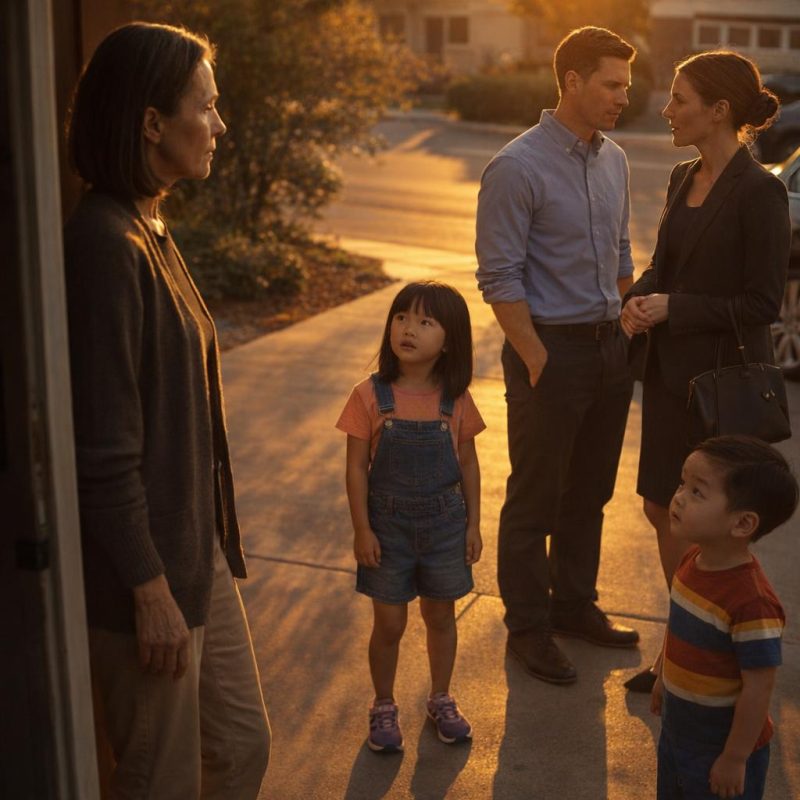 Image by RM AI
Setting Goals Together
They lingered a little longer than usual that Saturday, which I was glad of. Sophie had fallen asleep on the couch in the last half hour, and Ben was drowsy enough that Michael carried him out without waking him. While Jenna gathered the bag, Michael leaned against the kitchen doorframe and said they'd had a good week. I asked, lightly, what that meant for them these days. He glanced at Jenna, and she looked up from the bag and said they'd been working on setting goals — not just for the sessions, but for the week in between. Things to try. Ways of paying attention. Michael nodded and added that they were learning things about each other that had gotten buried, his words, buried under years of just getting through the day. I said that sounded like real work, and Jenna said it was, but that it was starting to feel less like work and more like — she paused, and Michael said, quietly, like remembering. She looked at him when he said it, and something passed between them that I didn't try to name. I poured myself a glass of water and listened to them talk for a few more minutes. They moved in and out of each other's sentences without effort, one picking up where the other left off, finishing thoughts the way people do when they've stopped bracing against each other.
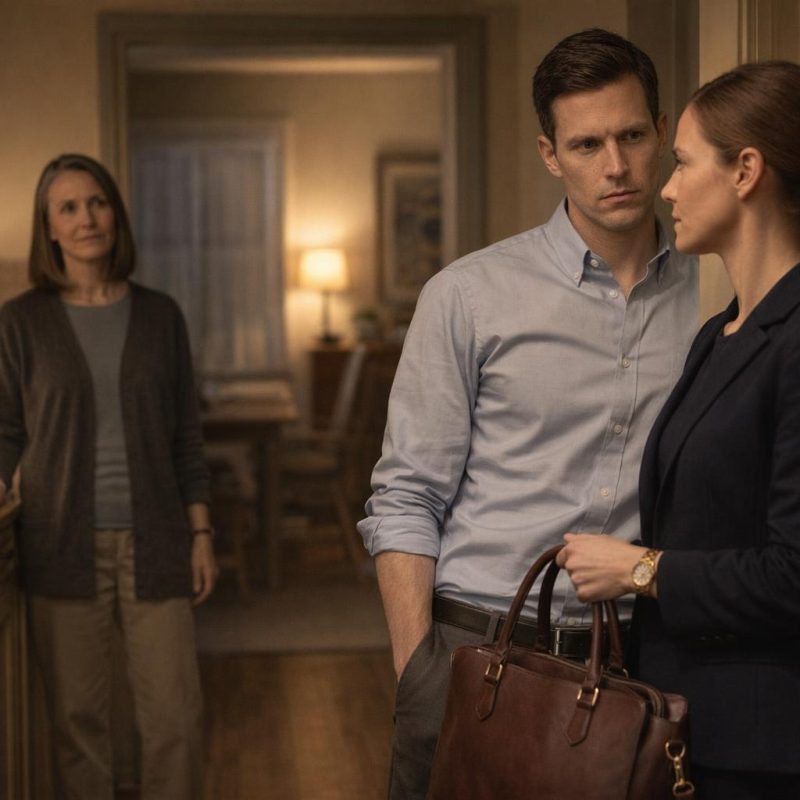 Image by RM AI
Carol's Invitation
Carol called on a Tuesday in the middle of October, her voice bright the way it gets when she's already decided something is a good idea. She'd found a route up through the hill country — a full day trip, she said, peak color, a little café she'd read about, back before dark. She wanted to go that Saturday. I heard myself say no before she'd quite finished the sentence. There was a beat of silence, and then Carol said, gently, that she'd figured as much. We talked for a few more minutes about other things, and after I hung up I stood in the kitchen thinking about that pause — the one before I'd spoken, the one that hadn't actually existed. I hadn't paused. I hadn't looked at the calendar, hadn't weighed anything, hadn't considered whether this particular Saturday might be manageable. The no had simply arrived, fully formed, the way breathing does. I thought about how many times that had happened over the past eight months. The matinee. The garden club luncheon. The colleague's dinner. Each one declined with the same reflexive certainty, the same quiet sense that Saturday belonged to something more important than an afternoon out. I didn't feel sorry about it, standing there in the kitchen. The commitment had become its own kind of answer, and I found I trusted it the way you trust a habit that has never once let you down.
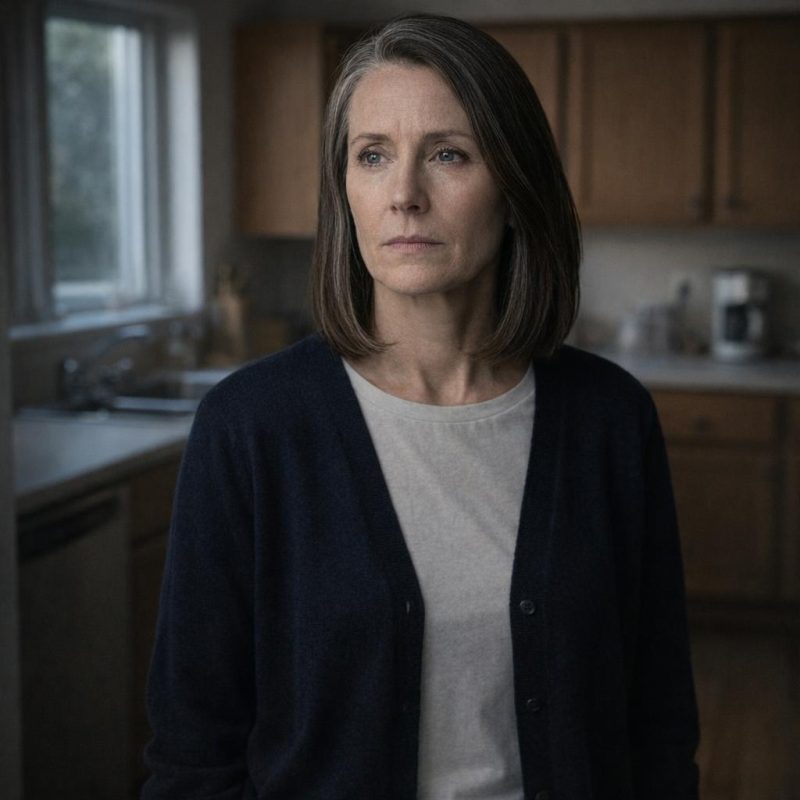 Image by RM AI
Dinner Together
They came for dinner on a Thursday in late October, just the three of us, the children with Jenna's sister for the evening. I made the chicken with the lemon and the roasted potatoes, the meal Michael had always asked for when he was growing up and still asked for now without seeming to notice he was doing it. We sat at the table for nearly two hours. The conversation moved easily — work, the neighborhood, something Sophie had said that week that had made them both laugh. Michael poured the wine and passed the bread without being asked, and Jenna talked about a project at her office with an animation I hadn't seen from her in some time. There was a looseness to the evening that felt different from the careful, managed quality of some of our earlier dinners together. At one point Michael mentioned that they'd been talking more, just the two of them, in the evenings after the children were down. Jenna said it had changed things, having that time. I asked if the sessions were still going well, and Michael said yes, steadily, and Jenna said they were getting to a place where things felt more settled. I was clearing the salad plates when I glanced up and saw Jenna reach across the table and rest her hand over Michael's.
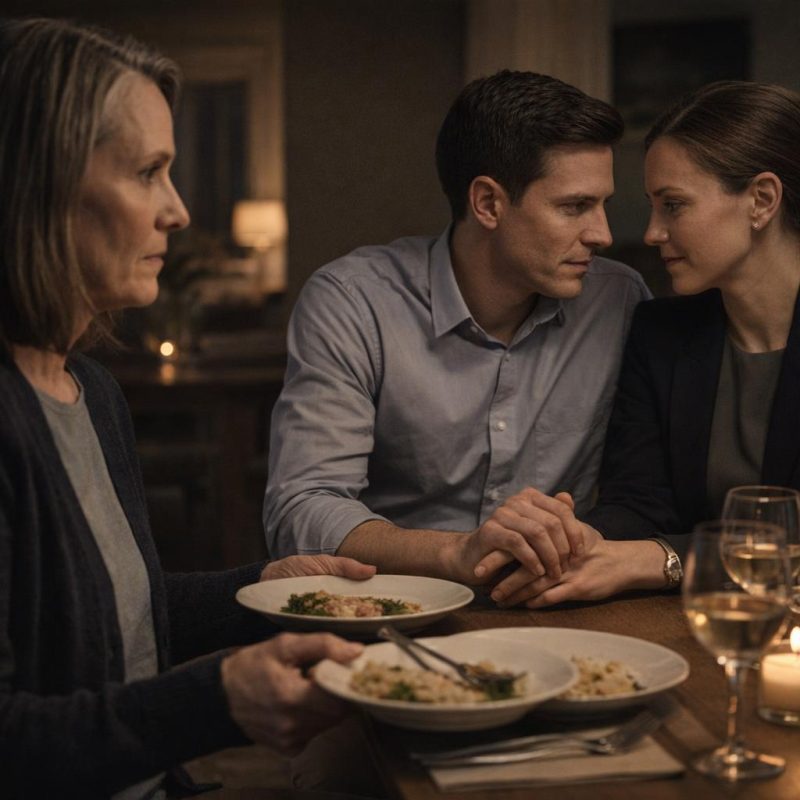 Image by RM AI
The Bridge
I sat with that image for days afterward — Jenna's hand over Michael's, the easy dinner conversation, the way they'd moved through the evening without the careful tension I remembered from a year ago. I found myself returning to it the way you return to a passage in a book that meant something to you, turning it over to make sure you understood it correctly. I thought about the thirty-four Saturdays, the juice cups, the coloring pages, the stuffed rabbit left against the couch cushion. I thought about Michael saying like remembering, and the look Jenna had given him when he said it. I thought about the stars on the calendar, each one a morning I had shown up and made space for something I believed in. Sitting at my kitchen table on a quiet Sunday afternoon, I felt something I could only call pride — not the loud kind, but the kind that settles in slowly, the way warmth does when you've been outside in the cold and finally come in. I had been the bridge, I thought. Not the counselor, not the sessions, but the steady Saturday morning that made all of it possible. I had held the space while they did the work. What I had built in my mind was a careful architecture of small moments — a hand at the small of a back, a sentence finished gently, a touch across a dinner table — each one a stone I had placed myself.
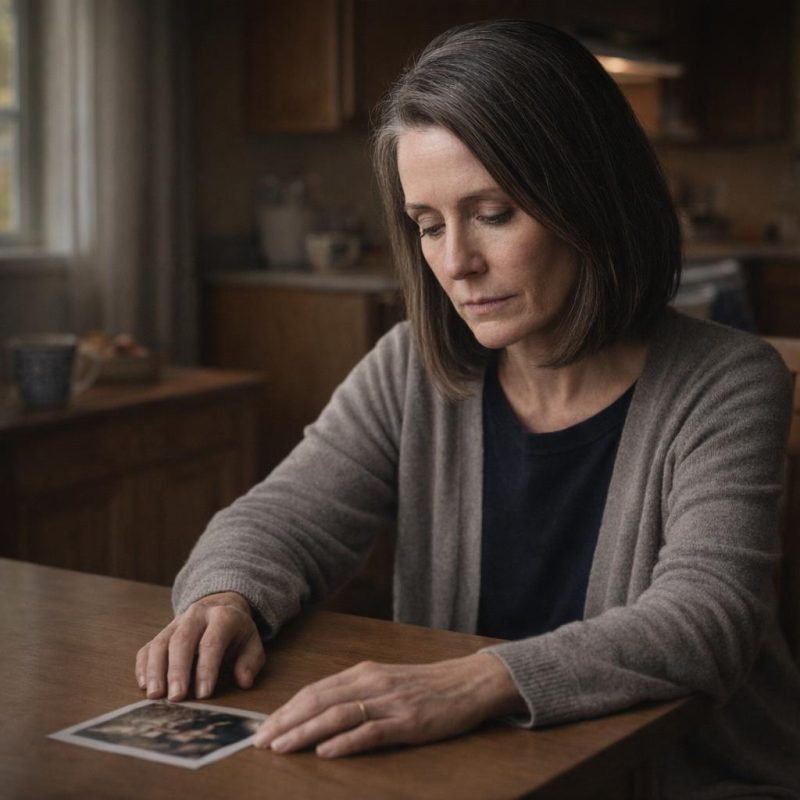 Image by RM AI
Sophie's Puzzle Afternoon
Sophie came back to me on the first Saturday of January with her hair in two uneven pigtails and a puzzle box tucked under her arm — five hundred pieces, a map of the world, which she announced was going to take all day. My grandson Ben settled himself on the rug with his trucks while Sophie and I spread the pieces across the coffee table, sorting edges from middles the way I'd taught her. She talked the whole time, the way she always did, narrating her thoughts like a little radio left on in the background. She told me her parents had been tired lately. I asked if everything was okay, and she nodded very seriously and said it was the good kind of tired, like after soccer practice when you feel it in your legs but you're happy about it. She found a corner piece and pressed it into place with great satisfaction. Then she said her parents had new goals. I smoothed a section of blue ocean between my fingers and waited. She said they wanted to help people. She said they wanted to be better. She said it the way children say things — plainly, without decoration — and I felt something warm move through my chest. Then she looked up at me and said her mom had told her that helping people was the most important thing you could do.
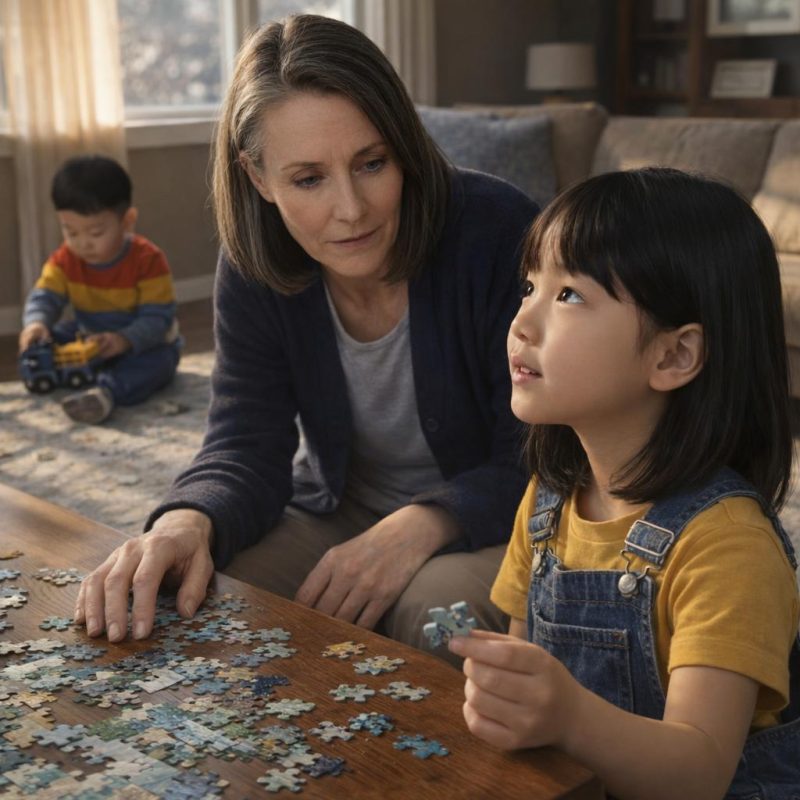 Image by RM AI
Good Hearts
I set down the puzzle piece I was holding and looked at my granddaughter across the scattered map of the world. She had already moved on, hunting for a piece of the Amazon basin with her tongue pressed to her lip in concentration. Ben had fallen asleep on the rug with one truck still in his fist, the way small children do — completely and without warning. The afternoon light came through the window at a low January angle and lay across the coffee table in a pale stripe. I told Sophie that her parents had good hearts. She looked up and said she knew, matter-of-factly, and went back to her puzzle. I sat with that for a moment. I thought about the thirty-four Saturdays, and then the ones that had followed, each one a small act of faith. I thought about Michael's face at dinner, easier than I'd seen it in years. I thought about Jenna's hand over his. Therapy had done something real, I believed — had turned them inward first, and then, it seemed, outward toward others. That felt like the natural shape of healing to me, the way a wound closes and then you forget it was ever there. I returned to the puzzle feeling the quiet satisfaction of something I had helped build, piece by careful piece.
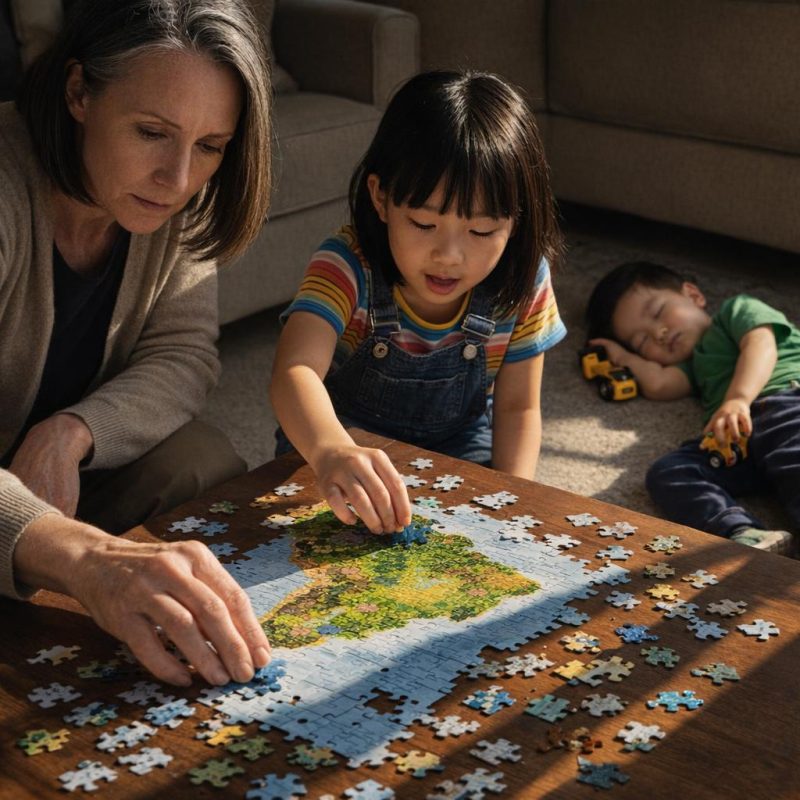 Image by RM AI
The Routine's Weight
On a Tuesday morning in late January I sat at my kitchen table with a cup of tea gone cold beside me and tried to think of the last time I had done something just for myself. Not for the children, not for Michael, not for the Saturdays. Something purely mine. I thought about the watercolor class I had signed up for three years ago and then quietly let lapse. I thought about the novel sitting on my nightstand with a bookmark still wedged at page forty-seven, where I had left it sometime in October. I thought about Carol asking me in November if I wanted to drive up to see the leaves turn, and how I had said maybe next year without even pausing to consider it. The Saturdays had become the architecture of my weeks — everything else arranged around them, or quietly set aside to make room. I didn't resent it. That was the honest truth. The commitment had felt necessary and right, and I still believed it was. But sitting there in the quiet of a Tuesday morning with the cold tea and the pale winter light, I understood that I had built my recent life almost entirely around other people's needs, and somewhere along the way I had stopped noticing that I had any of my own.
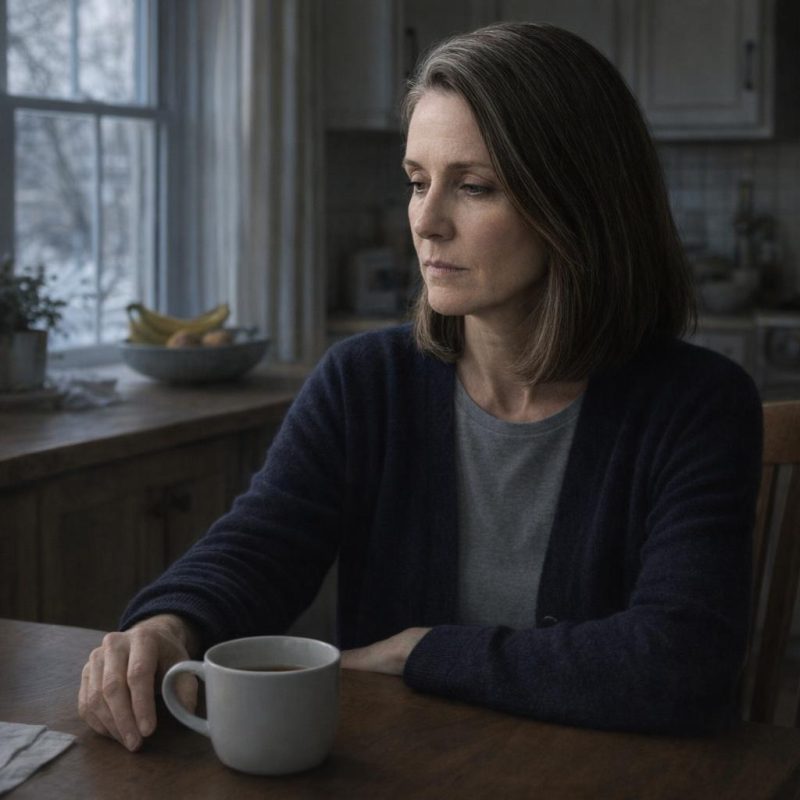 Image by RM AI
Sophie's Good Tired
It was a Saturday in early February, and Sophie was at the kitchen table drawing horses while Ben pushed a wooden train along the baseboard behind her. I was washing the breakfast dishes when Sophie said, without looking up from her paper, that her parents were tired again. I turned off the tap and dried my hands. I asked her what kind of tired, already half-knowing what she would say. She said the good kind, like after soccer, when you feel it in your legs but you're happy about it. She said it in exactly the same way she had said it in January — the same words, the same small pause before happy about it, the same matter-of-fact tone. I stood there with the dish towel in my hands. Children repeated things, I told myself. They heard a phrase that satisfied them and they kept it, the way they kept a favorite song. It probably meant her parents had said it again at home, and she had carried it back to me the way she carried everything — openly, without knowing she was carrying anything at all. I folded the dish towel and set it on the counter. Still, the sameness of it sat with me for a moment, the phrasing identical, word for word, as though it had been said to her the same way twice.
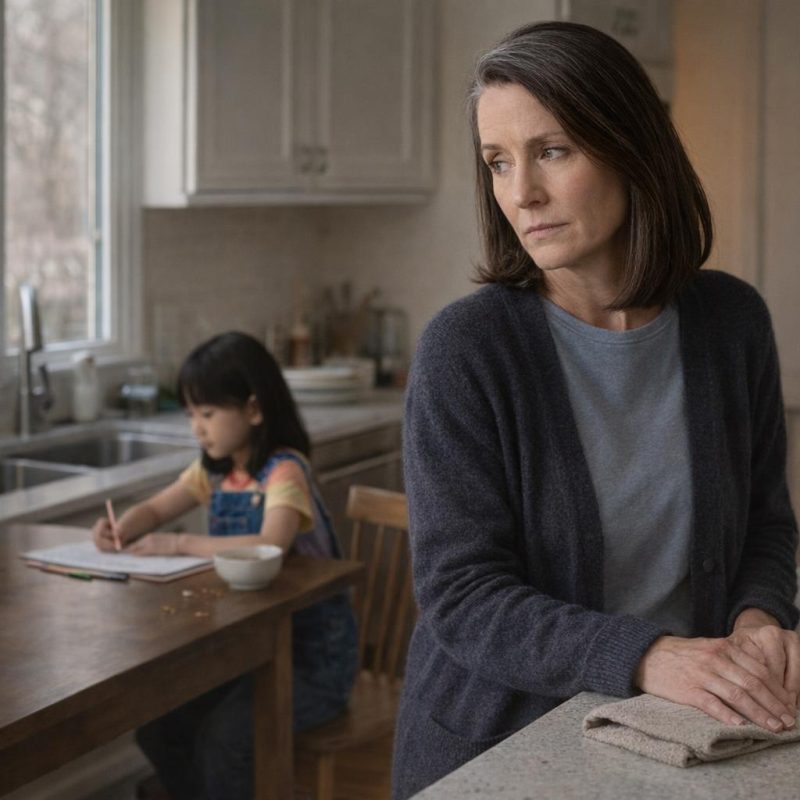 Image by RM AI
Helping Families
Later that same afternoon, after Michael and Jenna had collected the children and the house had gone quiet again, I sat in the armchair by the window and turned Sophie's words over in my mind. She had said something else that day, between the horses and the train — something about her parents wanting to help families someday. Not just people in general, the way she'd said it in January, but families specifically. I tried to picture what that might look like. Volunteering somewhere, perhaps. A food pantry, a community center. Or maybe something that had come up in their sessions — a counselor who had encouraged them to think about giving back once they'd done their own work. That happened, I knew. People came through difficult periods and felt called toward something larger than themselves. It was a generous impulse, and I wanted to honor it. But the shape of it wouldn't come clear no matter how I turned it. Helping families was wide enough to mean almost anything, and the more I tried to fill it in with specifics, the more it slipped away from me. I told myself that was fine. Plans at that stage were often more feeling than form. I let the thought rest where it was, soft-edged and unresolved, like something seen through frosted glass.
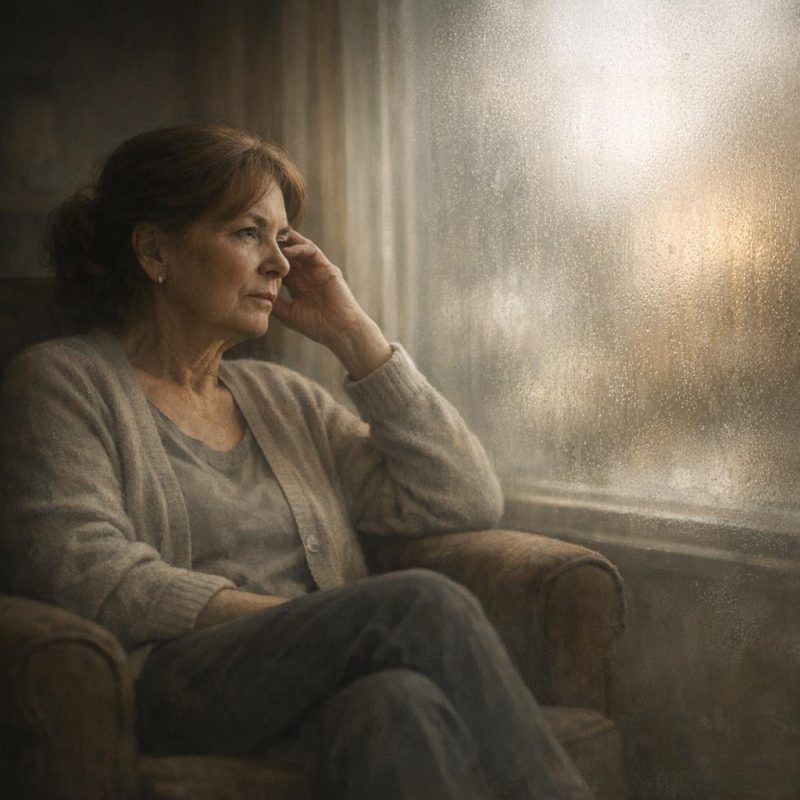 Image by RM AI
Dismissing Doubts
The unease didn't leave me the way I expected it to. I had pushed it aside on Saturday afternoon, and I pushed it aside again on Sunday, and by Monday I was telling myself firmly that I was overthinking. Therapy was private. It was varied. Not every counselor worked the same way, and not every couple came out of it with a five-year plan they could describe in clear sentences. Michael and Jenna were healing. I had seen it with my own eyes — the dinner, the easy conversation, the way they moved through a room together now without that careful, brittle tension. Sophie's comments were a child's version of something real, filtered through a seven-year-old's understanding. Of course it sounded vague. She was seven. I made myself a cup of tea and stood at the kitchen window and watched the bare February branches move against a gray sky. I reminded myself that I was not their counselor. I was their mother and their mother-in-law, and my role was to hold the space, not to audit the process. I had done that faithfully for more than a year. The questions that kept surfacing were not useful ones, I decided. I set the cup down. But even as I settled into that conclusion, I was aware of the quiet effort it had taken to get there.
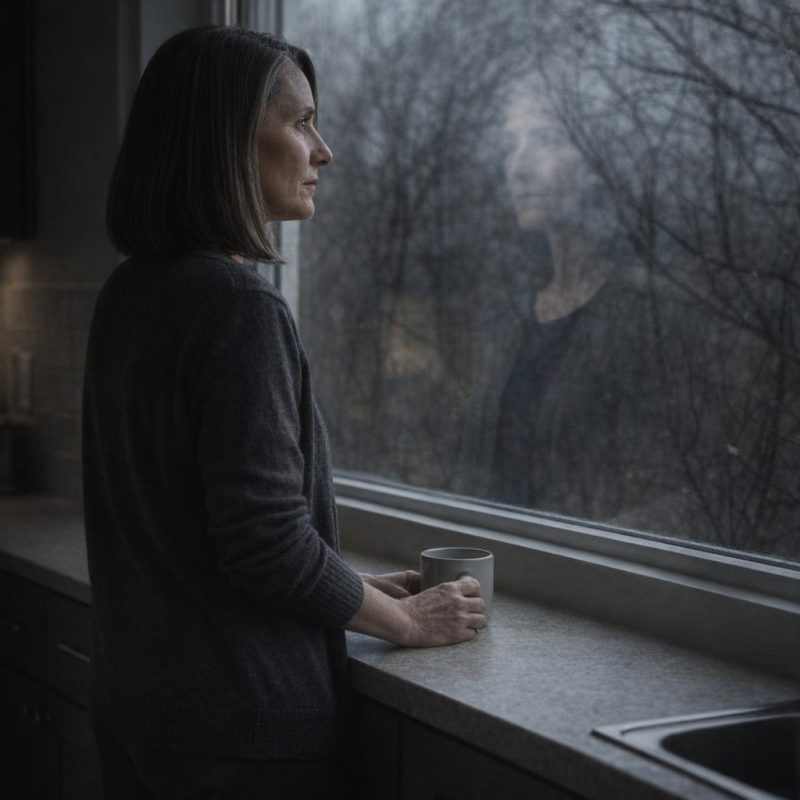 Image by RM AI
Exact Same Time
It was the third Saturday of February, and I was standing at the living room window watching Sophie and Ben play in the backyard when I glanced at the clock on the mantle. It was eleven fifty-two. I went to the kitchen to start tidying the lunch things, and I thought, as I had begun to think without quite meaning to, about the timing. Michael and Jenna always came back at noon. Not around noon, not sometime before twelve-thirty. Noon. I had noticed it before without naming it — the way a pattern registers before you've decided to look for one. I thought about scheduled appointment times, the way a therapist's hour ended on the hour, the way you built your Saturday around a fixed point. That made sense. Of course it made sense. I dried the last cup and set it in the cabinet. I heard the creak of the back gate and Sophie's voice rising in the yard. I walked back to the living room and looked at the clock again, and the minute hand touched twelve just as the sound of tires came up the driveway.
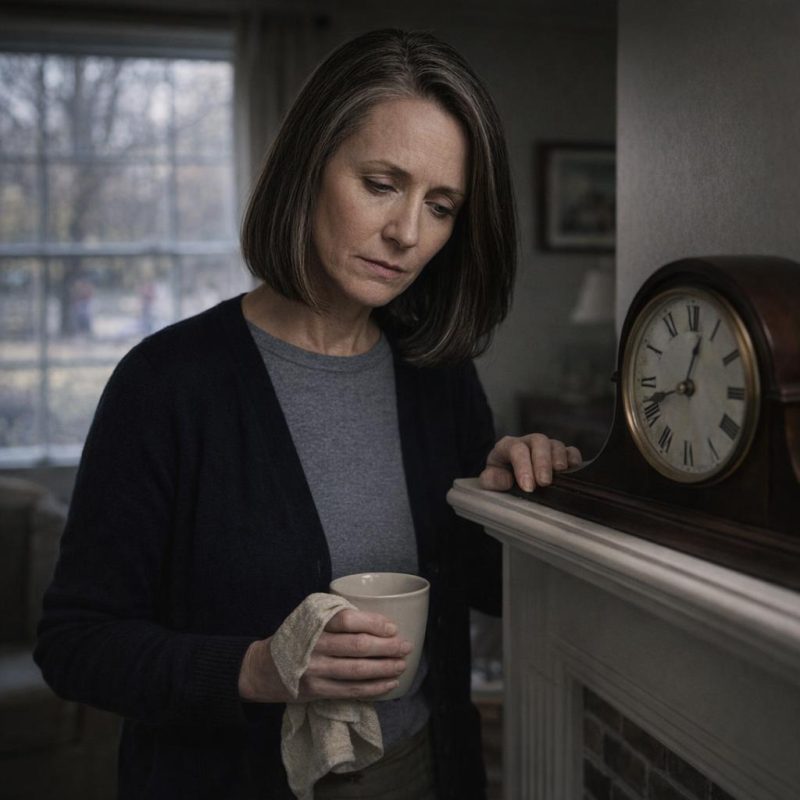 Image by RM AI
No Homework
I had been thinking, in the quiet days between Saturdays, about the things Michael and Jenna never mentioned. Not the sessions themselves — I understood those were private, and I had never asked. But in more than a year of Saturdays, they had never once said anything about the work that happened outside the room. No mention of a journal they'd been asked to keep, or a conversation they were supposed to have before the next appointment, or a small exercise the counselor had suggested. I knew enough about therapy to know that wasn't universal. Some approaches were purely conversational. Some counselors believed the session itself was the work, and that assigning tasks outside it could feel like pressure. I told myself that was likely what this was. Michael and Jenna's counselor probably worked that way. It was a reasonable explanation and I held onto it. But when I sat with it honestly, I couldn't point to a single concrete thing — not a book title mentioned, not a phrase that sounded like it had come from a professional, not one moment where either of them had said the counselor suggested or we've been working on. I set the thought aside the way I had set aside so many others that winter, and told myself that silence around the work didn't mean the work wasn't happening.
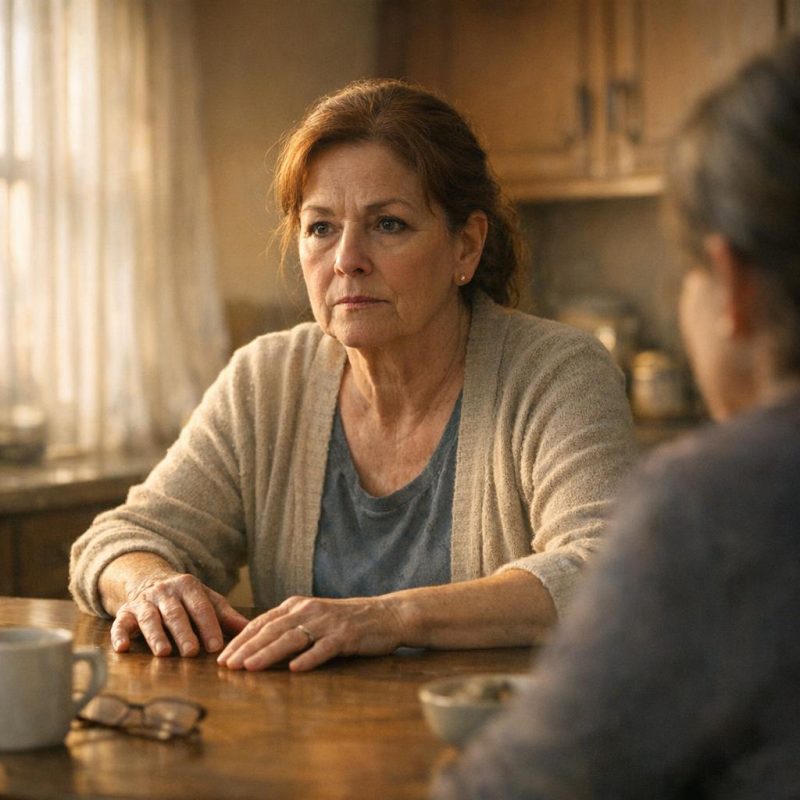 Image by RM AI
Many Forms
I had gotten quite good at building cases for myself. That was the honest way to put it. I would sit in the kitchen after the children had gone, or in the front room with a cup of tea gone cold, and I would line up the reasons one by one like stones across a path. Therapy takes many forms — I knew that much. Some counselors work entirely within the session. Some believe that assigning exercises outside the room creates pressure rather than progress. Some approaches are purely relational, built on the conversation itself. I had read enough over the years to know that silence around the process didn't mean the process was failing. And Michael and Jenna were private people. They had always been private. It was reasonable that they wouldn't share details with me. It was respectful, even. I told myself all of this, and most of the time it held. But there were evenings when I would reach the end of one of those careful arguments and realize, with a small uncomfortable start, that I had just spent ten minutes explaining away something I didn't actually understand — and that I had done it quite smoothly, without once stopping to ask whether the explanation was true.
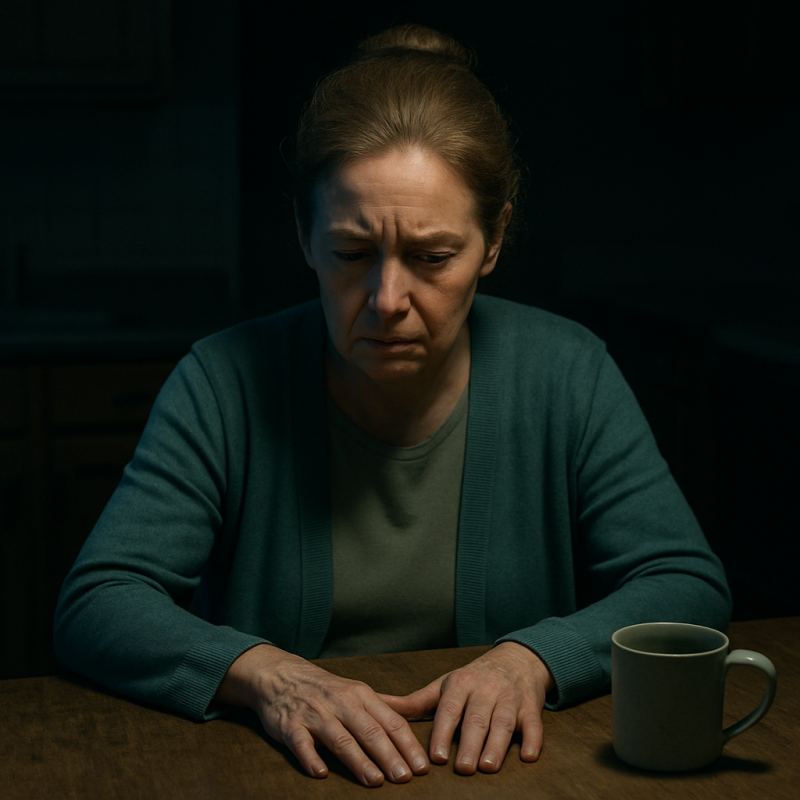 Image by RM AI
Watching Closely
They came for dinner on a Thursday in early spring, and I watched them more carefully than I had in a long time. Not obviously — I had learned, over the years, how to observe without appearing to. I watched the way Michael held the door for Jenna when they came in, the way she touched his arm briefly when he handed her a glass of water. Small things. The kind of things that could mean everything or nothing depending on what you were hoping to find. I watched them across the table while we talked about ordinary things — Sophie's school project, Ben's new words, a film Michael had seen. Jenna laughed at something he said, a real laugh, not a polite one. Michael refilled her glass without being asked. I held onto each of these moments the way you hold onto something small and warm in a cold room. By the time they left, I had assembled enough of them to feel steadier. I stood at the door and watched their car pull away, and I told myself that what I had seen at that table was enough. What I couldn't quite account for was how hard I had been searching their faces all evening just to find it.
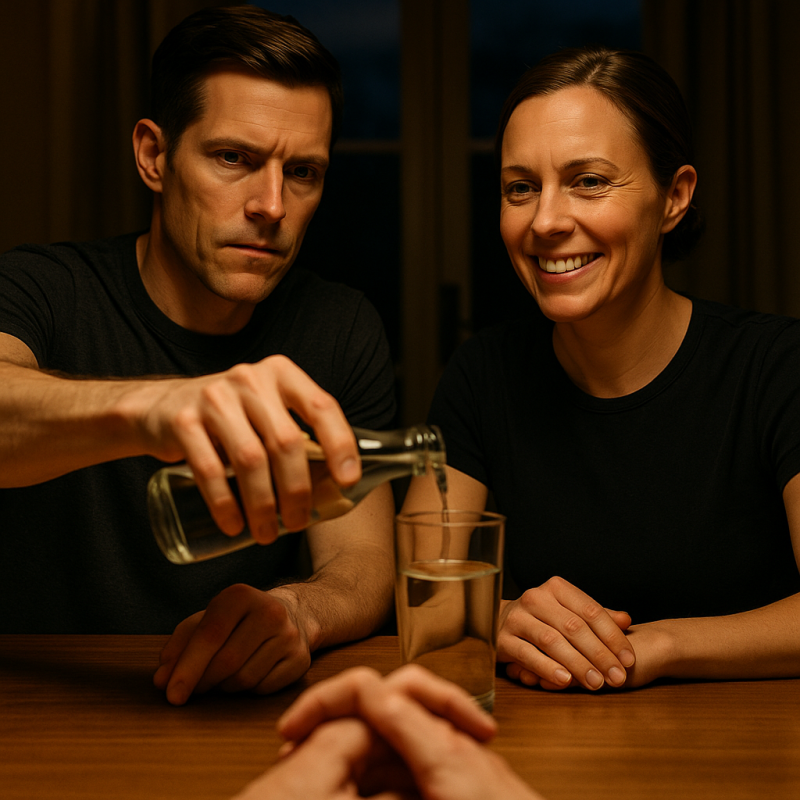 Image by RM AI
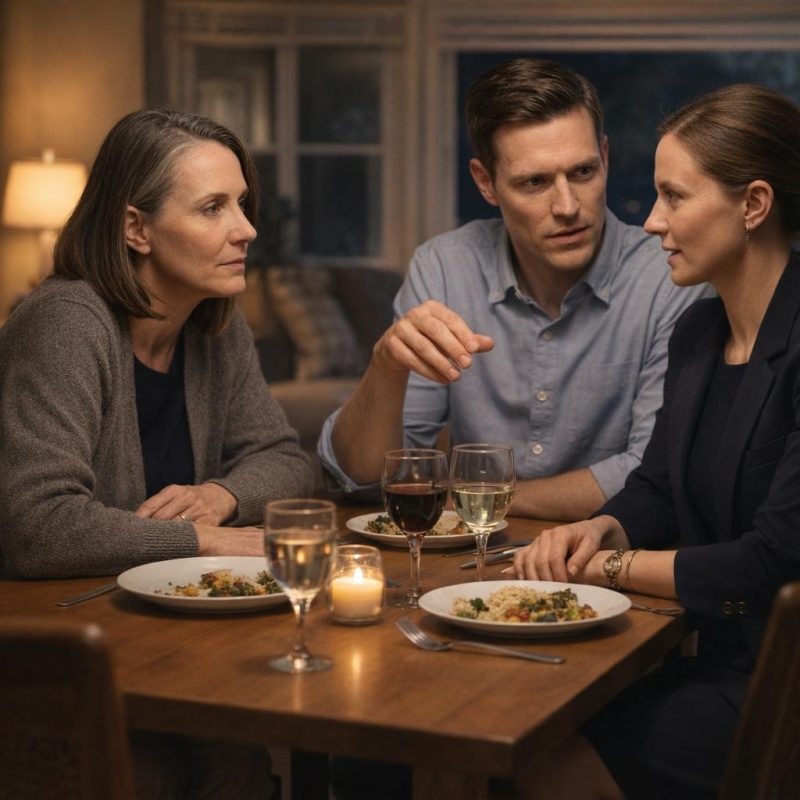 Image by RM AI
Nearly a Year
I counted them one afternoon in late April, standing at the kitchen calendar with my reading glasses on. The small gold stars I had been pressing into each Saturday square — one for every week the arrangement had held. I had started the habit early on, some instinct toward marking what mattered, and now they stretched back across months in a way that stopped me. Nearly a year. Forty-some Saturdays. I stood there and did the arithmetic slowly, the way you do when you suspect the number will be larger than you're ready for. The children had grown in that time. Sophie had lost two teeth and gained a reading level. Ben had gone from toddling to running. I had watched all of it happen in those Saturday-morning hours, and I was glad of it — genuinely glad. That part was true and I didn't want to diminish it. But standing there with my finger tracing the line of stars across the months, I felt the full weight of what that line represented. Not regret. Something more complicated than regret. The stars ran from one edge of the calendar to the other, small and gold and numerous, and I stood there looking at them for a long time.
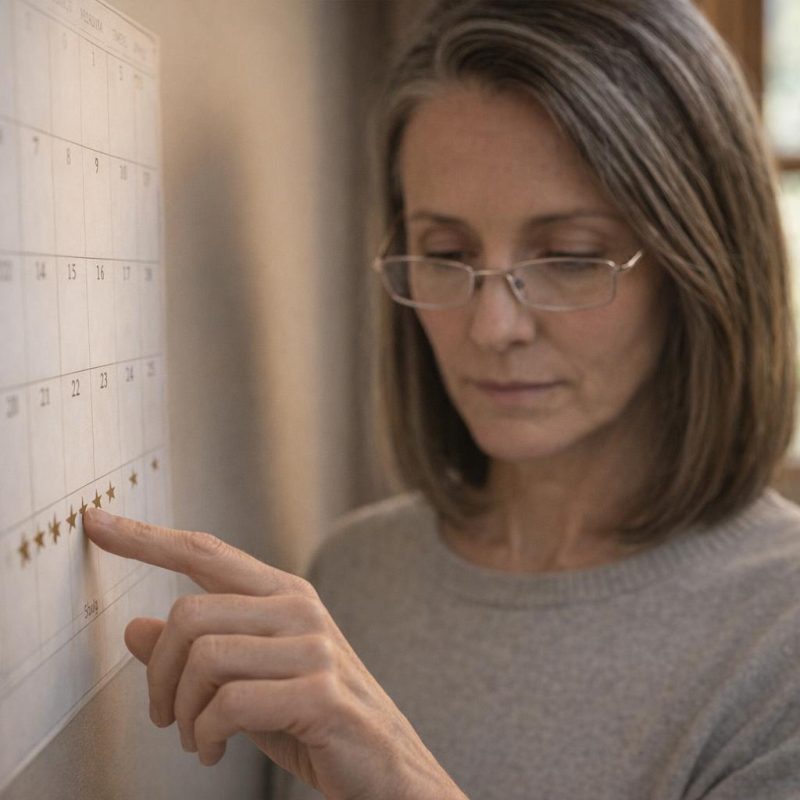 Image by RM AI
Avoiding the Name
It was something I noticed gradually, the way you notice a sound that's been present for a while before you actually hear it. Michael and Jenna talked about their sessions occasionally — not often, but enough that I had a general sense of things. They were working on communication. They were making progress. The counselor had helped them see something differently. But when I listened more carefully, I realized I couldn't have told anyone a single identifying detail about the person they were seeing. It was always she says or we talked about or the sessions have been helpful. Never a name. Never an office location, a specialty, a credential mentioned in passing. I thought back over months of these small references and came up empty. Most people, when they find a professional who's genuinely helping them, mention the name eventually — the way you mention a good doctor or a trusted mechanic. It comes up naturally. I told myself there were reasons for the omission. Privacy. Discretion. A wish to keep that part of their life contained. Those were reasonable explanations and I held them carefully. But the pattern had settled into me now, and I couldn't quite unfeel the careful way they moved around any detail that might have told me something real.
 Image by RM AI
Never Clearly
I tried, one quiet evening, to remember if I had ever actually heard a name. I sat with it seriously, the way you sit with a word that's slipped your memory — turning the space where it should be, checking the edges. I thought back through every conversation, every passing reference, every moment when Michael or Jenna had mentioned the sessions. Nothing came. Not a first name, not a last name, not even an initial offered in passing. I moved outward from there, the way you do when one absence leads you to notice others. I didn't know what part of the city the office was in. I didn't know whether the counselor worked alone or as part of a practice. I didn't know if they had been referred by someone or had found her through a search. These were not things I had ever asked — I had been careful not to pry — but they were also things that, in a year of conversations, had simply never surfaced on their own. I sat with that for a while. I still wanted to believe that the silence was ordinary, that it was simply the shape their privacy took. But it seemed to me, sitting there quietly, that the list of things I had never thought to question might be longer than I'd noticed before — and I wasn't quite sure what to do with that feeling.
 Image by RM AI
Really Intensive
The question arrived one morning while I was washing up after breakfast, and once it arrived I couldn't send it away. Four hours. Every Saturday, for nearly a year. I had never thought to measure it before, but standing there with my hands in the water I found myself doing the arithmetic. They dropped the children by nine, sometimes a few minutes before. They came back reliably around one, occasionally closer to one-thirty. Four hours, give or take. Every week. I tried to think about what I knew of counseling sessions — from friends who had mentioned them over the years, from things I had read. Fifty minutes was standard, I thought. An hour at most. Some practices offered longer formats, I supposed, for couples doing intensive work. Two hours, perhaps. I had heard of that. But four hours, every single Saturday, week after week without variation? I turned the question over and couldn't find a comfortable place to set it down. I didn't know enough to say it was wrong. I had no frame of reference, not really. But I wondered, in a way I couldn't quite dismiss, what the total number of hours might add up to — and whether that number would sit comfortably with me if I ever let myself finish the calculation.
 Image by RM AI
Wanting to Help
Sophie had said it more than once, in that easy way children repeat things they've absorbed without fully understanding them. That her parents were helping families. I had smiled each time and moved the conversation along, the way you do when a child says something that doesn't quite parse but seems harmless enough. But I found myself returning to the phrase in the weeks that followed, turning it over the way you turn over a word in a foreign language, trying to find the shape of its meaning. Helping families. I had tried, at first, to fit it into what I understood about therapy — that working on a marriage was, in a sense, helping a family. That Sophie might have overheard something and simplified it in the way children do. That explanation had seemed adequate for a while. But the more I sat with it, the less it settled. Therapy language, in my experience, tended to turn inward — working on ourselves, working on our relationship. Not outward, not toward other families. I couldn't say what Sophie had actually heard, or where the phrase had come from. It seemed to me, each time I returned to it, that the fit grew a little looser — and the space between what I understood and what the words seemed to mean sat quietly in me, without resolving.
 Image by RM AI
Fighting Suspicion
I made myself a list, though I didn't write it down. I kept it in my head, the way you keep things you're not quite ready to commit to paper. Michael and Jenna seemed closer than they had in years — that was real. There was an ease between them at the dinner table, a comfort in the way they moved around each other. Jenna had seemed less guarded with me lately, more willing to linger after a visit. Michael called more often than he used to, and the calls felt lighter. These were not small things. These were the signs I had hoped for when the arrangement began, and they were present, and I told myself they were what mattered. I told myself that the questions I kept circling were the product of an overactive mind, that I was a woman who had spent too many years watching for trouble and had forgotten how to recognize peace when it arrived. I said this to myself firmly, on more than one occasion, and most of the time it worked well enough to get me through the day. But there were evenings when the effort of it caught up with me — when I sat down and felt, in a way I couldn't quite name, how much work it had become just to leave things alone.
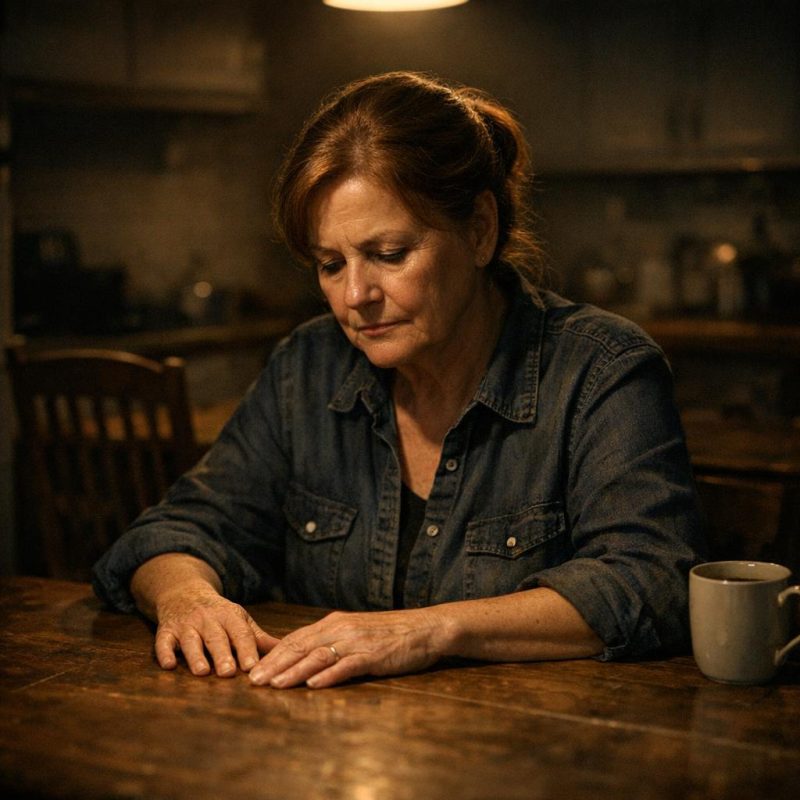 Image by RM AI
The Careful Words
They arrived at eight on the dot, the way they always did, Michael holding Ben on his hip and Jenna with her hand resting lightly on Sophie's shoulder. I made coffee and we stood in the kitchen for a few minutes the way we had fallen into the habit of doing — a small ritual of pleasantries before the handoff. I asked how the week had been, and Michael said it had been good, that they were making real progress, that the sessions were giving them tools they hadn't had before. Jenna nodded and said something about learning to communicate from a place of intention rather than reaction. I smiled and said that sounded wonderful. But something snagged in me, quiet and small, because I had heard that phrase before. Not something like it — that exact phrase. I told myself counselors probably taught the same language to everyone. I told myself it was natural to repeat things that had helped you. I turned to pour my coffee and let the moment pass. But when Michael said, as he was heading for the door, that they were finally learning to meet each other where they were — I went still. He had used those same words before, in this same kitchen, in almost that same order.
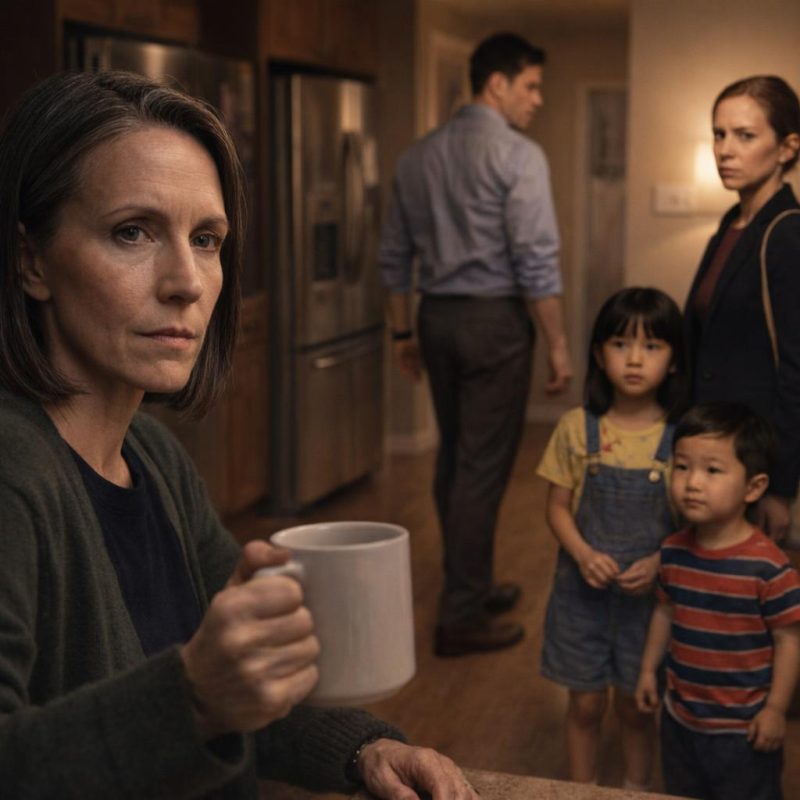 Image by RM AI
The Question I Couldn't Ask
After they left I stood at the kitchen window and watched their car back out of the driveway. The question had been right there, sitting in my throat the whole time they were talking. I had wanted to ask — casually, the way you ask about anything — where the counselor's office was. Whether it was the one on Birchwood, or somewhere downtown. It was a reasonable thing to wonder. A natural thing to say. I had even opened my mouth once, while Michael was pulling on his jacket, and then closed it again without making a sound. I told myself I didn't ask because it wasn't my business. I told myself I didn't want to seem like I was checking up on them. But standing there at the window, watching the car disappear around the corner, I had to be honest with myself about what had actually stopped me. It wasn't politeness. It wasn't respect for their privacy. It was something colder than that — a fear I couldn't quite look at directly, a fear that if I asked and the answer came back wrong, or didn't come back at all, I would have to do something with that. And I wasn't ready. I wasn't sure I wanted to know what I was afraid of finding out.
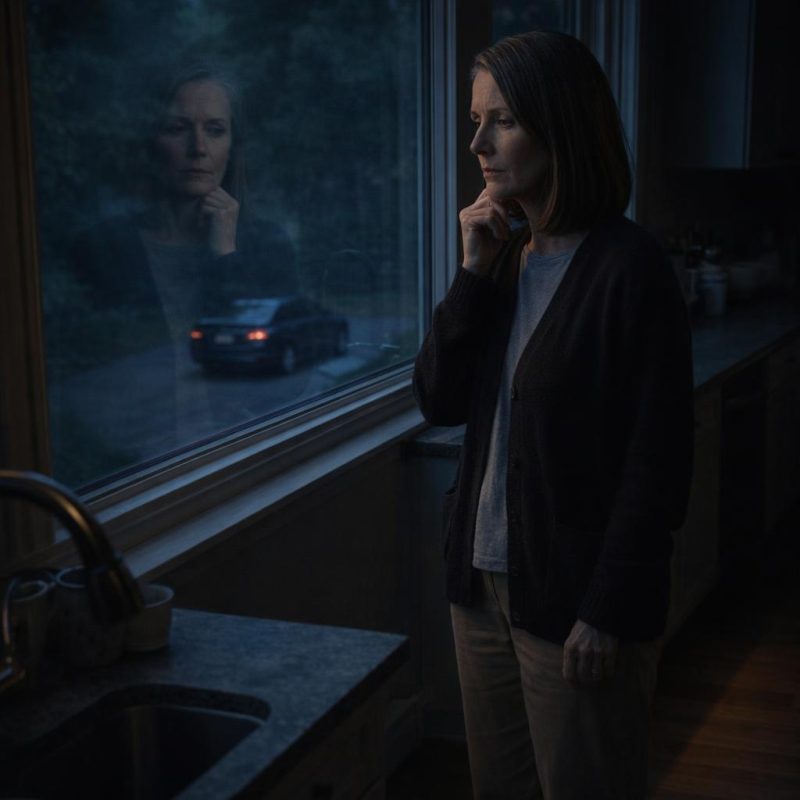 Image by RM AI
Saturday Morning Tension
The following Saturday I was up before six, which wasn't unusual, but the feeling that came with it was. I stood at the counter and measured out the oatmeal and set the bowls on the table the way I always did, and I cut the banana into the small even pieces that Ben preferred, and I put Sophie's orange juice in the green cup because she had decided months ago that juice tasted better from the green cup. All of it was the same. My hands knew exactly what to do. But something underneath the routine had shifted, and I couldn't locate it precisely enough to name it. It was like a sound just below hearing — present enough to make you tilt your head, gone the moment you tried to focus on it. Sophie and Ben arrived and we ate breakfast and Sophie told me at length about a dream she'd had involving a talking horse and a grocery store, and I laughed in the right places and asked the right questions. The numbers on the microwave clock moved the way they always moved, and the kitchen smelled like oatmeal and orange juice. When the clock turned to eight I felt, for the first time in all these months, something that had no business being there — a cold, quiet dread settling in my chest where the purpose used to be.
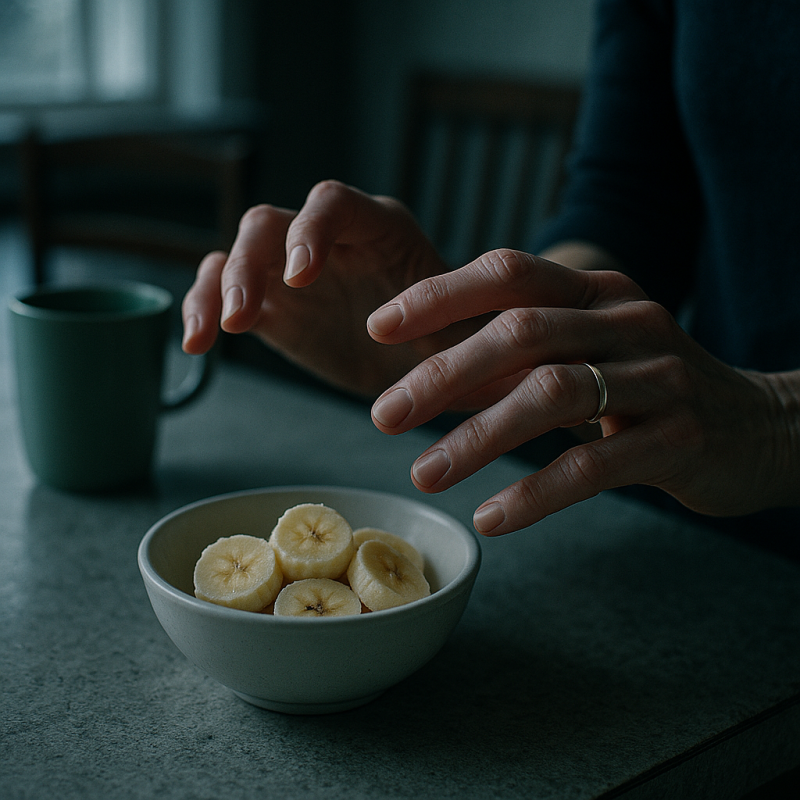 Image by RM AI
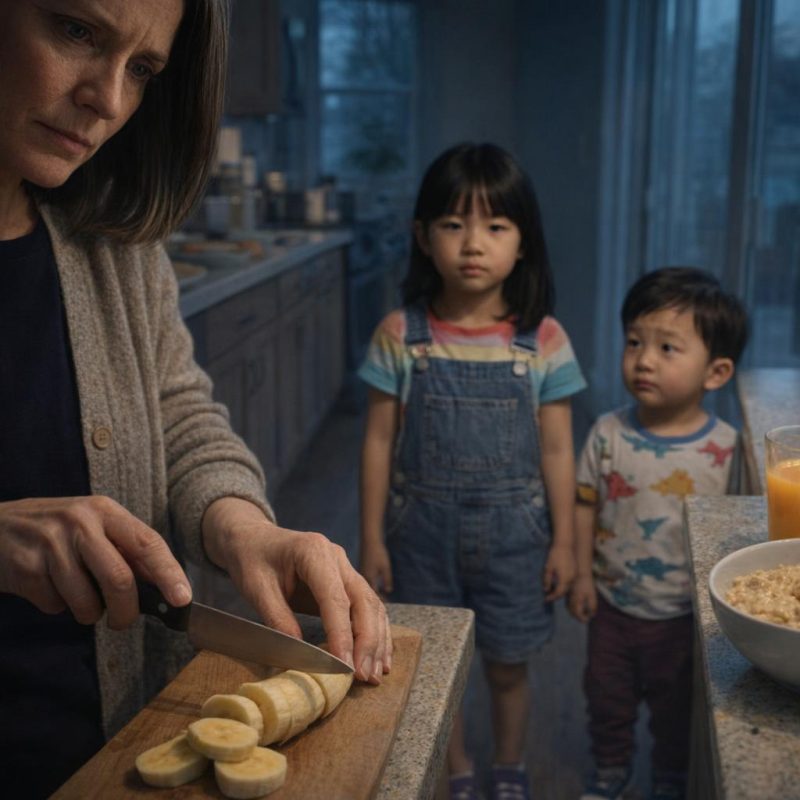 Image by RM AI
The Phone Call
The phone rang at half past nine. Sophie and Ben were at the table with their coloring books, Sophie narrating her artistic choices to no one in particular, Ben pressing a blue crayon down with great concentration. I almost let it go to voicemail — I was in the middle of wiping down the counter and my hands were damp — but something made me pick it up. The woman on the other end had a measured, careful voice, the kind that belongs to someone who chooses words for a living. She said her name was Dr. Morrison, and that she was calling from the family counseling program. I felt a small, warm flutter in my chest, the kind you feel when something confirms what you've hoped for. I assumed it was routine — a scheduling matter, something administrative. Dr. Morrison said she was sorry to bother me on a Saturday morning, and I told her it was no trouble at all. She asked if I was the children's grandmother, and I said yes, and she said she was glad she'd reached me. Then she paused — a pause that lasted just a beat too long — and asked if she could pass along a message to Michael and Jenna. I said of course, still smiling, still holding the damp cloth in my hand. The pause that followed sat in the air between us like something waiting to be named.
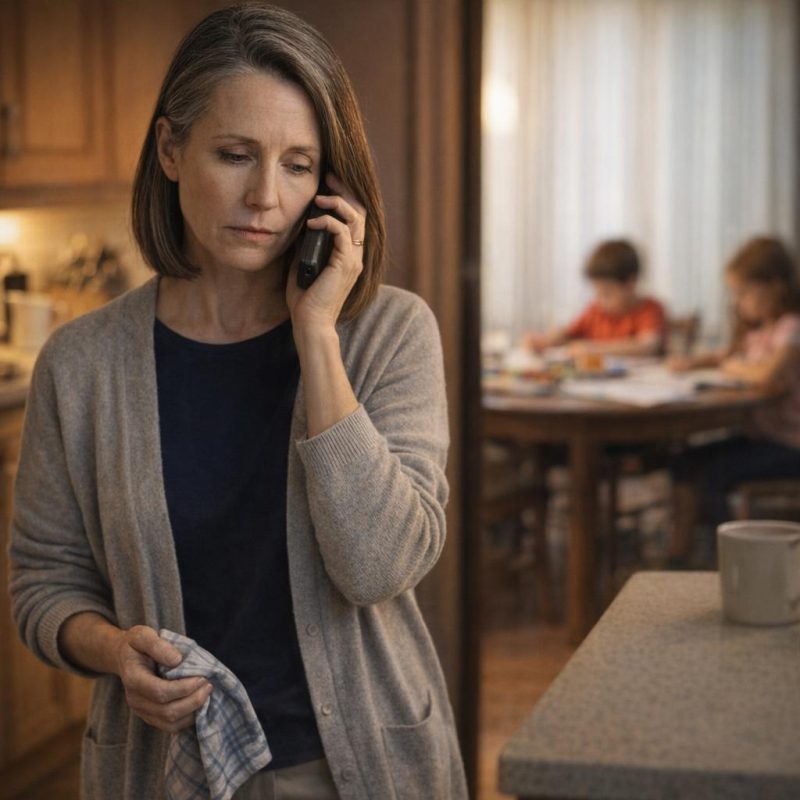 Image by RM AI
Never Attended
Dr. Morrison's voice stayed careful and even, the way a person sounds when they are trying not to alarm you while delivering something alarming. She said she was reaching out because Michael and Jenna had missed a scheduled check-in, and she wanted to make sure everything was all right. I said I was sure it was just a mix-up, that they had been attending regularly. There was a pause. Then she said she needed to clarify something, and I heard the shift in her tone — that small, professional tightening. She said that according to their records, Michael and Jenna had registered for the program nearly a year ago. I said yes, that sounded right, that they had started around the time the Saturdays began. And then Dr. Morrison said, in that same careful, even voice, that they had never attended a single session. Not one. I asked her to repeat it. I don't know why I asked — I had heard her perfectly clearly — but I asked anyway, and she repeated it, and the words were the same the second time. I stood in my kitchen with the coloring books spread across the table and Sophie humming something tuneless and Ben's crayon moving in slow circles, and the floor felt like it had dropped six inches beneath my feet.
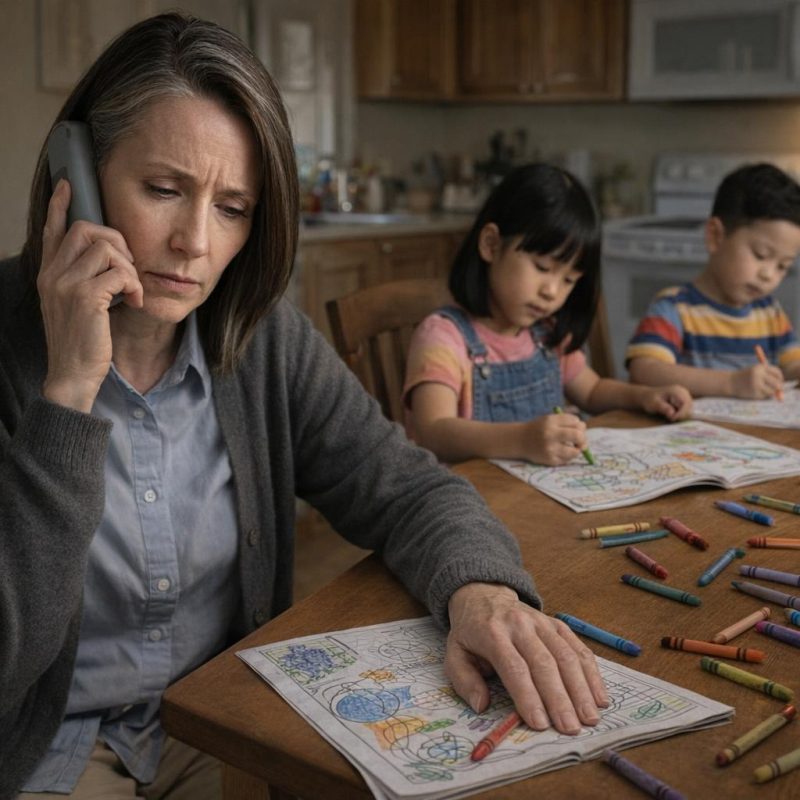 Image by RM AI
Frozen
I thanked Dr. Morrison. I don't know why I thanked her — habit, I suppose, the automatic courtesy of a lifetime — but I did, and I ended the call, and I set the phone down on the counter very carefully, as though it were something fragile. Then I pulled out a chair and sat down. Sophie looked up from her coloring book. She had her mother's alert green eyes, and they were fixed on me with the particular attention children give to adults who have gone suddenly quiet. She asked if I was okay. I told her it was just a funny phone call, nothing to worry about, and I smiled the smile I had been practicing for decades — the one that says everything is fine when nothing is fine at all. She seemed to accept it and went back to her drawing. Ben didn't look up. I put my hands flat on the table in front of me and stared at them. The morning went on around me — Sophie's humming, the scratch of crayons, the refrigerator cycling on and off — and I sat inside all of it without being able to move. Nearly a year. The weight of that settled into me slowly, the way cold settles into a room when the heat goes out, until I felt it in my hands, in my shoulders, in the place behind my sternum where I had kept, for all these months, my careful and tended hope.
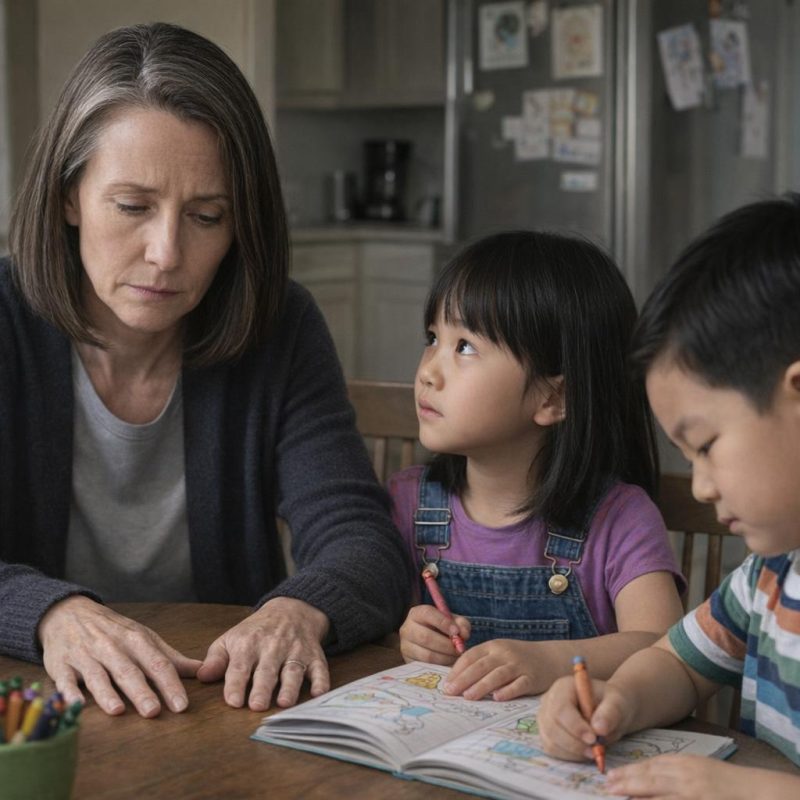 Image by RM AI
Reframing Everything
I sat there long after the children had drifted to the living room, and I let myself go back through it. All of it. The first Saturday, when Michael had come in looking tired and Jenna had seemed distracted, and I had thought: they are working so hard on this. The evenings when Michael called and his voice sounded lighter, and I had thought: it's helping. The way Jenna had lingered after visits, the way she had seemed warmer with me, and I had thought: she is opening up. I had taken every small thing and turned it in the light until it looked like progress. I had done that. Not them — me. They had given me fragments and I had assembled the picture myself, had built the whole hopeful story with my own two hands and then stood back and admired it. The careful phrases, the measured words, the language that sounded like therapy — I had heard all of it and nodded and felt relieved, and not once had I let myself sit with the fact that I had no way to verify any of it. I had wanted it to be true so badly that I had made it true in my own mind, and somewhere in the space between what they said and what I chose to believe, nearly a year had passed. The sickness of that sat in my stomach like something I couldn't put down.
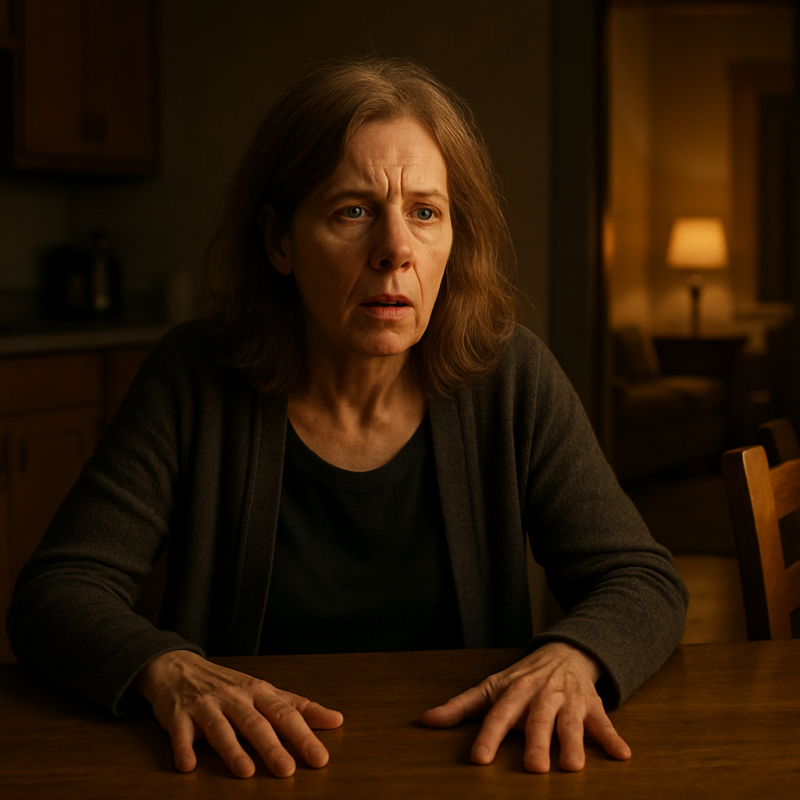 Image by RM AI
The Calendar
I got up eventually and walked to the kitchen calendar — the one I had hung at the start of all this, the one with the small gold stars I had pressed on every Saturday morning after the children arrived safely. I had done it like a ritual, like marking something sacred. I stood in front of it and looked at the constellation of stars running across the months, row after row of them, each one a morning I had gotten up early and made oatmeal and cut bananas and listened and smiled and believed. I started counting. I don't know why I needed to count them — some part of me needed the number to be real, needed it to exist as a fact outside my own head. My finger moved across the calendar slowly, touching each star. The children were in the other room. I could hear Sophie's voice rising and falling in some game she was narrating to Ben. I kept counting. When I reached the end I stood very still with my finger resting on the last star, the one from this morning, and the number sat in my chest like a stone. Forty-eight Saturdays. Forty-eight mornings I had given them. Forty-eight times they had looked me in the eye and let me believe something that had never been true.
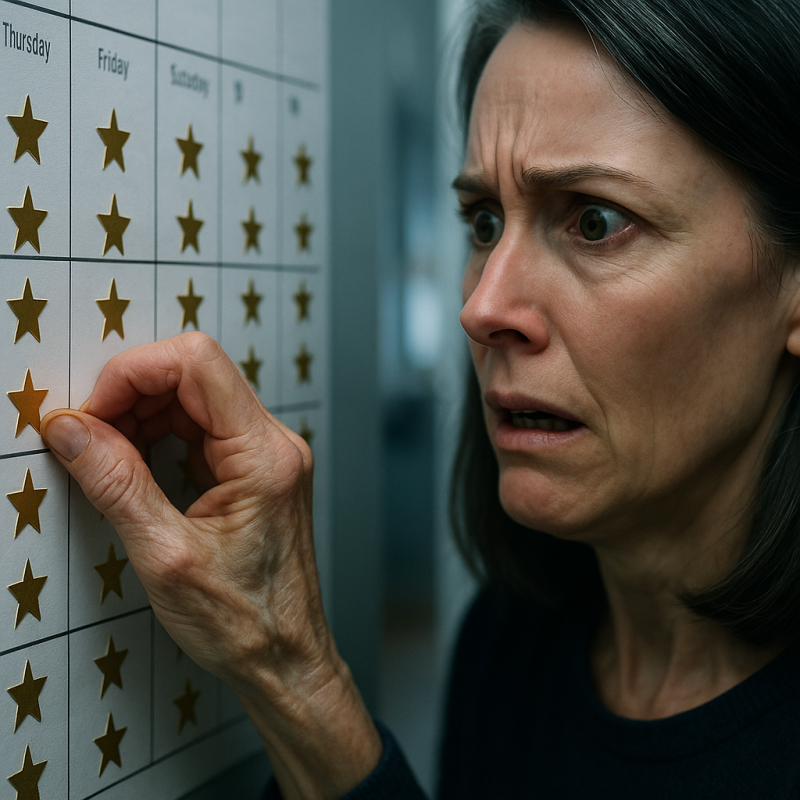 Image by RM AI
Where Were They
The children were in the back room with the television on, and I sat in my living room chair and made myself ask the question out loud. Not in my head, where it had been circling for days — out loud, in the quiet of my own house, where it had to be real. If they weren't at counseling, where were they? I said it to the empty room and then sat with it. I tried to think through the possibilities the way you'd work through a math problem, methodically, one option at a time. A second job, maybe. Some kind of class. Friends they didn't want me to know about. But none of it held together. A year is a long time. Forty-eight Saturdays is a long time. Whatever it was, it was consistent, it was scheduled, and they had built an entire story around it — a story with a therapist's name and a treatment plan and a reason for me to get up every Saturday morning and make oatmeal. I kept turning it over, looking for an edge I could grab onto. There wasn't one. Just the question, sitting in the middle of the room, and the blank space where the answer should have been.
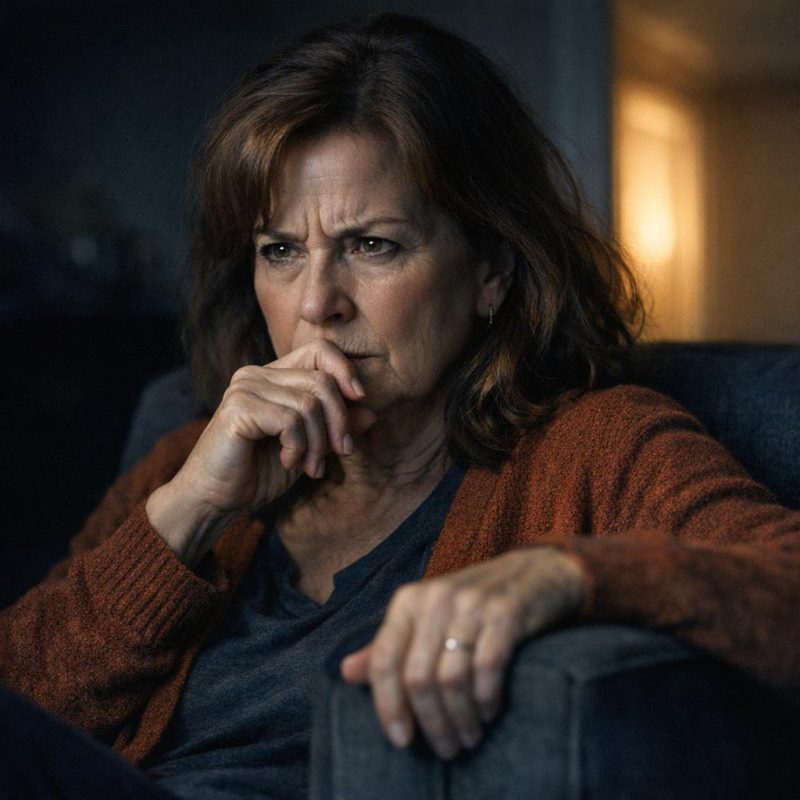 Image by RM AI
Searching for Evidence
I couldn't sit still, so I started moving through the house. I didn't have a plan exactly — I just needed to do something with my hands, something that felt like looking. I went through the kitchen drawer first, the one where I'd been dropping papers and receipts for months without sorting them. Grocery lists. A coupon for the hardware store. A birthday card I'd never sent. Nothing. I checked the notepad by the phone, the one I used when Michael called and I needed to write something down. Old grocery requests, a plumber's number, a reminder about Sophie's school picture day. I went through my coat closet next, running my hands through pockets the way you do when you're hoping for a forgotten twenty-dollar bill. I found a lip balm, a parking stub, a crumpled tissue. I felt faintly ridiculous, searching my own home for evidence of someone else's life. Then my fingers closed around something in the pocket of my winter coat — the gray one I hadn't worn since February. I pulled it out. It was a receipt from a coffee shop called Meridian Grounds, dated a Saturday morning in January, for two lattes and a pastry. I had never been to a place called Meridian Grounds in my life.
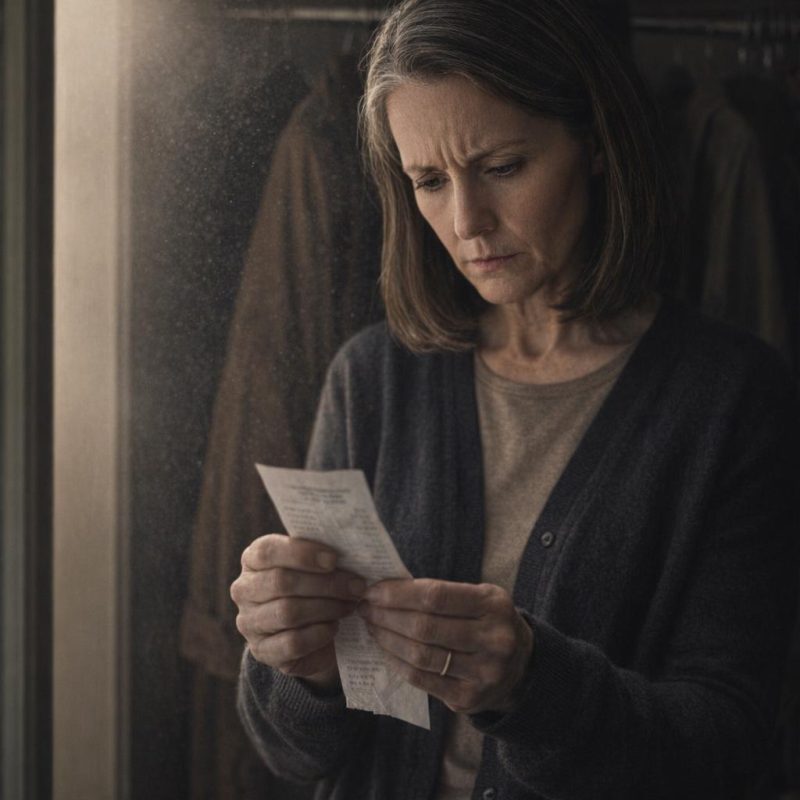 Image by RM AI
The Long Week
The week that followed was the longest I could remember in years. I would lie down at night and stare at the ceiling and run through what I was going to say, how I was going to say it, what their faces would do when I said it. I rehearsed it so many times that the words started to lose their shape, started to sound like something I was reciting rather than something I meant. I imagined Michael going quiet and looking at the floor. I imagined Jenna going very still and choosing her words carefully. I imagined explanations that almost made sense and then fell apart when I pushed on them. I stopped eating real meals somewhere around Tuesday. I'd stand at the refrigerator and look at things and close it again. Carol called on Thursday and I told her I was fine, which was the easiest lie I'd told in a long time. I counted the days the way Sophie counts down to her birthday — with a kind of dread I couldn't explain to anyone. By Friday night I was sitting at the kitchen table at midnight, hands wrapped around a cold cup of tea, too tired to sleep and too wound up to rest, carrying the weight of what I knew and nowhere left to put it.
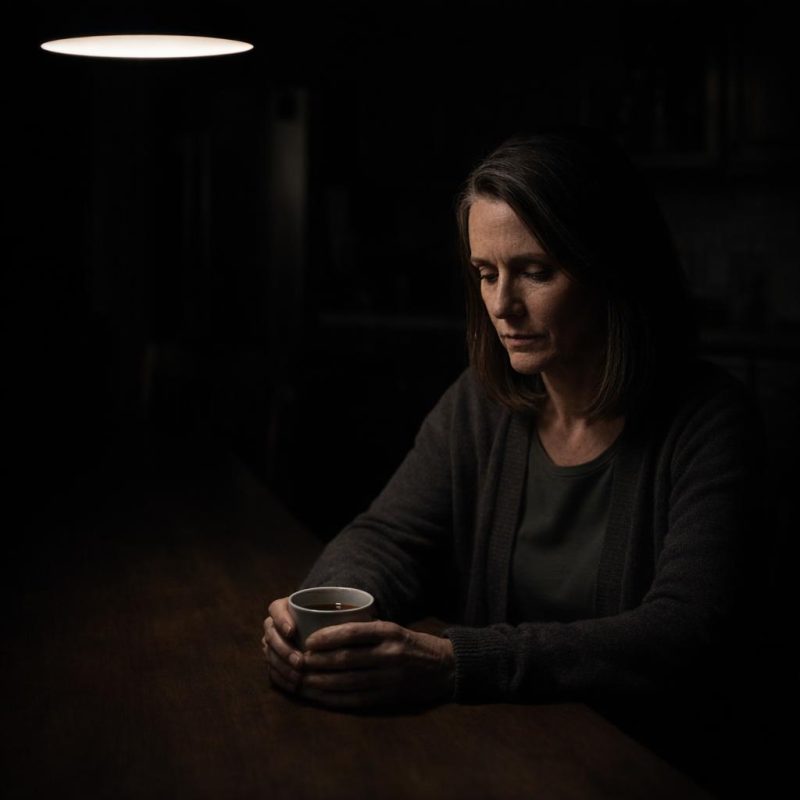 Image by RM AI
Saturday Arrives
I was up before six on Saturday. I made coffee I didn't drink and stood at the kitchen window watching the street go pale with morning light. When their car turned into the driveway at the usual time, something in my chest went very quiet — not calm, exactly, but settled, the way a decision feels once it's already been made. I walked to the front door and opened it before they reached the porch. Michael had Ben on his hip and Sophie was skipping ahead of Jenna, already calling out to me. I stepped into the doorway and kept my hands on the frame. I told them, in a voice I barely recognized as my own, that I wouldn't be watching the children today. Sophie stopped skipping. Michael stopped walking. Jenna's hand went still on the strap of the bag she was carrying. I watched the ordinary Saturday morning they had expected collapse in real time — the routine, the assumption, the ease of it, all of it gone in the space of one sentence. Michael said my name like a question. Jenna looked at him and then back at me. Neither of them moved. The look on their faces — that particular mixture of confusion and something that was not quite confusion — settled over the porch and stayed there.
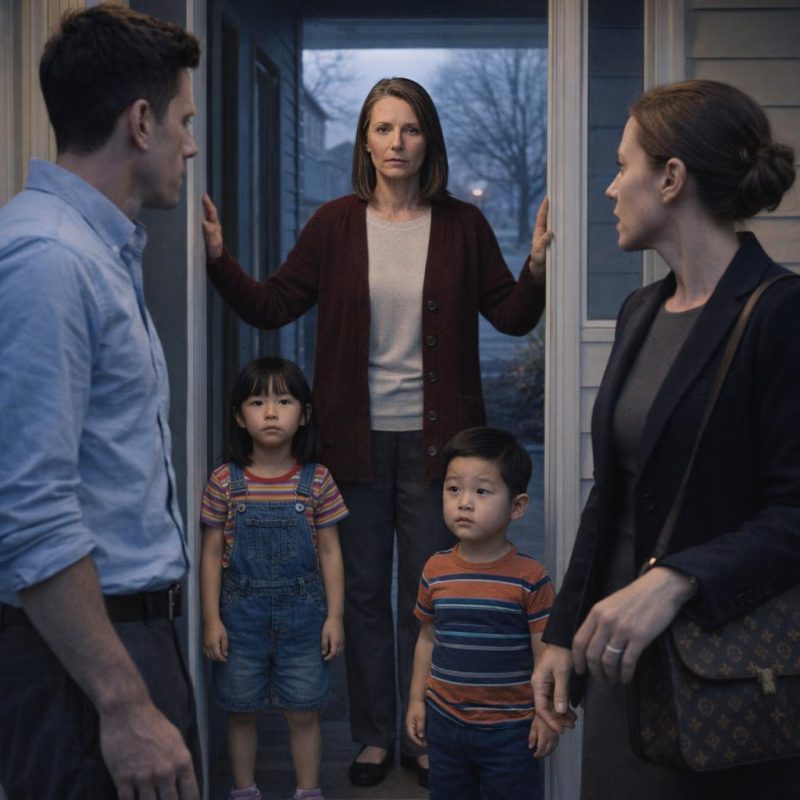 Image by RM AI
The Confrontation
I told them we needed to talk, and I told them why. I said the words plainly, without buildup, the way I had rehearsed them all week: Dr. Morrison called. I watched it land. Michael's face went through several things very quickly — surprise, then something that looked like calculation, then a kind of collapse. Jenna went still in a way that was different from stillness. She didn't look at me. She looked at Michael, and whatever passed between them in that look was not surprise. Sophie had drifted to the porch railing and was trailing her fingers along it, not listening. Ben had buried his face against Michael's shoulder. I kept my voice even. I told them I knew they had never been in counseling. I told them I knew the sessions, the progress, the careful updates — none of it had been real. I said I had spent forty-eight Saturday mornings believing something that wasn't true, and I needed them to tell me what was. Jenna's mouth opened and closed. Michael drew a breath and started to speak — and I told him, quietly and without raising my voice, that I wasn't finished yet.
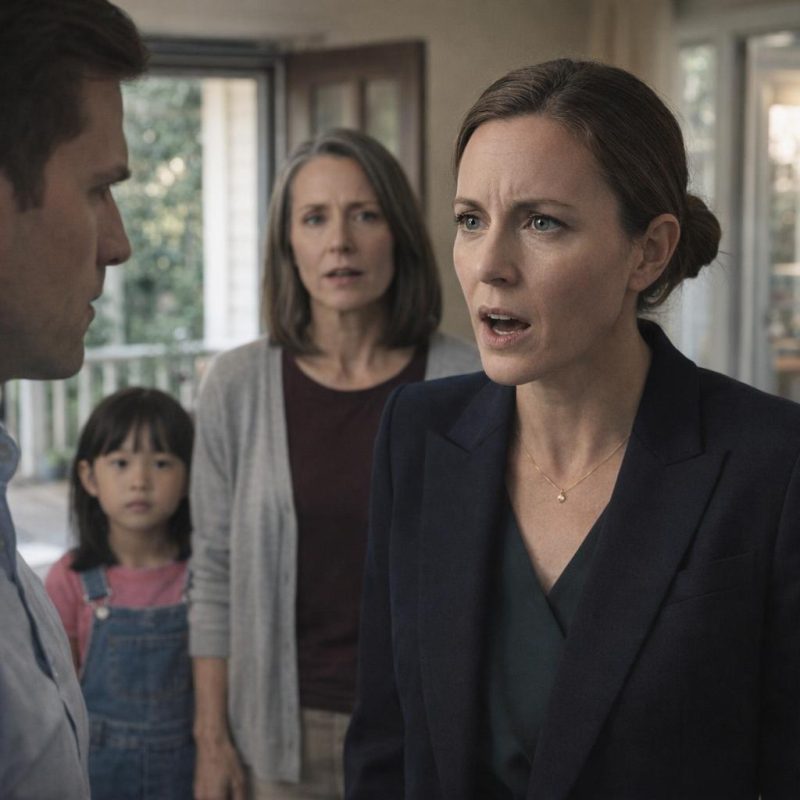 Image by RM AI
Defenses Crumble
The silence after that was the kind that has weight. Michael closed his mouth. He shifted Ben to his other hip and looked at the porch floor, and I could see the muscles in his jaw working. Jenna set the bag down slowly, like she needed something to do with her hands. Sophie had stopped trailing her fingers along the railing and was watching all of us with the careful attention of a child who knows something important is happening but hasn't been told what. I looked at my granddaughter and felt a pull of something protective and sad at the same time. I told Sophie that Grandma needed to talk to her mom and dad for a little while, and asked if she could take her brother inside and pick a show. She looked at me for a moment — that searching look she has, the one that sees more than she lets on — and then she took Ben's hand and led him through the door without argument. When the door clicked shut behind them, Michael looked up. Jenna pressed her lips together, and then her voice came out unsteady, smaller than I had ever heard it: she asked if they could please come inside. Her voice had gone thin and tight, the steadiness she usually carried stripped out of it entirely.
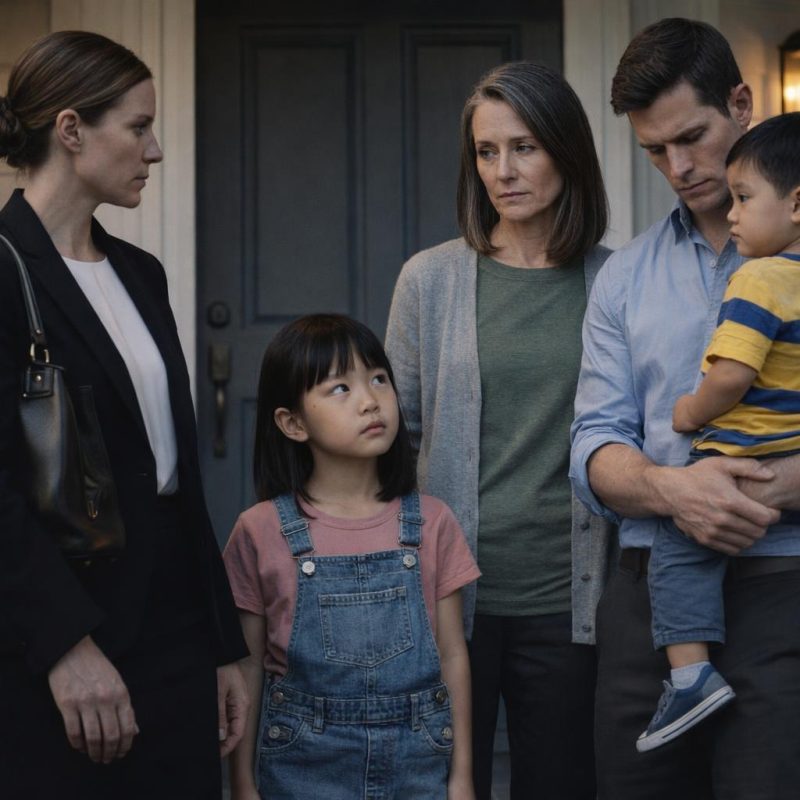 Image by RM AI
The Truth
We sat at my kitchen table — the same table where I had packed their diaper bags and signed their school forms and listened to every careful update about counseling progress. Michael had his hands flat on the surface in front of him. Jenna was looking at the window. Neither of them spoke for a long moment, and then Michael did. He said they hadn't been going to counseling. He said that part was true, that I already knew that part. What I didn't know, he said, was where they had actually been going. He looked at Jenna, and she gave a small nod, and he kept talking. They had joined a business program the previous spring — a wellness company, he called it, with a network sales structure. Every Saturday morning for nearly a year, they had been attending training sessions across town. They were building a downline, learning the products, working toward what the program called financial independence. Jenna said they believed in it. She said it quietly, like she was still trying to convince herself. Michael said they knew I would think it was a scheme, that I would worry, that I would ask questions they didn't want to answer. So they told me something they thought I would accept without question. He stopped talking. The word scheme sat in the air between us, and I realized he had said it himself before I had to.
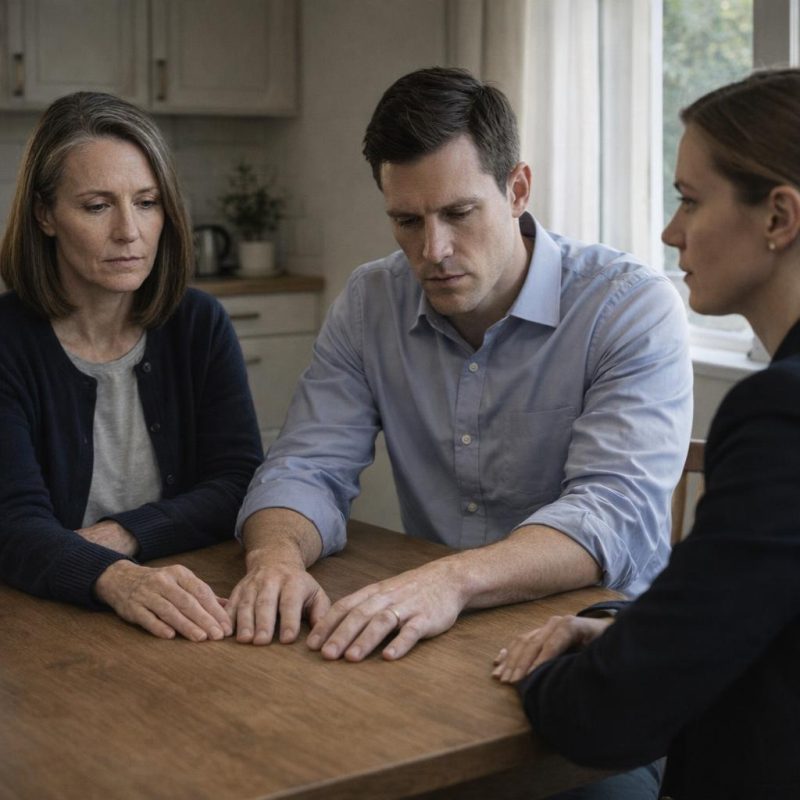 Image by RM AI
Processing Betrayal
They kept talking after that. Michael explained about the products — supplements, he said, and something for sleep. Jenna talked about the community they had found there, the other couples, the sense of working toward something together. Michael said the marriage had actually been struggling, that part was real, and the program had given them a shared goal when they needed one. He said they had planned to tell me once they were successful, once there was something to show for it. Jenna said she was sorry. She said it twice. I sat across from them and listened to all of it, and I understood, in the way you can understand something without it making any difference. I understood that they had been embarrassed. I understood that they had told themselves the lie was temporary, that it would resolve itself into a truth they could be proud of. I understood that they were not cruel people who had set out to use me. And none of that understanding touched the thing sitting in the center of my chest — the year I had given them, the forty-eight mornings, the gold stars on the calendar, the faith I had carried into every single Saturday without once being offered the truth in return. I understood their shame completely. Their choice to lie was something else entirely, and I had no place to put it.
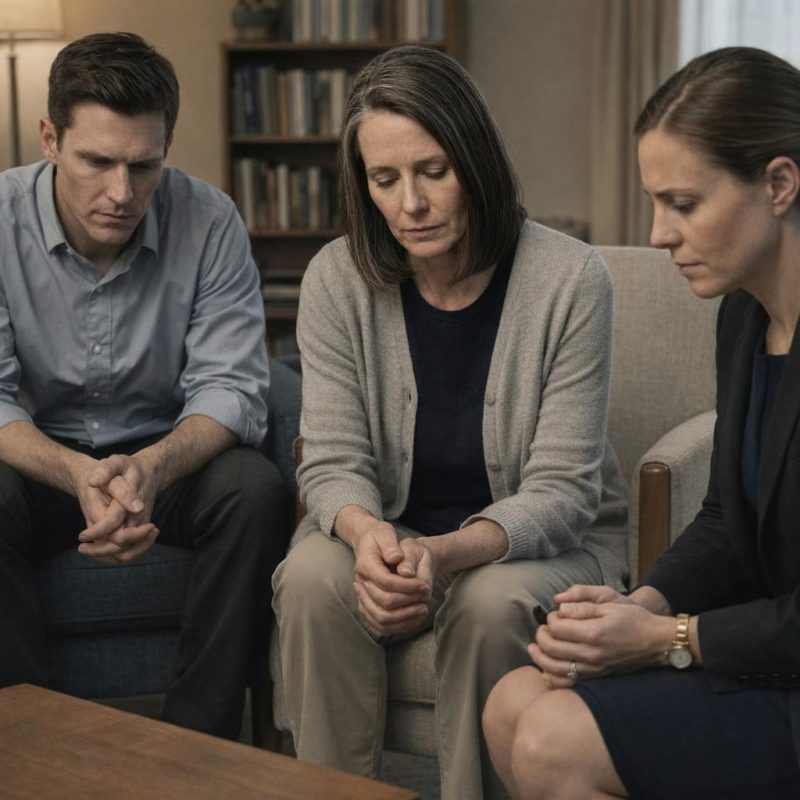 Image by RM AI
Setting Boundaries
I let the silence sit for a moment after they finished. Then I told them, as clearly and quietly as I could, that I would not be watching Sophie and Ben on Saturdays anymore. Not for now. Michael started to say something — an apology, I think, the beginning of one — and I held up my hand. I told him I had heard the apology. I told him what I needed was not words but time, and that trust was not something that could be handed back across a kitchen table. Jenna wiped her eyes. She didn't argue. Michael looked at the floor. I called Sophie in from the living room and crouched down and held her face in my hands for a moment, and I told her I loved her very much. Ben toddled over and I held him too, breathing in the smell of his hair. Then I stood up and I told Michael and Jenna they should take the children home. They gathered coats and bags in a quiet that felt different from any quiet I had known in that house. I walked them to the door. Michael looked back once. The door closed behind them with a soft, final click.
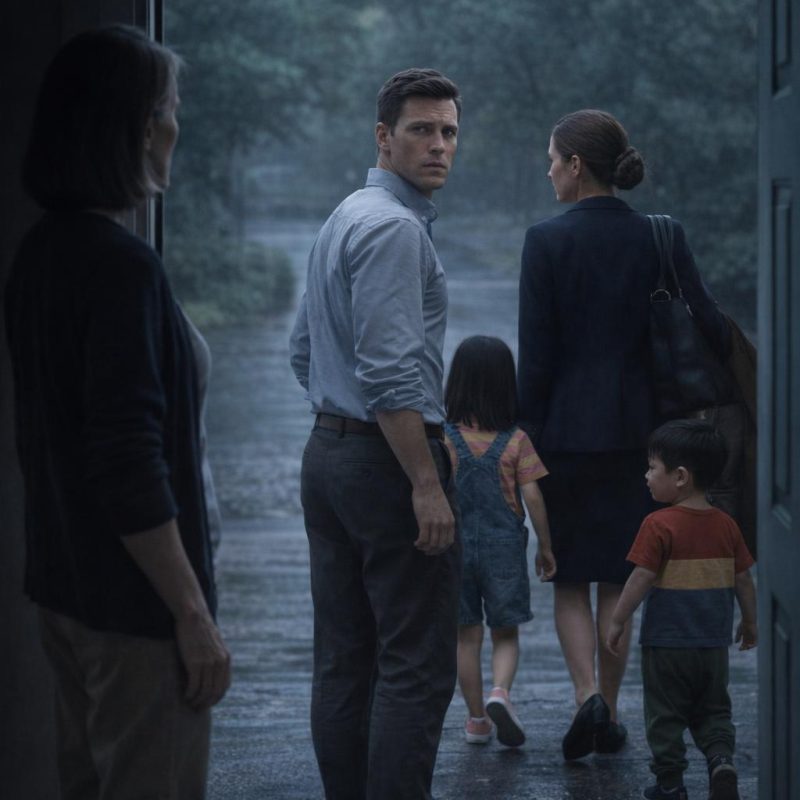 Image by RM AI
The Weeks After
The Saturdays that followed were the quietest I had known in over a year. No cartoons in the background, no small shoes left by the door, no gold stars to add to the calendar. I left the calendar up for a while, then took it down one afternoon without ceremony and put it in the recycling bin. Michael called every few days. At first the calls were careful, both of us feeling for solid ground. Then they became more honest. He told me they had decided to leave the MLM — that the income had never materialized the way they had been promised, and that the whole thing had begun to feel like something they needed to escape rather than build. He said it without excuses, which I noticed. Jenna sent a letter. Handwritten, two pages, and she did not minimize what they had done. I read it twice and set it on the kitchen counter and left it there for several days. I was not ready to respond, but I was not ready to put it away either. Some evenings I sat with my tea and thought about what rebuilding actually looked like — not the word, but the work of it, slow and uncertain and without any guarantee of where it ended.
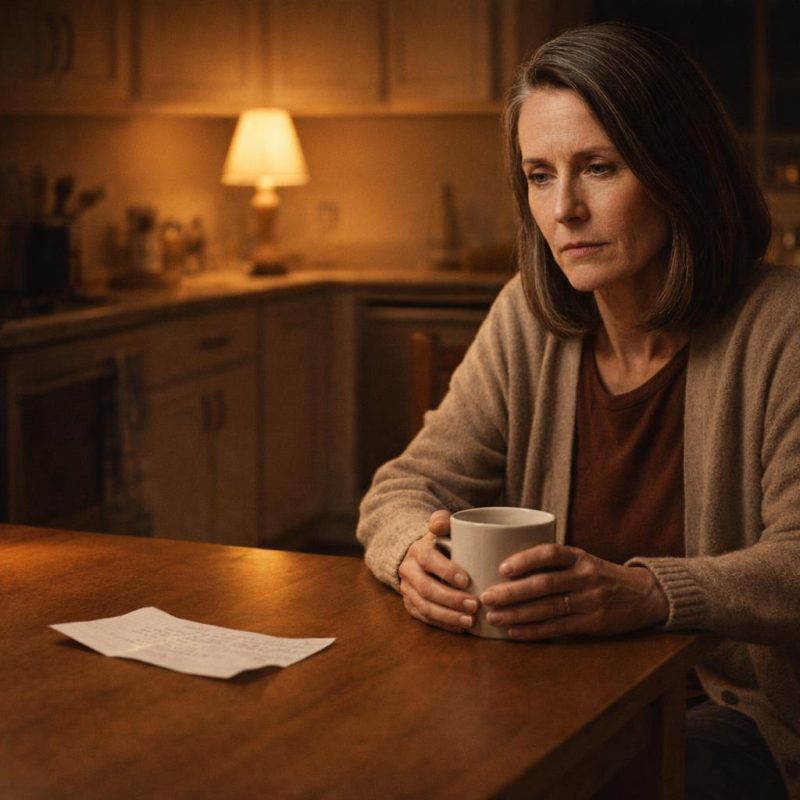 Image by RM AI
Understanding
I had a lot of time to think in those weeks, and I used most of it. I thought about Michael at thirty-five, still carrying the same need to appear capable that he had at fifteen. I thought about Jenna, who had always held herself so carefully, so unwilling to be seen struggling. I could see, when I sat with it long enough, how the two of them had walked into something that promised an answer and then found themselves too embarrassed to walk back out. Shame does that. It makes the lie feel safer than the truth, and then the lie grows, and then there is no clean moment to stop it. I understood all of that. I had understood it since the night they sat across from me in my kitchen. Understanding it did not make the year disappear. Forty-eight Saturdays. The faith I had carried into every one of them. I grieved that quietly, the way you grieve things that cannot be undone. And somewhere in the grieving, without my quite deciding to, I found I had arrived at something that was not forgiveness yet but was at least the beginning of a willingness to get there. It settled over me like the end of a long afternoon.
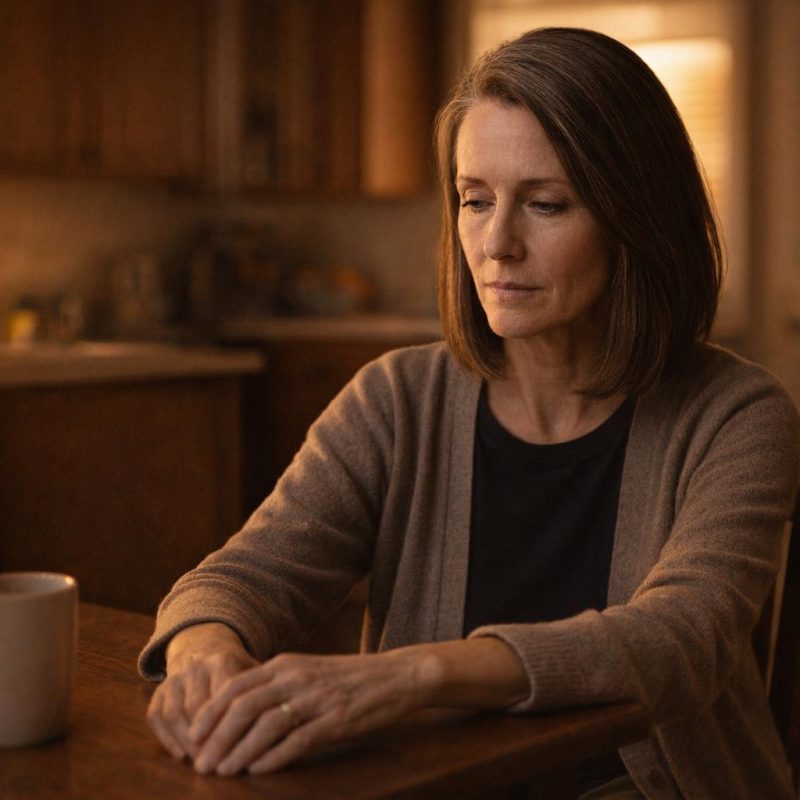 Image by RM AI
Moving Forward
I called Michael on a Thursday and told him I would like to have Sophie and Ben over that Saturday — just that Saturday, I said, not every week, not a standing arrangement. I wanted him to understand the difference. He said he did. He thanked me in a way that sounded like he meant it, and I believed him. Saturday morning arrived and so did they, Sophie talking before she was fully through the door, Ben clutching a small stuffed rabbit I hadn't seen before. I made pancakes. We sat at the kitchen table and Sophie told me about a book she was reading at school and Ben ate steadily and seriously, the way he always had. It felt ordinary in the best sense of the word — just a grandmother and her grandchildren on a Saturday morning, nothing owed, nothing hidden. When Michael and Jenna came to collect them that afternoon, Jenna met my eyes and held them for a moment, and I gave her a small nod. After they left I stood in the kitchen and looked at the wall where the calendar used to hang. The nail was still there, but the space around it was bare and clean, and I had no plans to fill it with stars.
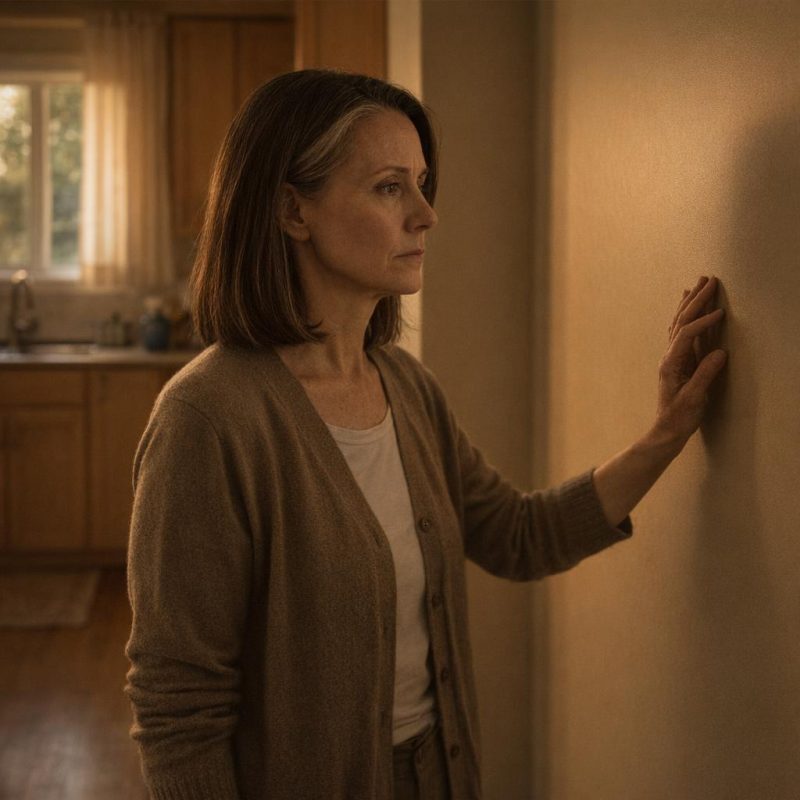 Image by RM AI